
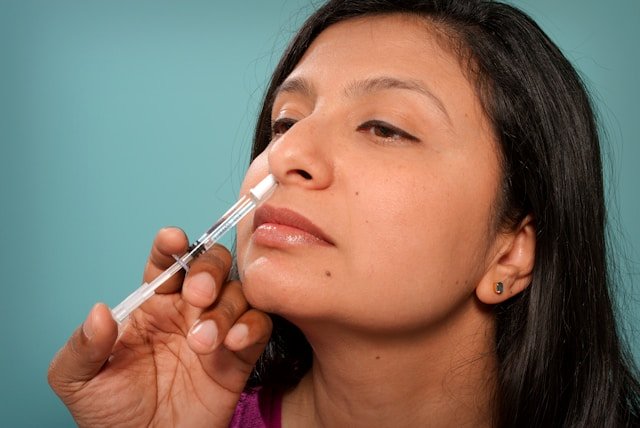
A person’s nose can greatly influence the overall appearance of their face, and even minor alterations can have a significant impact. This is why many individuals weigh the benefits of a surgical versus a non-surgical nose job before deciding. Both types of procedures can improve aesthetic balance, smooth out bumps, or create a more streamlined profile but differ substantially in their methods.
In Chicago, where a variety of cosmetic procedures are available, the real challenge lies in selecting not just a treatment, but the one that aligns with your specific concerns, desired outcomes, and timelines. Below are four essential distinctions to consider when making your choice.
1. Surgical Rhinoplasty Restructures, While Fillers Shape
The primary distinction lies in the potential changes each method can achieve. Surgical rhinoplasty involves altering the bones, cartilage, and soft tissues of the nose, allowing for significant modifications such as reducing bumps, narrowing sections, refining the tip, enhancing symmetry, and addressing internal structural issues that affect breathing. Conversely, a non-surgical nose job—often referred to as liquid rhinoplasty—utilizes dermal fillers to add volume in specific areas.
While the concepts may seem straightforward, the differences are significant. For instance, if there is a minor dip on the bridge, fillers can create a more uniform look. However, if the nose appears too large or twisted, or if there’s an obstruction in the airway, fillers cannot rectify the underlying issues.
When exploring options for a nose job in Chicago, it’s beneficial to start by identifying whether your concerns relate to shape, size, internal breathing issues, or a combination of these. Clinics such as Fulcrum Aesthetics often recommend surgical solutions for issues like a dorsal hump, wide nostrils, asymmetry, tip complications, or nasal obstruction due to structural problems. Each procedure is customized according to the unique facial features of the individual, which is an important consideration since changes to the nose typically don’t look right when approached in isolation.
2. Non-Surgical Procedures Yield Quick Results, However, They Are Temporary
One of the appealing aspects of non-surgical nose jobs is the immediacy of results. The absence of surgical incisions or the need for general anesthesia usually implies reduced downtime. This can be especially attractive for those with minor aesthetic concerns who wish to smooth out a slight bump or uplift the bridge without committing to surgery.
However, it’s important to acknowledge the time factor. Filler results are not permanent, as the body gradually metabolizes the filler, necessitating ongoing maintenance for those who wish to preserve their modified look. On the other hand, while surgical rhinoplasty requires a longer healing process, the resulting structural changes are designed to be enduring, representing a different level of commitment.
This is where individuals may feel conflicted. Instant results may seem more convenient, but they may not always align with the desired outcomes. If the intention is for a subtle profile adjustment ahead of an event, filler could be appropriate. Conversely, for goals such as shape reduction, tip refinement, or enhanced airflow, surgery is typically the more effective pathway.
3. Surgery Can Correct Breathing Issues, Whereas Fillers Only Alter Appearance
While non-surgical procedures may enhance visual aesthetics from certain perspectives, they cannot rectify internal obstructions. Fillers won’t straighten a deviated septum, fortify weak cartilage, or open constricted air passages. For those experiencing issues like snoring, one-sided breathing preferences, exercise-induced blockages, or past nasal injuries, this distinction is crucial.
Surgical rhinoplasty can serve both cosmetic and functional purposes. Often, exterior shape concerns coincide with internal support needs. For example, a crooked bridge may accompany a misaligned septum, while a drooping tip could impede airflow. Moreover, a nose appearing misaligned often correlates with breathing difficulties. Therefore, a thorough examination should encompass more than aesthetic considerations.
Research featured in PubMed highlights breathing difficulties as a valid concern that rhinoplasty can address, underscoring its multifaceted nature. If breathing issues motivate the desire for surgery, then the relevant question isn’t “Which option is faster?” but rather, “Which one effectively addresses the root cause?”
4. Distinct Risk Profiles Exist, Though Risks Are Not Eliminated
Non-surgical procedures do not equate to risk-free options. Although they eliminate the need for an operating room and surgical recovery, they introduce their own set of risks. Improperly placed fillers can lead to severe complications. The American Society of Plastic Surgeons (ASPS) has cautioned that liquid rhinoplasty involves a high-risk injection area, with potential issues such as skin damage or sight-related problems in rare circumstances.
On the flip side, surgical rhinoplasty carries its own risks, including swelling, infection, improper healing, sensation changes, adjustments to breathing, or the necessity for revisions. This option requires more organization, an extensive recovery period, and patience as swelling subsides. While many patients witness initial improvements within weeks, the final contours may take considerably longer to define.
This is also why the choice of provider is critical for both approaches. A beneficial consultation should not feel like pressure to pursue one option over the other. It should include a comprehensive examination, a discussion about what aspects can be realistically altered, and a transparent overview of recovery expectations. Current cosmetic trends often lead individuals to concentrate solely on outcome visuals; however, the safest decision frequently begins with an accurate diagnosis.
Conclusion
Both surgical and non-surgical nose jobs can enhance the appearance of the nose, yet these procedures are not interchangeable. Fillers can add shape and help with minor aesthetic adjustments, while surgery can modify the structure, decrease size, refine the tip, enhance symmetry, and may even improve airflow.
The optimal choice will vary depending on the individual’s concerns. For minor cosmetic issues, a non-surgical approach could be worth considering. However, if there are significant issues involving size, structure, injury, or breathing, then surgical rhinoplasty might be more appropriate. The most prudent initial step is engaging in a thorough assessment rather than rushing a decision based solely on downtime.

Add Your Comment Cancel reply