
Research by the American Dental Association in 2023 indicates that almost 50% of individuals over 30 exhibit signs of gum disease, yet many remain unaware until significant damage has been inflicted. This is alarming, especially considering the long timeline between the onset of mild symptoms and the development of serious complications, which can take months or even years. Early intervention could have entirely prevented tooth loss during this period.
The emphasis on preventive dentistry has underscored a vital period in which gum disease is still significantly treatable. In contrast to more serious periodontal issues that necessitate surgery, early-stage gum disease is amenable to non-invasive treatments if detected early. For the millions of Americans who maintain a regular dental hygiene routine, comprehending what symptoms to monitor—and the importance of timing—can be the deciding factor between needing straightforward procedures versus extensive reconstructive solutions later on.
The real challenge lies not only in recognition but also in distinguishing which symptoms require urgent care from normal variations in oral health. Below are the early warning signs and how their identification impacts treatment options.
The Importance of Early Detection of Gum Disease
Identifying gum disease early changes the course of treatment profoundly, affecting long-term oral health outcomes. Gingivitis, the initial stage of gum disease, is entirely reversible with proper treatment. Failing to address it allows progression to periodontitis, where the damage becomes irreversible.
During this progression, initial gum disease only affects the soft tissues surrounding your teeth, resulting in inflammation and bleeding while leaving deeper structures unharmed. As it progresses to periodontitis, however, bacteria begin to damage the ligaments and bone that support teeth. While advanced interventions can stop further damage, they cannot restore what has already been lost.
The implications for treatment are substantial. Addressing early-stage issues typically involves routine cleanings, enhanced home care, and possibly antimicrobial rinses—procedures that can be comfortably completed in a few appointments. Advanced cases may necessitate scaling and root planing (intensive cleaning below the gum line), potential surgery, and long-term maintenance that may last months or even years.
Consider an individual who occasionally notices bleeding while brushing but assumes it’s just a result of brushing too vigorously. Within six months, this bleeding could signify the formation of pockets around the teeth where bacteria can breed beyond the reach of regular dental care. By the time pain or noticeable swelling occurs, the infection might have advanced to a stage requiring far more extensive treatment.
The economic aspect only adds to this urgency. Costs for early treatment generally range from routine cleaning fees to slight additional procedures. In contrast, advanced treatment options can cost thousands due to scaling, surgery, and ongoing maintenance, not to mention the potential need for tooth replacement if the deterioration becomes too severe.
Perhaps most concerning is that gum disease can develop without significant pain. Unlike cavities that often manifest as sensitivity, periodontal issues may progress quietly until they reach a point where treatment becomes intricate and the results less certain.
Recognizing the Initial Signs and Symptoms of Gum Disease
The first signs of gum disease often appear as minor annoyances, which is why many cases remain undetected until they’ve advanced beyond an easily addressable point. Bleeding during brushing or flossing is the most prevalent early indicator, yet many individuals dismiss it as simply a result of using too much force or a new toothbrush.
But what does that bleeding truly signify? Healthy gums remain intact during normal brushing. When inflammation starts, the tissue becomes engorged and more sensitive. Even light pressure can induce bleeding because the gum tissue is responding to an active bacterial infection. If you observe blood on your toothbrush or in the sink during daily cleaning, that’s your gums indicating distress.
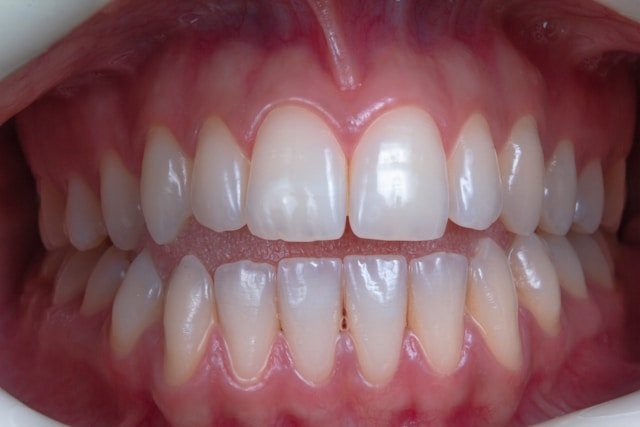
Changes in gum color and swelling are additional early warning signs to consider. Healthy gums appear pale pink and firm around the teeth. Inflamed gums may take on a darker red hue and might look swollen. The texture changes as well—rather than the firm tissue that hugs the teeth, inflamed gums feel softer and might separate slightly from the tooth surface.
Chronic bad breath or a persistent bad taste in your mouth that doesn’t improve with standard oral hygiene routines can indicate bacterial accumulation beneath the gum line. This differs from the occasional bad breath that arises after eating specific foods; it’s a consistent metallic or unpleasant taste that lingers despite proper dental care.
Increased sensitivity to temperature changes when consuming food or beverages may signal the onset of gum recession. As inflammation progresses, gums might start to recede from teeth, exposing previously hidden root surfaces and creating sensitivity that wasn’t experienced before.
Alterations in how your teeth come together upon biting is a more advanced early symptom. As gum disease advances, it can cause slight movements in tooth positioning. If you notice that your bite feels different or you sense that your teeth are shifting, it often means that the supporting structures have begun to deteriorate.
The crucial difference between transient irritation and early gum disease is persistence. Gums may bleed occasionally from vigorous brushing, but consistent bleeding over several days points to underlying inflammation. Likewise, while intermittent bad breath may occur, persistent bad breath that does not improve with normal hygiene practices markedly signals a potential issue.
Recognizing these symptoms is vital as they indicate the limited timeframe during which straightforward treatments can completely reverse the issue. Once these initial signs escalate to clear discomfort, visible recession, or loose teeth, the condition has progressed into a domain requiring more advanced interventions.
Causes of Gum Disease and Those at Risk
Plaque buildup is the primary driver behind almost all forms of gum disease. However, comprehending how this process unfolds explains why some individuals face challenges despite apparent good dental hygiene while others appear virtually cavity-free with minimal care. Plaque is not merely remnants of food; it’s a complex bacterial biofilm that continuously forms on teeth, especially along the gum line where effective brushing and flossing often miss microscopic spots.
Within a day, this bacterial layer begins to harden into tartar, which firmly adheres to tooth surfaces and can be removed only through professional cleaning. Tartar creates a rough surface conducive to further bacterial growth, resulting in a cycle where the infection becomes harder to address with home care alone. The bacteria also produce toxins that trigger the immune system’s inflammatory response, leading to the swelling, bleeding, and tissue breakdown that define gum disease.
Several factors notably accelerate this process. Smoking is one of the most significant risk factors since it constricts blood vessels in the gum tissue, impairing the immune system’s ability to combat infection. Smokers often develop more severe gum disease at a much quicker pace and respond less predictably to treatment.
Diabetes creates a reciprocal relationship with gum disease, complicating both conditions. High blood sugar levels promote bacterial growth in the mouth, while gum infections can interfere with blood sugar regulation. Individuals with diabetes are about twice as likely to develop periodontal issues, and these issues typically progress more quickly.
Hormonal fluctuations—due to pregnancy, menopause, or certain medical therapies—can temporarily heighten gum sensitivity and susceptibility to bleeding. While these hormones don’t directly instigate gum disease, they do heighten the gum tissue’s reactivity to existing bacterial irritation.
Genetic factors can significantly influence gum health, often underestimated by many. Some individuals may inherit immune system patterns that overreact to bacteria, leading to excessive destruction of tissues, while others might have inherited tooth alignment or jaw structure that makes thorough cleaning more difficult, resulting in areas where bacteria can accumulate despite best efforts.
Medications that reduce saliva production create an environment that favors bacterial growth. Saliva plays a crucial role in rinsing away food particles and bacterial waste while providing antibacterial properties. Medications such as antihistamines, medications for high blood pressure, and certain antidepressants can significantly lower saliva flow, raising infection risk.
Stress negatively impacts gum health through various mechanisms: it suppresses immune response, often results in neglecting oral care, and frequently heightens behaviors like teeth grinding that can damage the structures supporting teeth.
Many individuals remain surprisingly unaware that some can preserve excellent oral hygiene but still experience gum issues due to these underlying risk factors, while others with less-than-ideal dental care remain mostly unaffected. This explains why thorough periodontal care often includes addressing systemic factors along with the localized bacterial infection.
Available Treatments for Early Stages of Gum Disease
Non-Surgical Interventions
When gum disease is detected early, the treatment strategy centers on eradicating bacterial infection and restoring healthy tissue without surgical involvement. Professional scaling and root planing is regarded as the go-to method for early-stage treatment, allowing for deep cleaning below the gum line to eliminate bacterial buildup and smooth root surfaces where bacteria tend to collect.
This method stands apart from standard dental cleanings. While routine cleanings tackle plaque and tartar above the gum line, scaling and root planing penetrate into the pockets formed between teeth and gums, eradicating bacterial populations that at-home care can’t effectively address. The procedure usually requires local anesthesia and may be carried out across multiple appointments, depending on the severity of the infection.
Antimicrobial treatments often complement mechanical cleaning efforts to impede bacterial regrowth during the recovery phase. This can encompass prescription mouth rinses, antibiotic gels applied directly into infected areas, or brief courses of oral antibiotics in cases of a broader infection. The aim is not to rely on long-term antibiotics but rather to create a healing window where beneficial bacteria can reestablish a healthy balance.
Individuals seeking comprehensive periodontal dentistry services in Cary will typically find treatment plans that synergize professional interventions with improved home care strategies intended to sustain the gains made through clinical work.
Laser therapy has been introduced as an enhanced option for early treatment, utilizing focused light energy to lower bacterial levels and facilitate tissue healing. While it does not replace mechanical cleaning, laser treatment can improve results in instances where traditional methods alone haven’t achieved complete resolution.
The timeframe for the success of non-surgical treatments varies, yet many patients notice substantial improvements within 4-6 weeks, provided they maintain consistent home care in tandem with professional treatments. Bleeding generally subsides within the first couple of weeks, while improvements in tissue firmness and color continue to evolve over several months.
When Surgical Intervention Is Needed
If early intervention does not lead to complete healing, or if the disease has advanced beyond the capabilities of non-surgical approaches, periodontal surgery may become essential for addressing areas of infection that standard cleaning cannot effectively clean.
Flap surgery consists of temporarily elevating gum tissue to allow for thorough cleaning of tooth root surfaces and surrounding bone, followed by repositioning the tissue for optimal recovery. This approach is most effective when pockets around teeth have become too deep for scaling and root planing to adequately address.
Regenerative treatments are aimed at restoring some of the bone and tissue lost due to infection, using materials that encourage the body’s natural healing processes to rebuild the supporting structures around teeth. Although these techniques cannot regain everything that has been lost, they can substantially enhance long-term stability in many cases.
A critical takeaway for patients confronting early-stage gum disease is that immediate, thorough non-surgical treatment can often preempt the necessity for surgical procedures altogether. Most cases detected at the gingivitis stage can be completely managed through professional cleaning and improved home care, making surgery unnecessary.
Maintaining Gum Health Post-Treatment to Prevent Recurrence
Effectively treating early gum disease marks only the beginning of a long-term commitment to periodontal health—the habits established in the months following treatment largely dictate whether improvements will cement or the infection may return, often more aggressively.
Enhanced home care protocols extend beyond conventional brushing and flossing advice. Many people must refine their techniques rather than merely increase their frequency of care. Electric toothbrushes equipped with pressure sensors assist in ensuring effective cleaning while mitigating the risk of aggressive brushing that might harm healing tissues. Water flossers can access areas where traditional floss might struggle, especially around dental work or where pocket depths have been lessened but not entirely eliminated.
Timing of home care also plays a critical role, more than many recognize. Bacteria can recolonize cleaned surfaces within hours, emphasizing that consistency is more important than intensity. Two thorough cleaning sessions per day are more effective than one aggressive session, particularly during the initial three months when tissue is still recovering and more vulnerable to reinfection.
Professional maintenance scheduling usually becomes more frequent following treatment, with cleanings recommended every three to four months, in contrast to the typical six-month interval. This shift is not permanent—many patients can resume routine scheduling once their tissue has thoroughly healed and exhibited stability. However, those with risk factors, such as diabetes or a history of smoking, may require ongoing close monitoring to avert recurrence.
Lifestyle adjustments frequently play a more significant role in long-term success than any single treatment aspect. Quitting smoking yields the most considerable improvement in healing and long-term outcomes. Managing stress, controlling blood sugar for diabetics, and addressing medications that reduce saliva production collectively foster an environment conducive to healthy tissue.
It’s essential to understand that gum disease is a chronic condition requiring management rather than outright cure. Even successful treatment does not alter the underlying factors that initially heightened susceptibility. However, with proper ongoing care, the majority of patients can maintain the enhancements achieved through early intervention and prevent pathways to advanced periodontal disease, which threatens tooth retention.
The distinction between prolonged success and recurrence often lies in recognizing that maintaining gum health necessitates continuous attention to both the bacterial infection and the personal factors that contributed to its onset. Investing in enhanced care following treatment generally avoids the need for more intensive interventions down the line, making this approach both the most comfortable and cost-effective for sustained oral health.


Add Your Comment Cancel reply