
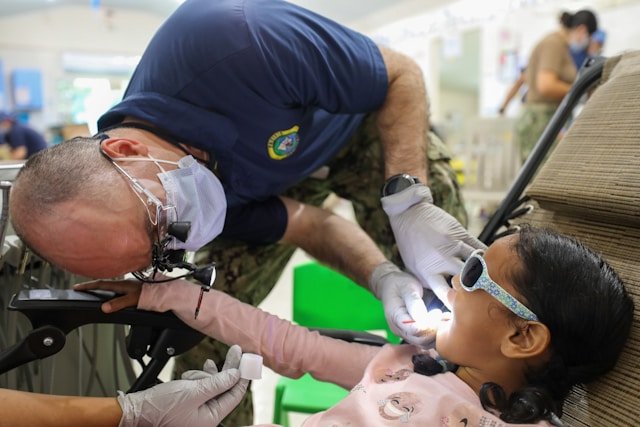
The latest surveillance statistics from the American Dental Association reveal that close to 42% of children between the ages of 2 and 11 encounter cavities in their baby teeth. Most of this tooth decay occurs in areas that could be safeguarded with timely and effective preventive care. As there is a notable shift towards a prevention-first philosophy in pediatric dentistry, families in Salem County are at a pivotal moment where appropriate dental measures taken during their children’s formative years can avert significant oral health issues later on. Beyond just cavities, failure to address early dental problems can lead to complications such as speech delays, nutritional challenges, and persistent pain, all of which can hinder a child’s learning and development.
For parents navigating this landscape, differentiating between reactive dental care and proactive prevention can be challenging. Being aware of how pediatric dentists implement comprehensive preventive strategies—and knowing when to initiate them—can significantly affect your child’s immediate comfort and their overall relationship with oral health as they grow.
The Importance of Preventive Care for Children’s Oral Health
Children’s dental structures undergo rapid changes during their early years, creating specific vulnerabilities absent in adult dentistry. For instance, when permanent molars first appear around age six, their deep fissures are often unreachable with standard adult toothbrushes. Such anatomical features put even those children with good brushing habits at risk of decay, emphasizing the necessity of preventive care before issues arise.
The timing of preventive measures is critical. Primary teeth not only serve as placeholders for permanent teeth but also aid in ensuring their correct positioning and spacing. When decay leads to the premature loss of baby teeth, it can result in space loss which later necessitates extensive orthodontic intervention. Data from the CDC indicates that children who lose their primary teeth early are disproportionately likely to require complex orthodontic work during their teenage years.
Moreover, preventive care tackles broader health implications emerging during childhood. The bacteria that cause tooth decay can impact overall immune function, especially in young children whose immune systems are still maturing. Streptococcus mutans, a primary player in cavity development, begins to colonize the mouth typically between 19 and 31 months. Implementing preventive measures during this key developmental window can have long-lasting implications for a child’s cavity risk.
In addition to individual tooth protection, preventive pediatric dental care fosters enduring behavioral patterns into adulthood. Children who experience positive, comfortable dental visits at a young age are more likely to cultivate confidence in maintaining their oral health throughout their lives. This psychological foundation often outstrips the benefits of any singular treatment, promoting a culture of proactive care instead of reactive interventions.
Child-Friendly, Comprehensive Care from Pediatric Dentists
Specialized Training and Qualifications
Pediatric dentists undergo the same four-year dental training as general dentists before pursuing an additional two to three years of specialized residency dedicated to children’s dental growth, behavioral management, and treatment methodologies. This directed training encompasses child psychology, developmental milestones, and techniques for managing young patients, including those with special health care needs.
Their residency also includes proficient handling of conscious sedation, trauma care, and interceptive orthodontics tailored to developing teeth. In contrast to general dentists, who see children occasionally, pediatric dentists work exclusively with young patients, honing skills for effective communication across various developmental stages. They are adept at spotting early indicators of potential issues that general practitioners might not detect until later, enabling true preventive action instead of merely addressing existing problems.
This specialized training encompasses the understanding of how medications impact growing bodies differently and ensures proper dosing for varying developmental ages. The American Board of Pediatric Dentistry provides board certification, which mandates continuing education to maintain advanced competencies in pediatric dental care.
Crafting a Child-Centered Dental Experience
Pediatric dental clinics are designed with children’s psychological comfort at the forefront. Beyond vibrant waiting areas, the treatment philosophy employs tell-show-do methods to help children grasp ongoing procedures before they happen. Equipment is appropriately sized for children’s mouths, and treatment chairs often come equipped with entertainment systems or ceiling displays to distract from the procedures.
The communication technique varies significantly from that of adult dentistry. Pediatric dentists utilize age-appropriate language to avoid inciting anxiety. Instead of referring to “shots,” they may use terms like “sleepy juice.” Instead of “drill,” they may explain that “Mr. Bumpy” cleans cavities. This communicative approach, paired with staff trained in child development, fosters an environment where gentle dental care for children is the norm rather than an exception.
Behavioral management techniques can include positive reinforcement and distraction, with protective stabilization used only as necessary for safety. The goal is to accomplish essential dental care while keeping the child’s trust and comfort in the dental setting intact. Additionally, many pediatric practices invite parents into their children’s dental process, acknowledging that family dynamics influence a child’s dental experience and future oral health habits.
Preventive Treatments and Practices by Pediatric Dentists
Dental sealants are among the most effective preventive services for children. Applied to the chewing surfaces of permanent molars, these thin plastic coverings form a barrier that thwarts bacteria from penetrating deep grooves where cavities typically form. The application is painless and requires no drilling or numbing: the tooth is cleaned, treated with a mild acid, and the sealant is applied and set with a special light. With proper care, sealants can provide protection against cavities for up to ten years.
Fluoride treatments go beyond the fluoride found in toothpaste or drinking water. Professional fluoride applications deliver higher concentrations directly to the teeth, enhancing enamel strength and increasing its resistance to the acids produced by bacteria. These treatments are particularly beneficial for children at an elevated risk for cavities due to lifestyle factors like frequent snacking or certain medical conditions that hinder thorough cleaning.
Early orthodontic assessments, which are usually suggested by age seven, enable pediatric dentists to spot potential alignment or bite issues while it’s still possible to implement interceptive measures. Simple interventions during the mixed dentition phase—when both baby and permanent teeth are present—can often stave off the need for extensive orthodontic work later. This may include space maintainers for prematurely lost primary teeth, or palatal expanders for premature crowding before all permanent teeth are in.
Custom mouthguards are crucial for children participating in sports. Custom-fitted guards designed by pediatric dentists offer far better protection compared to standard options, accommodating their changing dentition and ensuring comfort for regular use. Investing in a quality mouthguard often prevents injuries that could entail lengthy restorative treatments.
Regular professional cleanings are vital to remove plaque and tartar that brushing alone can’t manage, especially as children refine their manual dexterity. These appointments are also prime opportunities to reinforce brushing and flossing techniques as children’s skills and teeth change.
Addressing Dental Anxiety and Fostering Healthy Habits in Children
Children’s anxiety regarding dental visits largely arises from the unfamiliar rather than actual discomfort. Pediatric dentists mitigate this by employing a systematic desensitization process, beginning with straightforward examination visits that allow children to acclimate to the office, sounds, and staff before any treatment is required. This foundational approach prevents anxiety from arising rather than attempting to control it after it’s developed.
Nitrous oxide, or laughing gas, serves as an effective tool for easing anxiety in children who require extra comfort during procedures. Unlike full sedation, nitrous oxide permits children to remain alert and responsive while alleviating anxiety and discomfort. It is mixed with oxygen and delivered via a small nasal mask, taking effect quickly and exiting the system completely once the mask is removed. Children can resume normal activities promptly after treatment.
Parents play a vital role in preventing dental anxiety through their attitude and language concerning dental visits. Children often sense parental anxiety; thus, caregivers who maintain a positive and factual demeanor towards dental care help their children approach these experiences with confidence. Using phrases like “it will be fine” instead of “it won’t hurt” can inadvertently precondition children to expect pain while focusing on the positive aspects of maintaining dental health nurtures healthier associations.
Establishing consistent oral hygiene practices necessitates an understanding of developmental skills by age. Parents of toddlers assist mainly in cleaning, while those with preschoolers can oversee independent brushing. School-age children typically possess the fine motor skills needed for effective flossing. Pediatric dentists guide parents with realistic expectations for each stage of development, furnishing techniques to make daily oral care engaging rather than burdensome.
Motivational strategies, such as sticker charts, special toothbrushes featuring beloved characters, or incentives for consistent habits, can help children cultivate intrinsic motivation for oral care. The focus should be on celebrating the effort put into dental care rather than just the results to instill a sense of pride in taking care of their teeth.
Recommended Frequency for Pediatric Dental Visits
The American Academy of Pediatric Dentistry advises that children have their first dental visit within six months following the emergence of their first tooth, or by their first birthday—whichever comes first. This initial visit, surprising to many parents, lays the groundwork for lifelong preventive discussions while teeth and oral hygiene habits are still developing. These early encounters primarily emphasize parent education and gentle familiarization for children rather than extensive treatment.
Following the initial consultation, most children benefit from check-ups every six months. However, some may require more frequent appointments based on individual cavity risks, oral hygiene diligence, or developmental considerations. For children at higher risk—due to factors such as frequent snacking, medications, or developmental challenges—quarterly appointments might be necessary to maintain optimal oral health through enhanced preventive care.
This timing is especially crucial during significant dental changes. Ages six to twelve, when children transition from losing primary teeth to establishing permanent ones, call for vigilant monitoring to ensure correct eruption patterns and allow for early corrective measures if spacing or alignment issues surface. During these mixed dentition years, what may appear to be minor concerns can often be resolved with simple interventions, thus circumventing more extensive treatment later.
Regular visits also reinforce proper oral hygiene techniques tailored to the evolving abilities of children. What works for a toddler is vastly different from what’s appropriate for a ten-year-old. Ongoing professional guidance equips families to adjust their home care strategies to align with their child’s growing capabilities while ensuring lasting effectiveness.
For busy families in Pennsville and nearby Salem County, establishing a predictable schedule with a pediatric dentist creates a structured approach that benefits both parents and children. Instead of waiting for dental problems to surface, routine preventive visits allow families to tackle smaller issues before they necessitate more serious intervention—ultimately conserving time, alleviating discomfort, and reducing costs while ensuring children’s smiles remain healthy throughout their developmental years.


Add Your Comment Cancel reply