
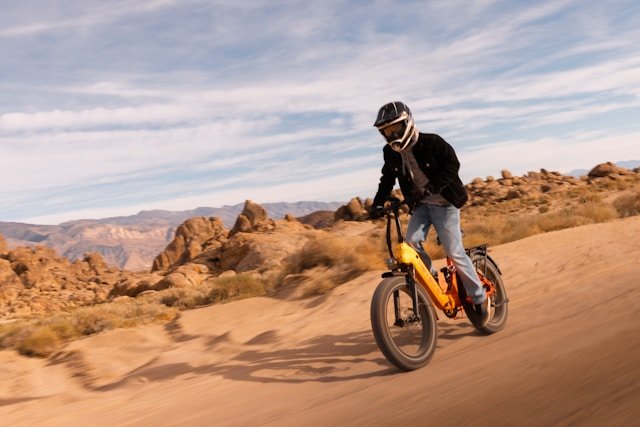
With ongoing advancements in technology, the electric bicycle (e-bike) sector is experiencing remarkable changes that enhance efficiency, usability, and accessibility for riders.
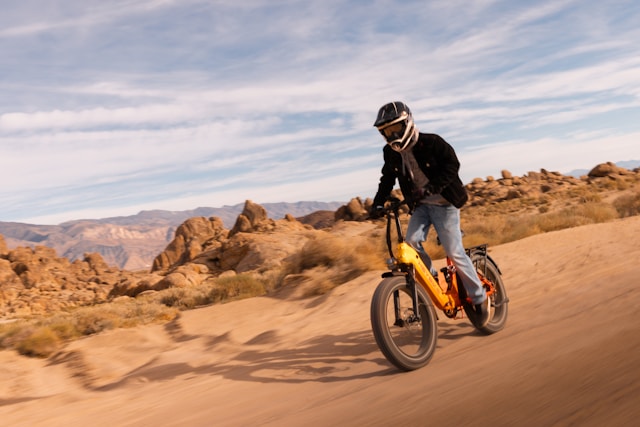
Technological progress is fundamentally altering the e-bike market through numerous innovations. Developments in motor and battery technology, as well as the incorporation of intelligent features and connectivity, are enriching the overall cycling experience.
This article delves into six remarkable ways that innovation is reconfiguring the e-bike landscape.
- Smart Features and Connectivity
The incorporation of smart technology and connectivity is a notable aspect of how technology is transforming the e-bike sector. Contemporary e-bikes are outfitted with various smart functionalities that elevate the riding experience. For instance, GPS tracking enables riders to navigate seamlessly and monitor their journeys, while smartphone connectivity allows them to manage their e-bikes and obtain key information via dedicated applications. Bluetooth technology amplifies connectivity, enabling e-bikes to synchronize with other devices for enhanced features.
These intelligent features provide various advantages for e-bike users. Navigation tools simplify the exploration of new paths and the identification of optimal routes, while security enhancements like GPS tracking assist in recovering stolen bikes. Moreover, smartphone integration offers real-time analytics on speed, distance covered, battery lifespan, and more.
- Advancements in Motor Technology
A significant technological development within the e-bike realm is the introduction of more powerful and efficient motors. The ongoing discussion surrounding mid-drive versus hub motors is critical to understanding these enhancements. Mid-drive motors, positioned at the bike’s crankset, offer distinct benefits like improved weight distribution, superior hill-climbing ability, and a more natural cycling experience as they utilize the bike’s gears to deliver power, thereby enhancing efficiency and torque.
Conversely, hub motors are located within the wheel hubs, either at the front or back, and are more prevalent in e-bikes due to their straightforward design and affordability. These motors directly drive the wheel, making them advantageous for flat terrains and urban settings. The decision between mid-drive and hub motors hinges on the individual’s preferences and needs. Both motor types are evolving to become even more efficient, quieter, and reliable, thereby improving ride performance and quality.
- Battery Technology Enhancements
Battery technology represents another realm of significant change impacting the e-bike industry. Present-day e-bikes utilize batteries that are increasingly efficient, long-lasting, and quick to recharge. Lithium-ion batteries currently dominate the market due to their high energy density and longevity. Meanwhile, emerging battery technologies, such as solid-state batteries, promise to deliver even more impressive advancements soon. These innovations lead to lighter batteries with enhanced capacities, enabling riders to cover greater distances on a single charge.
The ramifications of improved battery technology go beyond ride distance. Quicker charging means cyclists can rapidly replenish battery life and return to the road with minimal downtime, benefiting those who depend on their e-bikes for daily commuting. Moreover, enhanced battery management systems contribute to user safety by mitigating risks like overheating and overcharging. As battery advancements persist, e-bikes are becoming more convenient and dependable for diverse users.
- Lightweight Design and Advanced Materials
The application of advanced materials and lightweight design is revolutionizing the e-bike market. Manufacturers increasingly incorporate materials like carbon fiber and specialized aluminum alloys, producing e-bikes that are both robust and lightweight. Notably, carbon fiber is valued for its excellent strength-to-weight ratio, making it an ideal choice for e-bike frames. Using this material results in durable yet lightweight bicycles that are easier to maneuver and more efficient to ride.
Lightweight constructions enhance overall performance and rider satisfaction. E-bikes crafted from such advanced materials are easier to pedal when the motor is inactive and improve battery efficiency since less energy is required to move a lighter bicycle. Additionally, these materials provide superior shock absorption and durability, enhancing both comfort during rides and the bike’s lifespan. As innovation progresses, we can anticipate even more novel uses of materials aimed at further reducing weight and bolstering the structural integrity of e-bikes.
- Enhanced Safety Features
Safety remains a crucial concern for e-bike riders, and technological advancements are greatly improving safety features. Contemporary e-bikes often feature integrated lighting systems that bolster visibility during nighttime rides or in low-light situations. High-performance LED lights are frequently installed on both the front and rear of the bike, ensuring that riders are both visible and can see well. Many of these lights are connected to smart systems that adjust brightness according to surrounding light conditions.
Beyond lighting, upgraded braking systems are becoming commonplace on numerous e-bikes. Hydraulic disc brakes, for instance, provide enhanced stopping power and dependability compared to traditional mechanical brakes. Some models also incorporate regenerative braking systems that recharge the battery while decelerating, adding an extra layer of efficiency. Features like stability control and anti-lock braking systems (ABS) are being integrated to further ensure rider safety. These advancements greatly enhance the overall riding experience, giving cyclists increased confidence across varied riding environments.
- Personalization and Customization
Customization and personalization options are becoming more prevalent within the e-bike sector, providing riders with the ability to tailor their bicycles to their specific preferences. Many manufacturers now present various customizable options, including adjustable power settings, ergonomic designs, and aesthetic choices like colors and finishes. Riders can select components, including seats, handlebars, and pedals, to enhance their comfort and performance.
Customization extends beyond physical components as e-bikes also offer software options allowing users to modify power output, pedal-assist levels, and riding modes via mobile applications. These apps can support multiple user profiles, making it easy for various family members to share the same e-bike with individualized settings tailored to their preferences.
Conclusion
From advancements in motors and batteries to the integration of smart technologies and the adoption of high-grade materials, these innovations are driving e-bikes to be more efficient, reliable, and user-friendly. Enhanced safety features along with the rising trend of customization further increase the appeal of e-bikes, offering riders a personalized and secure riding experience. The six trends highlighted herein illustrate the ongoing evolution and vast potential of electric bicycles in the modern world.



Add Your Comment Cancel reply