
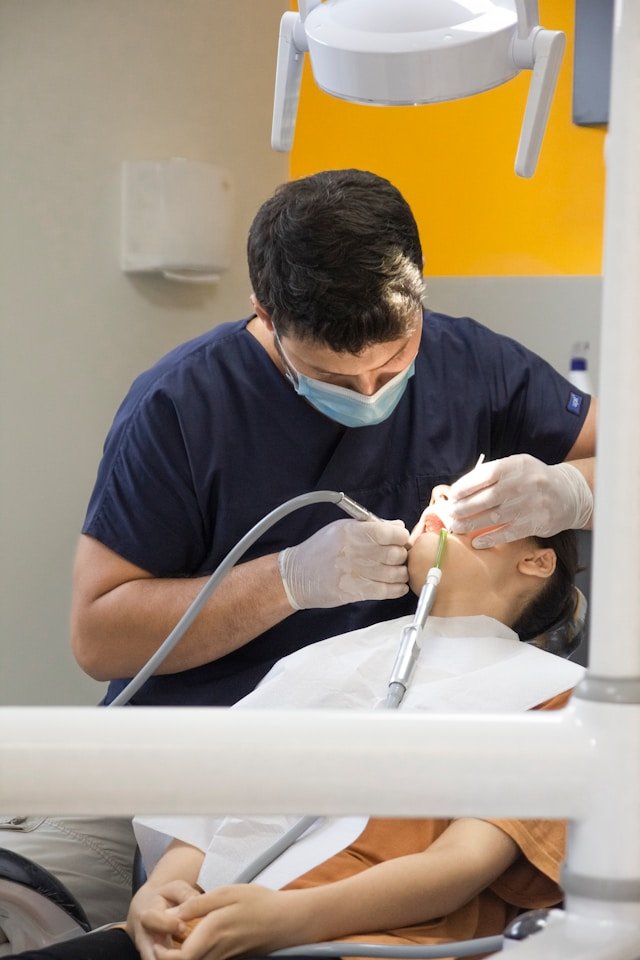
The 2023 surveillance data from the Centers for Disease Control and Prevention indicates that tooth decay affects over 40% of children between the ages of 2 and 11, ranking it as one of the most prevalent chronic health issues among children. Despite it being completely preventable, cavities continue to afflict pediatric patients at alarming levels, often resulting in pain, infections, and expensive emergency procedures that could have been sidestepped altogether.
The timing is particularly alarming — permanent molars start emerging around age six, and without effective preventive care in these formative years, children could establish decay patterns that follow them into adulthood. The distinction between proactive prevention and reactive intervention often hinges on the specialized care provided by pediatric dentists, who cater not only to clinical oral health but also to the unique behavioral and developmental needs of young patients.
For families residing in Morgan Hill and nearby regions, gaining insight into how pediatric dentists tackle cavity prevention can significantly enhance a child’s oral health journey. Prevention strategies go beyond simple cleanings; they include advanced protective treatments and behavioral strategies aimed at cultivating enduring healthy habits.
Strategies for Early Cavity Prevention by Pediatric Dentists
Pediatric dentists implement a comprehensive strategy for cavity prevention that commences with the arrival of a child’s first tooth. One of the most potent interventions is the application of fluoride varnish, which forms a protective layer that strengthens tooth enamel and enhances its resistance against acid produced by bacteria that cause cavities. Unlike toothpaste fluoride, this professional treatment provides concentrated protection, potentially reducing the risk of cavities in primary teeth by as much as 43%.
Dental sealants are another fundamental aspect of pediatric cavity prevention, especially crucial for permanent molars. These thin plastic layers cover the chewing surfaces of back teeth, effectively sealing off the deep grooves and pits where food particles and bacteria frequently accumulate. For instance, a seven-year-old with newly erupted permanent molars is at high risk; diligent brushing alone cannot adequately clean the microscopic crevices in these teeth. Sealants effectively eliminate this risk.
The timing of these interventions is critical. Pediatric dentists generally apply sealants shortly after molars erupt, while the tooth surface is still untouched by decay. This opportunity window—typically between ages six to eight for first molars and eleven to fourteen for second molars—represents a vital phase where preventive measures can offer years of protection.
In addition to these direct treatments, pediatric dentists focus on protocols for strengthening enamel, which may involve prescribing fluoride supplements for children in areas with low fluoride levels in the water, or recommending specialized toothpaste to high-risk patients. These measures are tailored according to individual risk factors, ranging from a family history of cavities to dietary habits and oral hygiene capabilities. The aim is to create multiple protective layers that work together to thwart decay before it takes hold.
Optimal Oral Hygiene and Nutrition Guidelines for Children
Effective Daily Oral Hygiene
Establishing an age-appropriate oral hygiene routine requires an understanding of the developmental stages that affect children’s capabilities. For toddlers aged two to three, parents should manage all brushing with a rice-grain-sized dollop of fluoride toothpaste, using gentle circular motions to cover all tooth surfaces. A common oversight for many families is that manual dexterity develops sufficiently for independent brushing only around ages six or seven.
From ages four to six, children can start to play a more active role in their oral care, although parents should supervise and finish the process. This stage is crucial for honing motor skills and establishing effective routines. Using electric toothbrushes designed for young children can enhance effectiveness during this time, as they make brushing more engaging and accommodate developing coordination.
Once children are of school age, they can generally take on primary responsibility for brushing, but parents should continue to monitor their technique to ensure thoroughness. Flossing usually requires assistance until around ages ten or eleven, when fine motor skills become developed enough for independent use. The progression is about more than just age; it is a reflection of individual growth and the gradual transfer of responsibility while ensuring effectiveness.
Nutritional Impact on Children’s Dental Health
The timing of meals significantly influences cavity prevention more than many parents recognize. Continuous snacking leads to repeated acid attacks on tooth enamel, as cavity-causing bacteria thrive on sugars and starches daily. Children who consume three substantial meals and two planned snacks have fewer acid episodes compared to those who graze throughout the day, even with identical total sugar consumption.
The stickiness of foods is another crucial factor in assessing cavity risk. Candies that stick, dried fruits, and certain crackers cling to teeth, extending sugar exposure that can overwhelm the protective effects of saliva. In contrast, foods with high water content, like fresh fruits, are less risky, despite containing natural sugars.
The timing of sugary treats can also undermine their cavity risk potential. Consuming desserts right after meals promotes increased saliva production, which neutralizes acids and aids in food particle removal. Conversely, the same treat consumed as a standalone snack hours later lacks this natural protective advantage, making it far more detrimental to dental health.
Managing Behavior and Anxiety in Children
Reducing Dental Anxiety
Pediatric dentists recognize that effectively managing fear is critical to successful prevention. When children associate dental visits with anxiety, they are more likely to evade preventive care, skip appointments, and develop poor hygiene at home. Effective anxiety management starts before the child enters the treatment room; dental environments should be inviting instead of clinical.
Tell-show-do techniques are fundamental in pediatric behavioral management. Dentists use age-appropriate language to explain procedures, demonstrate techniques on models or stuffed animals, and then conduct the actual treatment. This methodical approach allows children to gradually process new experiences, building confidence instead of facing abrupt surprises.
Communication approaches adapt to different developmental levels. Preschoolers often respond well to imaginative stories—cavities become “sugar bugs” to evict, or dental tools are framed as “tooth superheroes.” On the other hand, school-aged children tend to respond better to factual explanations that clarify the reasoning behind each procedure, which fosters cooperation through understanding rather than mere distraction.
Promoting Positive Dental Experiences
Designing dental environments serves more than an aesthetic purpose in pediatric dentistry. Bright colors, child-sized tools, and interactive elements all contribute to normalizing the dental experience while alleviating intimidation. Many practices now utilize technologies like ceiling-mounted TVs or virtual reality headsets to provide enjoyable distractions during longer appointments.
Reward systems help reinforce positive behavior but should be calibrated to prevent creating reliance on rewards. Successful programs highlight effort rather than perfection—such as applauding a child for remaining still during an examination instead of exclusively praising perfect teeth. This encourages continued participation, independent of clinical results.
The objective extends beyond managing singular visits to fostering lasting positive associations with dental care. Children who perceive dental check-ups as routine, manageable experiences are more likely to adhere to regular care into adulthood, making prevention a long-term strategy rather than a temporary fix.
Early Detection and Intervention of Dental Problems
Pediatric dentists are specially trained to identify subtle early indicators of dental issues that might be missed during standard pediatric evaluations. White spot lesions—areas where enamel is beginning to demineralize but has not yet formed cavities—represent crucial moments for intervention. Early detection allows for enhanced fluoride therapy and improved oral hygiene practices to reverse these lesions, often negating the need for fillings.
Malocclusion assessments conducted during routine visits enable timely orthodontic interventions that can avert future cavity challenges. Teeth crowded or misaligned may create cleaning difficulties, notably in food accumulation areas that toothbrush bristles cannot effectively reach. Addressing spacing issues early is often more conservative and cost-effective than dealing with resultant decay later on.
Advancements in digital imaging have significantly improved the early detection capabilities in pediatric dentistry. Intraoral cameras magnify and illuminate tooth surfaces, revealing decay at its initial stages, displayed as subtle color shifts instead of noticeable holes. This enhanced clarity allows dentists to monitor suspect areas over time, stepping in precisely when treatment is most effective and minimally invasive.
The risk assessment method employed by pediatric dentists evaluates multiple factors beyond just visual decay. Factors such as family history, eating patterns, and oral hygiene methods can all affect cavity risk. Children identified as high-risk may receive more intensive preventive measures, including more frequent cleanings, additional fluoride treatments, and tailored home care guidelines. Collaborating with a local pediatric dentist ensures that these comprehensive risk evaluations consider regional dynamics, such as community water fluoride levels and health patterns that might shape prevention tactics.
Salivary analysis is a promising new tool measuring bacteria levels and pH in the mouth. Children showing high counts of cavity-producing bacteria or persistent acidic oral environments can benefit from targeted strategies to address these risk factors rather than simply managing symptoms post-decay.
The Role of Routine Pediatric Dental Visits
Professional cleanings achieve what even meticulous home care cannot—removing hardened plaque deposits that accumulate despite regular brushing and flossing. These calcified deposits create uneven surfaces where bacteria can adhere more easily, leading to cycles of increasing decay risk. Professional tools can reach areas between teeth and along the gumline that children often struggle to clean effectively at home.
The frequency of preventive appointments varies according to individual risk profiles rather than adhering to a universal six-month framework. Children at higher risk may need quarterly visits, while those with excellent oral health could manage with less frequent appointments. This tailored approach ensures that preventive care aligns with the child’s specific dental circumstances.
Professional fluoride treatments administered during regular visits offer concentrated protection that supplements daily fluoride toothpaste use. These applications can be customized in strength and formulation tailored to the child’s age, cavity risk, and fluoride exposure from other sources. This precision ensures optimal benefits while minimizing any potential risk of fluoride excess.
Routine examinations play an educational role, providing dentists opportunities to demonstrate improved brushing techniques, offer age-appropriate oral health guidance, and address emerging issues promptly. Parents receive insights into home care adjustments, dietary suggestions, and crucial developmental benchmarks that impact oral health. This ongoing educational component evolves with children, ensuring prevention strategies continue to be relevant and effective as their needs shift.
Consistent dental visits foster preventive care habits that extend well into adulthood. Those who experience regular, encouraging dental care in childhood are more likely to continue pursuing prevention-focused treatment later in life, breaking cycles of neglect that can span generations. Investing in pediatric dental care cultivates foundational habits that promote enduring oral health, making prevention a long-lasting strategy with long-term benefits.


Add Your Comment Cancel reply