
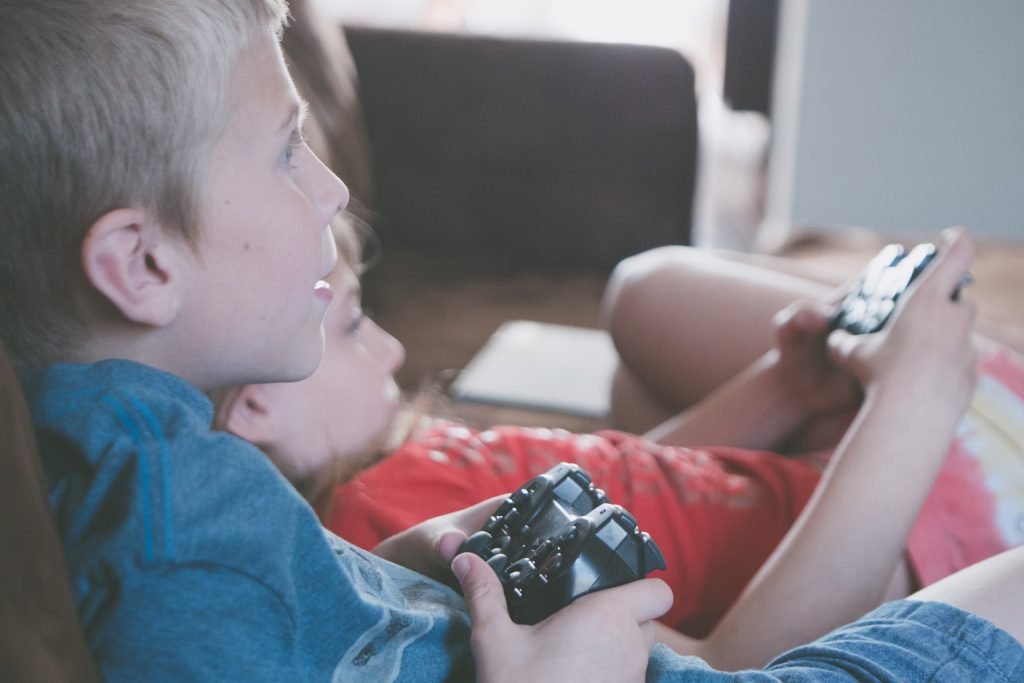
Recent studies have illuminated the misconception that gaming is predominantly a societal issue, as often suggested by mainstream media outlets. The American Psychological Association has highlighted that engaging in video games can positively influence children’s education, health, and social interactions. Additionally, various research indicates that modern gaming serves as a platform for children to form and maintain friendships.

Gaming encourages real-life interactions, whether through conversations or calls, extending beyond the screen. While moderation and careful selection of games are crucial—given that some titles may promote violence—many games focus on fostering positive values such as collaboration, friendship, and loyalty. Below are a selection of games, from both the past and present, that exemplify these values.
Super Smash Bros. Melee
Launched in 2001, Super Smash Bros. Melee marked a unique addition to the Super Mario Bros. franchise, bringing together characters from various Nintendo classics such as The Legend of Zelda and Pokémon. Significantly, it also included elements from the Fire Emblem series, which had been available only in Japan, and stimulated the release of new titles like Fire Emblem: The Blazing Blade and Fire Emblem: The Sacred Stones. Characters within Fire Emblem, akin to others in Melee, engage in narrative-driven interactions that build trust and support among them, fostering meaningful friendships while also celebrating diversity through a wide range of character backgrounds and races.
Jumpstart: Escape from Adventure Island
This dynamic adventure game for the Nintendo Wii exemplifies how popular games can be both entertaining and educational. Children are encouraged to improve their math, reading, and critical thinking skills while enjoying engaging environments and characters. Players embark on a journey after crash landing on an island, where they must navigate through 3D landscapes, completing challenges and competing in over 150 mini-games against themselves or their peers.
Minecraft for All Ages
The engaging pixelated universe of Minecraft captivates both children and adults, with endorsements from prominent YouTube and Twitch personalities like PewDiePie. Educators are increasingly integrating Minecraft into curricula, recognizing its potential to teach essential skills such as spatial reasoning, cooperative problem-solving, and abstract thinking. Players creatively construct 3D environments using blocks, learning to collaborate, share knowledge, and take responsibility to build unique structures.
Research indicates that gaming offers numerous advantages for children, fostering critical skills like spatial awareness and reading while promoting teamwork. Titles such as Minecraft, Jumpstart: Escape from Adventure Island, and Super Smash Bros. Melee serve as excellent examples of games that provide valuable learning opportunities, among many others that focus on fundamental subjects.



Add Your Comment Cancel reply