
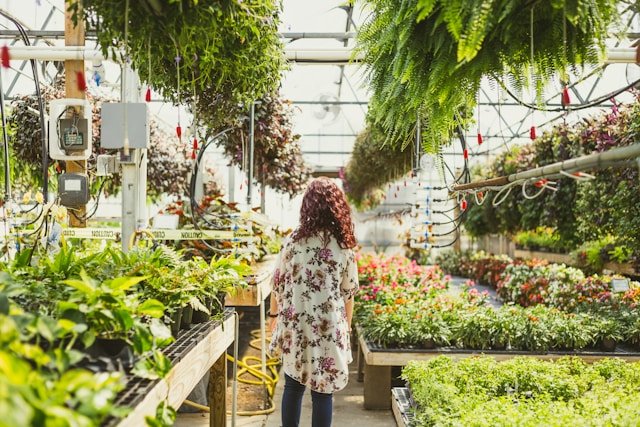
There’s a unique charm in witnessing a small seed grow into a flourishing plant, which adds a touch of enchantment to any garden. In today’s world, many parents are looking for ways to introduce their children to nature and demonstrate where their food originates. A backyard greenhouse serves as a controlled environment—a serene haven—where families can come together to garden regardless of the external weather conditions. While getting started requires careful planning and effort, the benefits of enjoying homegrown produce typically outweigh the challenges.
Fostering Family Connections Through Gardening
Cultivating your own vegetables promotes health and nurturance for all family members. Numerous gardening blogs indicate that many parents are now considering home greenhouses as essential family assets instead of mere luxuries. Engaging in gardening together allows families to unwind and reconnect after busy days, helping to create lasting memories that far exceed the growing season.
Choosing a Durable Growing Structure
The choice of frame plays a crucial role in the longevity of the greenhouse against local weather challenges. Sturdy designs from Rimol Greenhouse Systems offer the resilience necessary to safeguard valuable plants from severe wind and heavy snowfall. Investing in a robust foundation initially protects your financial resources for the family.
High-quality glazing and resilient metal frames mean reduced repair needs after storms. A solidly built structure now can save you a lot of headaches as your gardening endeavors expand, ensuring it’s capable of supporting your favorite crops’ weight.
Designing Your Garden Layout
Before undertaking construction, consult your local authorities regarding building regulations. Gardening podcasts often highlight that permits and size restrictions apply to greenhouses, similar to other permanent structures. It’s crucial to select a location that receives ample sunlight throughout the day since shaded areas can hinder plant growth and make heating more difficult.
Innovative Tools for Today’s Gardeners
Modern technology facilitates busy families in managing their gardens while minimizing the amount of time spent outside. Recent findings suggest that smart sensors and devices can automatically monitor temperature and moisture levels. You can even check on your produce from your smartphone during your daily routine.
Automated systems significantly stabilize the environment for plants that require delicate care. Experts in the industry confirm that enhanced climate management increases greenhouse efficiency and helps plants endure challenging weather conditions by taking care of minor tasks, allowing you to concentrate on enjoying the gardening process.
- Sensors measure soil moisture.
- Automated vents operate when temperatures rise too high.
- Timed lighting promotes plant growth during winter’s shorter days.
- Smart heaters prevent frost damage at night.
Lessons Learned by the Younger Generation
Engaging in greenhouse activities imparts lessons on patience and responsibility to children in a practical manner. A family-focused legal blog emphasizes that cultivating vegetables with children not only strengthens bonds but can also be initiated with a modest investment of around $50. Kids are often more inclined to eat their greens when they’ve contributed to growing them.
Navigating Potential Expenses
Operating a greenhouse entails costs that go beyond the initial setup. A publication on horticulture notes that labor can constitute up to 40% of the annual expenses in larger operations. Even in a home setting, the value of your time is significant, as maintaining the greenhouse demands ongoing commitment.
Heating and cooling costs for a greenhouse can escalate if not monitored carefully. According to suppliers, energy expenses often represent the second-highest cost for growers after labor. Proper insulation can significantly lower these ongoing costs.
Envisioning the Future of Your Family Enterprise
Should your gardening hobby transition into a small-scale business, you may encounter new challenges regarding staffing. A business blog highlights that family-owned farms often struggle to recruit help as younger generations opt for alternative career paths. Preparing to expand requires a definite strategy for managing daily responsibilities.
The market for medium-sized greenhouses is rapidly evolving as more individuals seek locally sourced food. Current data indicates that medium operations command a 36.5% share of the global market. This trend illustrates that small family initiatives hold significant potential in today’s economy.
Contemporary approaches focus on enhancing the independence and cost-efficiency of these structures. A trend analysis has shown that recent techniques yield greater crop predictability for owners, aiding families in transforming small backyard projects into successful long-term ventures.
Sharing fresh produce with neighbors fosters a strong sense of community. Delivering a basket filled with cucumbers or vibrant tomatoes brings joy and promotes conversation within the neighborhood. Such interactions make the labor of tending gardens feel lighter, emphasizing that cultivating plants is as much about building relationships with those around you as it is about growing food.



Share Your Thoughts Cancel reply