
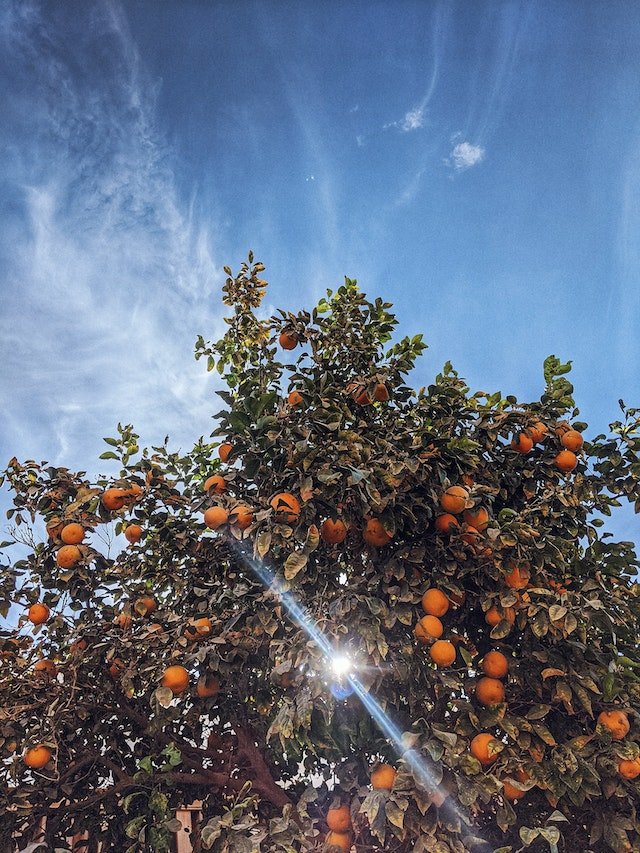
Prioritizing health and nutrition is essential, and ensuring you receive the necessary nutrients for your body is key. Incorporating a range of fruits into your diet can provide the vitamins, minerals, and fiber essential for maintaining good health. However, determining which fruits are most suitable for your region can be challenging, as different areas have unique growing seasons and soil characteristics.
This article will help you identify the finest fruits for your local environment so that you can maximize the nutritional advantages of your fruit consumption. We will discuss the factors to consider when selecting fruits to enable you to make well-informed decisions and purchase your selections through this online platform once you have gained more insight. We will share guidelines for selecting the most fresh and nutrient-rich fruits to enhance your dietary intake.
1. Assess the soil type and climate in your area
When selecting the optimal fruits for your locality, it’s crucial to evaluate the soil attributes and climate conditions. Different fruits prosper in varying environments, making it essential to investigate your specific conditions before deciding on the most suitable fruits to cultivate.
For instance, if your location is characterized by hot, dry conditions, opt for fruits that are indigenous to that region and well-adapted to those climatic and soil characteristics. Conversely, if you reside in a more moderate environment, you might want to consider a diverse range of fruits that can thrive in wetter conditions and acidic soils.
2. Choose varieties that resist pests and diseases
It’s vital to select fruit varieties that are known for their resistance to pests and diseases. Doing so will help reduce maintenance costs and the reliance on chemical treatments aimed at safeguarding your plants.
Certain fruit varieties, like apples, pears, and peaches, exhibit greater resilience to common pests and diseases compared to others. Additionally, a range of citrus fruits, such as lemons, oranges, and limes, are also renowned for their resistance. If unsure which varieties to opt for, seek guidance from your local nursery.
3. Identify the appropriate trees or plants for your setting
Next, it’s essential to select the correct trees or plants to grow your desired fruits. Different fruit varieties require distinct types of trees or plants. For example, apple trees necessitate a specific rootstock, while orange trees require a dwarfing rootstock.
Conduct thorough research to determine which trees or plants are best suited to your area’s climate and soil attributes. Pay attention to the dimensions, height, and overall shape of the trees or plants during your selection process, ensuring you choose a variety that is also disease-resistant.
4. Evaluate harvest times and associated costs for your chosen fruits
When selecting fruits, consider not just their flavor and texture, but also their harvesting timelines and costs. Different fruit varieties come with diverse harvesting schedules and associated expenses. For example, apples and peaches are typically harvested in late summer to early fall, while citrus fruits tend to have extended harvest periods.
Furthermore, certain fruits, like tomatoes or strawberries, may demand more labor-intensive processes to prepare them for market. Investigating the fruits available in your region, along with their respective costs and harvesting times, will assist you in making informed choices tailored to your needs.
Conclusion
Selecting the right fruits for your area may seem overwhelming at first. However, with thorough research into the varieties that flourish in your local climate and soil, you can maximize your fruit-growing success. Additionally, by grasping essential practices such as proper planting, pruning, and fertilization, you can ensure your fruit trees deliver a robust and productive harvest.



Add Your Comment Cancel reply