
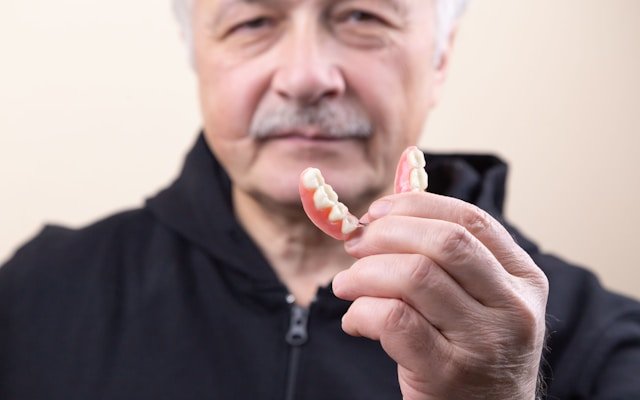
A recent report from the American Dental Association for 2024 indicates that over 40 million individuals in the U.S. depend on dentures for essential activities like eating and speaking. Alarmingly, about 60% of them admit to neglecting proper daily cleaning routines. As dental advancements continue and the aging population expands, the disparity between the capabilities of dentures and the experiences of users grows, often stemming from insufficient home care rather than the dentures themselves.
Improper hygiene can lead to severe repercussions beyond mere discomfort or aesthetics. It can trigger a series of health issues including bacterial infections, gum swelling, persistent halitosis, and accelerated bone density loss, complicating future dental treatments. For the millions of Americans managing denture care without adequate guidance, grasping the distinctions between various cleaning methods, identifying early warning signs, and steering clear of common blunders can significantly affect whether dentures enhance their quality of life or become a source of daily annoyance.
Understanding how to effectively clean dentures is not just about knowing the steps; it’s equally important to recognize what is suitable for your specific denture type and being able to address issues before they necessitate professional intervention.
What is the Best Way to Clean Dentures for Optimal Oral Hygiene?
Proper denture cleaning begins with the realization that these prosthetics attract bacteria similarly to natural teeth; however, their cleaning demands gentler handling and specialized techniques. Because denture materials can easily scratch, creating tiny grooves, it becomes essential to use appropriate cleaning methods.
A solid denture care routine involves a two-step daily process: initial cleaning to remove food remnants and plaque, followed by soaking in an antimicrobial solution to kill lingering bacteria. Start by rinsing your dentures under cool running water right after meals to prevent food particles from hardening. This quick action prevents most stains and simplifies the cleaning process later.
For thorough daily cleaning, utilize a soft-bristled denture brush or a regular toothbrush, applying gentle pressure. Secure the denture over a folded towel or a basin filled with water, as dropping them on a hard surface can lead to costly damage. Pay special attention to the areas where the dentures rest against your gums, which is where bacteria and plaque build-up tends to be greatest.
How you brush is more crucial than the cleaning products used. Opt for small circular motions rather than a vigorous back-and-forth method, as the latter can create scratches. Concentrate on grooves, clasps, and textured surfaces where food debris might remain hidden. Many individuals rush through this cleaning phase, but a thorough mechanical clean should take at least two to three minutes for effective results.
Following brushing, dentures must soak overnight in an antimicrobial solution. This step is essential; while saliva helps control oral bacteria for natural teeth, it doesn’t protect dentures when they are in use. The soaking solution penetrates areas that a brush cannot reach and continues to fight bacteria throughout the night, ensuring clean dentures for the start of each day.
Are There Differences in Cleaning Removable vs. Fixed Dentures?
The method of cleaning varies considerably depending on whether dentures are removable or permanently attached to dental implants. Many mistakenly believe that all dentures can be removed for cleaning; however, fixed dentures necessitate distinct maintenance techniques that resemble the care provided for natural teeth.
Guidelines for Caring for Removable Dentures at Home
Removable dentures can be cleaned thoroughly when taken out, but they need to be handled with care to avoid damage. Gently take them out using both hands instead of pulling from one side, which can distort the base or break clasps. Once removed, rinse the dentures immediately under lukewarm water—never with hot water, as it can warp plastic components.
Clean removable dentures over a soft surface, and opt for cleaning products designed specifically for dentures instead of regular toothpaste, which can scratch the surface due to its abrasives. Ensure complete immersion in a denture cleanser or antimicrobial solution for overnight soaking. Storing them in solution is crucial to prevent them from drying out, which can lead to warping and discomfort.
One of the most significant mistakes with removable dentures is failing to clean your gums, tongue, and any remaining natural teeth while the dentures are soaking. Utilize a soft toothbrush to gently clean these areas, which helps eliminate bacteria and promotes gum circulation, preventing infections and maintaining a healthy mouth.
How to Properly Clean Fixed Dentures?
Fixed dentures, which are attached to dental implants, cannot be removed for cleaning and require maintenance to be performed in your mouth using specialized tools. Water flossers are vital for cleaning beneath the prosthetic where food particles tend to gather. In contrast to removable dentures, you can use regular fluoride toothpaste, though a soft-bristled brush is necessary to safeguard both the prosthetic and the surrounding gum tissue.
Threading floss through fixed dentures can be tricky but is essential to prevent bacterial accumulation that could lead to complications with implants. Utilize floss threaders or interdental brushes made for cleaning around dental fixtures. Pay close attention to where the prosthetic meets your gums, as this junction collects bacteria that could endanger the implants supporting the dentures.
Frequent dental check-ups are vital for those with fixed dentures due to the risk of problems developing out of sight. Professional cleanings can eliminate tartar accumulation that cannot be dealt with at home, ensuring that your investment in implant-supported dentures lasts for many years without needing premature replacements.
Common Pitfalls in Denture Care to Avoid
One of the most detrimental habits in denture maintenance is using regular toothpaste for cleaning. Standard toothpastes contain abrasives meant for natural enamel; when they come in contact with denture materials, these abrasives can create micro-scratches that can harbor bacteria. Over time, this can make dentures increasingly hard to clean and lead to staining and odor.
Many individuals mistakenly believe that stronger cleaning products yield better results. However, ingredients like bleach and harsh detergents, or whitening agents can damage denture materials, causing discoloration, compromising structural integrity, or even complete breakdown. It is best to use products specifically designed for dentures to ensure safe and effective cleaning without risk of long-term harm.
Temperature-related errors rank as significant mistakes. Hot water can reshape denture bases, permanently altering their fit. Some people discover this the hard way when attempting to “sterilize” their dentures with hot water, only to find that they no longer fit correctly. Mild or room temperature water provides sufficient cleaning without the risk of damage.
Inconsistent soaking practices pose another considerable issue. When left to dry overnight, dentures can become breeding grounds for bacteria and may slightly warp, impacting their fit. The solution must fully submerge the dentures—partial soaking can leave areas exposed where bacteria can proliferate rapidly.
Finally, many denture wearers overlook the importance of regular cleaning frequency. Some might think that dentures don’t require daily care like natural teeth, but bacteria can accumulate on prosthetics even faster than on teeth. Skipping just one day of proper cleaning creates conditions where biofilm can form, making subsequent cleaning more difficult and less effective.
Lastly, many denture users neglect to pay attention to early indicators of issues, assuming minor irritation or slight looseness will resolve by itself. This complacency can transform simple adjustments into significant repairs or replacements later; thus, seeking help for denture issues—including knowing the typical costs associated with replacing dentures—becomes critical when maintenance is ignored.
How to Identify and Address Early Denture Issues
Ongoing sore spots often indicate the most prevalent denture problem: improper fit due to changes within your mouth or wear and tear on the dentures. These issues can begin as minor irritations but can lead to painful sores if left untreated. If consistent soreness is present in a particular area, remove your dentures and refrain from wearing them until the irritation subsides.
Looseness can gradually occur as the jawbone remodels over time. Many individuals adjust to increasingly loose dentures without realizing the impairment in function. Initial signs include clicking sounds while speaking, food trapping underneath the denture, or an increasing reliance on denture adhesives. These indicators suggest a need for professional relining rather than merely applying more adhesive.
Changes in your bite or speaking patterns can also be early signifiers of denture complications before actual discomfort occurs. If articulation becomes more challenging or chewing efficiency diminishes, your dentures may have shifted or worn unevenly. Keep a record of these changes and discuss them during dental appointments, as they often hint at problems that need attention.
Chronic bad breath, even after thorough cleaning, may suggest bacterial accumulation in areas that are difficult to access or minute damage to the denture surface that harbors bacteria. Typically, this issue will not resolve with aggressive home cleaning and may necessitate professional evaluation to determine if repair, replacement, or treatment for underlying concerns is needed.
To alleviate minor irritation, rinse your mouth with warm salt water and refrain from wearing the dentures until the soreness subsides. Never try to adjust your dentures on your own using tools like files or sandpaper, as such modifications usually exacerbate the problem and make professional repairs much harder, if not impossible.
Be mindful of changes in how food tastes or feels, as these subtle variations often signify developing problems before more apparent symptoms emerge. Early attention could lead to simple adjustments, while delay often results in either a complete remake or more extensive treatment.
What Cleaning Solutions and Tools Are Most Effective for Dentures at Home?
Manual vs. Ultrasonic Cleaning: What Are the Benefits?
Cleaning manually with a soft-bristled brush allows for the precise control and pressure needed to effectively eliminate plaque, particularly in grooves and crevices around clasps. The tactile feedback from brushing enables you to identify areas needing more attention and adjust your brushing pressure as needed. This method serves well for daily upkeep and only incurs the cost of the initial purchase of the brush.
Ultrasonic cleaners provide deep cleaning access to microscopic crevices that may be missed in manual cleaning. These devices generate microscopic bubbles through high-frequency sound waves, effectively dislodging bacteria and food debris without creating abrasive contact. They are particularly useful for dislodging calculus buildup and sanitizing areas where manual cleaning is insufficient.
The best approach is to combine both methods: use manual brushing for daily plaque control and ultrasonic cleaning weekly for thorough sanitization. Home-use ultrasonic units typically range from $30-$80 and can last several years with proper maintenance. Nevertheless, these devices can’t entirely replace manual cleaning since some debris necessitates mechanical removal that sound waves cannot achieve.
Which Cleaning Solutions are Safe for Dentures?
Specialty denture cleansers are the most effective and safest products for cleaning. These formulations are designed to dissolve biofilm and eradicate bacteria without harming denture materials. Enzymatic cleaners excel at dismantling protein-based deposits that regular soaps struggle with, making them beneficial for individuals consuming dairy or meat.
Mild antimicrobial solutions, such as diluted hydrogen peroxide or specific denture soaks, provide excellent bacterial control for overnight soaking. These products continue their action for hours, ensuring real cleanliness when you wear your dentures the next day. Avoid solutions containing alcohol, as they can dry and crack certain denture materials over time.
Natural cleaning options like diluted white vinegar can effectively clean for those who prefer chemical-free alternatives; however, they may require longer soaking times and might not eliminate all types of bacteria. Regardless of the cleaning solution chosen, make sure the dentures are entirely submerged, adhering to manufacturer recommendations for concentration and soaking duration.
The secret to effective denture maintenance lies in consistency rather than striving for perfection. Establishing a routine that fits comfortably into your lifestyle ensures your dentures remain functional, comfortable, and hygienic for years, while proactive management of emerging issues prevents minor troubles from escalating into major complications.
Add Your Comment Cancel reply