
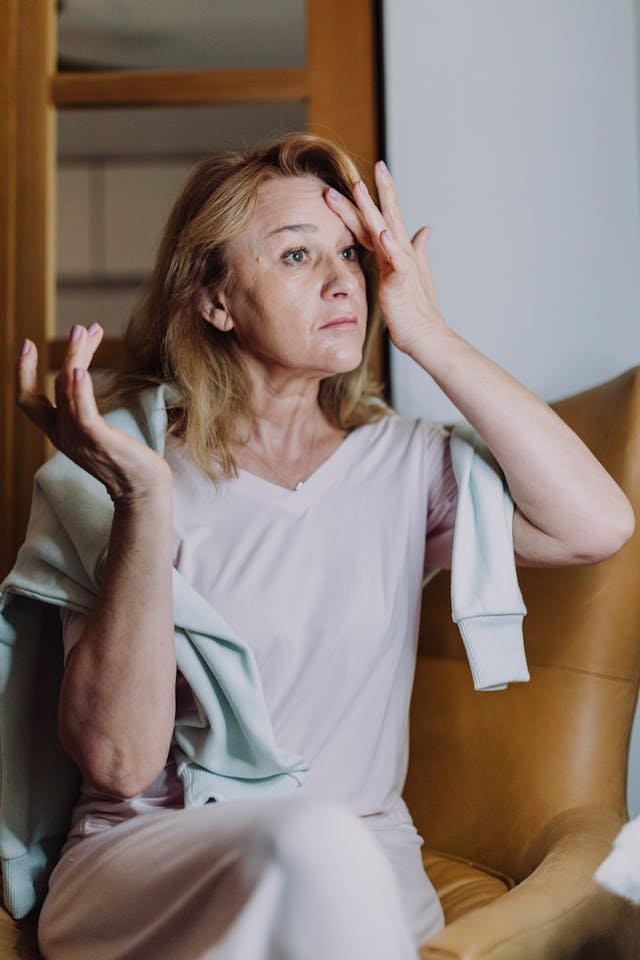
Menopause often arrives unexpectedly. Initially, it may present as minor inconveniences like disrupted sleep or unexpected shifts in mood. However, as time passes, the experience intensifies—sleep becomes less restorative, energy levels plummet, and your body starts to react in unfamiliar ways.
For numerous women, particularly those in regions like Tacoma, where both seasonal variations and lifestyle patterns can subtly influence well-being, there’s an expectation that things will eventually self-correct. Unfortunately, this isn’t always the case, even after implementing certain lifestyle changes. This realization often leads to growing frustration.
If your symptoms have been persistent or worsening, you are certainly not alone. Research indicates that nearly 75 percent of women experience hot flashes during menopause, and many do not find adequate relief through lifestyle modifications alone. This discrepancy usually indicates deeper issues that remain unaddressed.
Let’s explore several reasons why relief from menopause symptoms has been elusive.
1. You’re Targeting Symptoms Rather Than Addressing Hormonal Changes
It’s common to concentrate on the most prominent issues—such as hot flashes, sleeplessness, and irritability. As a result, your attempts to remedy these problems may involve dietary changes, supplements, or modified routines.
Nevertheless, menopause is primarily driven by hormonal changes, particularly the decline of estrogen and progesterone. Without directly addressing these shifts, symptoms are likely to resurface.
Many women start to realize this pattern before seeking options like menopause treatment in Tacoma. They notice that temporary relief quickly gives way to recurring symptoms. Clinics such as Juvecore Health tend to customize treatment based on individual hormone profiles, which differentiates it from merely addressing symptoms in isolation. Such an approach often yields better results than generic lifestyle changes.
2. Generic Guidance Isn’t Resonating with Your Body’s Needs
You’re likely familiar with standard recommendations: eat better, increase physical activity, and manage stress. While these suggestions can be beneficial, their effectiveness varies among individuals.
Menopause highlights the uniqueness of each woman’s body. Two individuals can adhere to the same health regimen yet experience vastly different results; one may feel improvements shortly while the other feels stagnant.
Hormonal levels, metabolism, and stress responses differ significantly among women. If your body requires individualized support but receives only broad advice, you may experience little to no progress.
Many women begin to understand that what they need isn’t more activity but a tailored approach that aligns with their body’s specific requirements.
3. You Could Be Facing Multiple Health Challenges
Menopause often accompanies various other health changes that can quietly influence your daily feelings.
Conditions such as thyroid imbalances, insulin resistance, and chronic stress may exacerbate or even mimic menopause symptoms. Therefore, even if you’re addressing menopause, these additional factors can contribute to an ongoing sense of unease.
For instance, fatigue may not solely stem from hormonal decline; it could also be linked to longstanding sleep issues or blood sugar irregularities. Emotional fluctuations may seem hormonal, but they may also be intensified by ongoing stress or nutritional gaps.
This complexity can lead to stalled progress—treating one area in isolation while neglecting others is rarely effective. Taking a comprehensive view of your health can lead to substantial improvements.
4. Misconceptions About “Normal” May Be Hindering Your Progress
A common belief among many women is that discomfort is simply a part of the menopause journey. This leads to the mindset that experiencing these feelings is something to endure. Although menopause is indeed a natural process, navigating it without seeking relief doesn’t have to be the norm.
Research published in Springer Nature reveals that approximately 50 percent of middle-aged women experience symptoms related to menopause that can significantly disrupt daily activities. Nevertheless, numerous women avoid seeking structured help because they assume their condition is normal.
This perspective can hinder timely and helpful interventions. You adapt, endure, and wait for these challenging moments to pass, postponing relief when it’s needed most.
Altering this mindset may represent a pivotal change. Acknowledging that not everything has to be suffered through can lead to better management of your symptoms when approached correctly.
Conclusion
If you find that your menopause symptoms persist without improvement, there’s usually a deeper explanation at play. It’s rarely attributed to doing things incorrectly; often it signifies a missing element in the broader context. Hormonal imbalances, lifestyle influences, underlying health issues, and personal expectations all contribute. When even one aspect is out of harmony, your body indicates this imbalance.
Focusing on identifying patterns instead of solely symptoms can transform your approach to this life stage. Once you make that transition, the complexities may become less bewildering and far more manageable.



Add Your Comment Cancel reply