
Every parent aspires to provide their children with an optimal start in life. Striking a balance between enjoyment and education may seem challenging for families, yet it is a decision that influences a child’s perception of the world for years ahead.
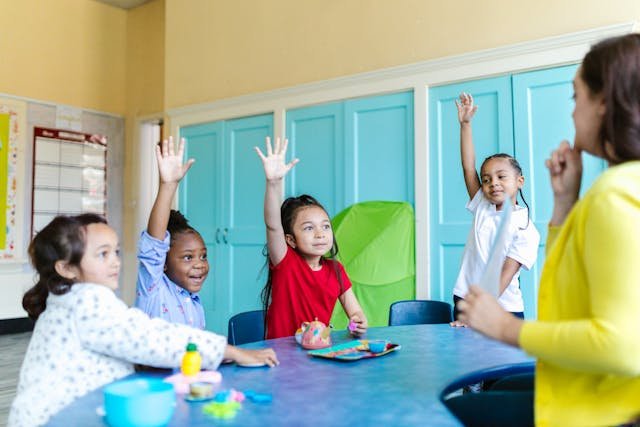
Structured educational programs serve as a compass to steer young minds during their early development. These environments offer a secure venue for children to acquire knowledge and form friendships in a supportive atmosphere. Each day unfolds fresh opportunities for them to explore hobbies or skills that may ignite their passion.
Cultivating Social Skills
Social interaction plays a crucial role in the development of young children. In group settings, toddlers learn the importance of sharing and taking turns alongside their peers.
For many families, locating the ideal environment for their toddler is essential. A common search phrase is child care near me, leading them to nurturing spaces where their children can flourish. This initial step is vital for helping kids feel at ease as they encounter new faces and venture into the wider world.
Engaging with other children enhances a toddler’s communication skills, as they observe and imitate positive behaviors throughout their daily interactions.
Creating Stable Daily Routines
Toddlers thrive on predictability, and knowing what comes next can make them feel secure. Consistent daily schedules diminish anxiety and empower them to make choices, transforming their environment into a more manageable space.
As noted by early education experts, reliable routines lay a solid foundation for a child’s growth. This structured approach enables children to transition between various activities without feeling hurried or anxious about changes, establishing a comforting rhythm to their day.
Regularity teaches kids about responsibility as they mature, covering essential parts of their day:
- Meal times to encourage healthy habits.
- Rest periods for rejuvenation.
- Time allocated for imaginative play.
Fostering Emotional Regulation
For young children, learning to manage their emotions is a skill that requires substantial practice. Educators support toddlers in dealing with feelings of frustration or sadness that may arise during play or collaborative tasks. Mastering the ability to cope with disappointment or errors is an essential aspect of childhood development.
Research published in a child psychology journal indicates that children who practice patience when waiting for treats demonstrate improved self-control. Such practice is inherent in daily classroom experiences, where every child takes turns using popular toys or books. This teaches them that rewards often come to those who can wait.
The ability to delay gratification is a significant milestone for preschool-aged children. It leads to enhanced conduct and equips them to remain composed in unfamiliar or challenging situations, allowing them to focus on learning instead of becoming upset over minor hurdles.
Instilling Respect for Diversity
Classrooms gather children from diverse backgrounds, showcasing the multitude of unique experiences and perspectives. This variety instills in them the understanding that individuality is an asset to be celebrated, rather than shied away from.
An educational study found that structured social interactions enhance children’s capacity for empathy and acceptance. They begin respecting various opinions at an early age through play and collaborative storytelling, nurturing a compassionate heart and an inquisitive mind prepared for the broader world.
Teachers facilitate learning moments by promoting kindness and cooperation, encouraging children to treat their classmates with the same consideration they wish to receive.
Enhancing Language and Literacy Proficiency
Engaging in conversations with peers and adults significantly enriches a child’s vocabulary. Exposure to new terms during storytime and group talks about their favorite animals or places accelerates their language development.
Early engagement with books and letters ignites a passion for reading and writing. Kids grow to recognize the symbols and sounds that form the basis of literacy. Encountering written words throughout their classroom makes learning an enjoyable and natural process.
Effective communication lessens frustration, allowing children to articulate their needs and thoughts clearly. They learn to express themselves verbally, rather than relying on gestures or tears to convey their desires.
A Foundation for Future Academic Achievement
Transitioning to elementary school is a significant milestone for every young learner. Having participated in a structured program prior to this stage enhances their readiness and eases anxieties for both children and parents. It equips them with the confidence to embrace new challenges eagerly.
Children arrive at their new schools with the ability to follow a teacher’s instructions, stay engaged during lessons, and complete tasks punctually.
These early experiences create a robust groundwork for lifelong education and personal development. A child who enjoys success in preschool is more likely to approach school with enthusiasm as they progress to higher grades, fostering a lasting love for exploration and learning.
Enrolling a child in a structured program is a valuable investment in their future success and happiness. Such programs provide essential tools for navigating the world with confidence and compassion each day.
Every small step taken now paves the way for a brighter tomorrow. Observing a child’s growth and learning journey is a gratifying experience for all families involved.



Add Your Comment Cancel reply