
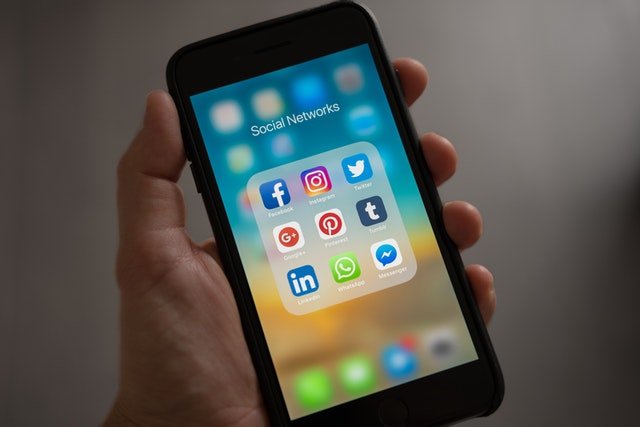
Presenting someone with a mobile phone can be a unique and generous gift idea. If you know a friend or family member who requires a new device, this could be an excellent chance to assist them. The challenge lies in selecting the right phone type; the extensive variety available can be overwhelming.
When purchasing a phone, considering a few key factors can simplify the process. By taking into account the recipient’s age, lifestyle, and requirements, your choices will be significantly narrowed. Additionally, remember to keep your budget in check and avoid overspending on features that may not be essential.
The current smartphone market is highly competitive, offering a plethora of enticing deals and discount codes. It’s important to start your search in the right places. Here are several considerations to keep in mind when selecting a phone as a gift. Read on to ensure you choose the right device for the right person.
The Recipient’s Age
While it may seem obvious, the recipient’s age is a critical factor. A smartphone ideal for a teen may not suit an older adult’s preferences. Their expectations from a phone are likely to differ significantly.
For younger individuals, the allure often lies in the latest functionalities and trendy features of contemporary smartphones. Conversely, older users may prefer something more straightforward, leaning towards essential functionality over trendy characteristics.
Moreover, accessibility will vary based on age. It could be wise to opt for a feature phone for an elderly relative—many modern models support 4G connectivity along with essential features, thus overcoming the outdated perception of “dumb phones.”
Their Lifestyle
Consider the lifestyle of the individual for whom you are purchasing the phone. If they lead an active lifestyle, they may require a resilient and waterproof device, suitable to accompany them during various activities.
For instance, if the recipient is passionate about photography, then a phone with a high-quality camera would be ideal. Alternatively, someone who prioritizes battery life might need a device that can last longer.
Your Budget
Next, your budget plays a vital role in the decision-making process. Feature phones can be quite affordable, starting at a mere few dollars, while Android smartphones typically start around one hundred dollars. High-end models, however, often exceed one thousand dollars. Your choices will ultimately hinge on what fits your financial capacity.
While searching for phones, keep an eye out for special promotions from carriers. Often, signing up for a new service plan or renewing an existing one can yield either free or discounted phones. Shopping during major sales like Black Friday or Cyber Monday can also lead to significant savings on popular models such as the iPhone or Galaxy series.
Their Needs
Additionally, you should reflect on the specific needs of the person you’re buying for. Despite the similarity in features across many modern smartphones, certain models may offer standout characteristics. For example, BlackBerry devices are known for their distinctive QWERTY keyboards, promoting quick typing. For mobile gaming enthusiasts, brands like Asus and Xiaomi stand out with their gaming-centric devices.
Their Preferences
The ongoing debate between iPhone and Android users continues, although there’s no definitive winner. It’s crucial to select a phone that aligns with the recipient’s preferences and needs. For many, iPhones symbolize status and are perceived as a trendier option, particularly with the exclusive blue chat bubbles of iMessage.
Nonetheless, iOS lacks some features offered by the Android platform and vice versa. If your recipient enjoys customizing their device and exploring technological possibilities, they’ll likely favor Android. In contrast, a longtime MacBook user may lean towards an iPhone. Ultimately, it hinges on personal preferences and your awareness of what they favor.
The Carrier They Use
This aspect is particularly relevant in the US market, where carriers typically restrict their plans to specific brands and models. Therefore, a mid-range Samsung may prove to be a safer option compared to a Xiaomi flagship, particularly if purchased abroad—while it might function correctly, unsupported phones could suffer from connectivity issues.
Always confirm whether the selected phone is compatible with the carrier’s network. This could pose complications when opting for older phones that precede advancements in network technology. For example, a 3G phone will not operate on a 4G LTE network. While you may avoid older models, it’s still crucial to keep this in mind.
Final Thoughts
In conclusion, selecting a phone as a gift involves deliberating between feature phones, Android smartphones, and iPhones. Feature phones are excellent for individuals who require a reliable and budget-friendly device for essential tasks. Although they may be less speedy, many come with the durability needed for everyday use.
iPhones are characterized by their functionality and user-friendliness, though they typically come with a higher price tag and may lack some features available on Android devices. Conversely, Android smartphones often boast lower prices and superior specifications, even if the operating system doesn’t always match the smoothness offered by iOS. Despite this, Android devices tend to support more cutting-edge technologies than their Apple counterparts, which may take time to adopt.



Add Your Comment Cancel reply