
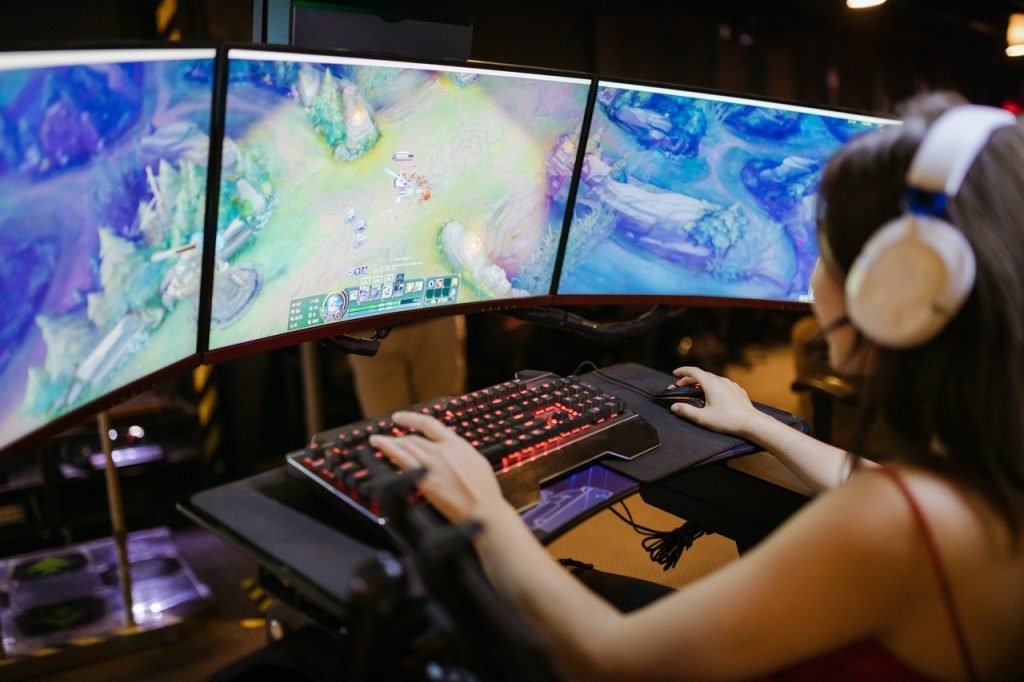
If you are considering a new monitor purchase, several factors warrant your attention before finalizing your choice. Primarily, the monitor size is crucial—whether you need a standard screen or a larger gaming display, especially if extensive hours are spent working or gaming. It’s also essential to evaluate your current computer’s compatibility with the monitor you wish to buy. To assist you, here are seven valuable pointers for selecting the ideal monitors and gaming displays:

The Significance of Choosing the Right Monitor
Selecting the right monitor can enhance both your enjoyment and productivity. However, with the vast array of options available, identifying the ideal monitor can be challenging. Key aspects to evaluate include size, resolution, brightness, refresh rate, and panel technology.
For gamers, some of these criteria become more critical, as nothing is more frustrating than being limited by an inadequate monitor while your graphics card performs optimally.
Selecting the Appropriate Size
When seeking a monitor or gaming screen, ensure it aligns with your needs. If your usage includes movies, music, games, or office applications, an all-in-one monitor might be a wise investment.
Multifunctional monitors can double as TVs or gaming devices if equipped with the right features. They often allow direct Wi-Fi connections for easy storage of files and photos, making them cost-effective in the long run.
Evaluate Resolution
Resolution is a vital factor when choosing a monitor, as it dictates pixel density. Higher resolution screens deliver clearer and more detailed images compared to their lower-resolution counterparts.
While most computers come with decent displays, the monitor selection process can be overwhelming. Fortunately, we can simplify the essentials with these seven straightforward tips.
Is Input Lag a Concern?
A crucial consideration when choosing a monitor is input lag, which measures the time it takes for a signal to transmit from your computer to the screen. For gamers, low input lag is essential for quick reactions during gameplay.
Excessive input lag can hinder your ability to respond promptly in games or while using professional software, leading to frustration. Therefore, ensure that your chosen monitor has an input lag low enough to meet your gaming requirements.
Research Different Monitors Before Purchasing
With a multitude of monitors available, the selection process can be daunting. Choosing the wrong monitor can lead to eye strain or migraines, which is the opposite of what you want if you’re regularly using it. Take the time to compare options thoroughly; you might discover unexpected benefits.
Prefer Gaming on Your Computer Monitor Rather Than Your TV
A dedicated computer monitor offers better game performance and often provides higher refresh rates, which can save you money in the long term. While an HDTV may seem like a viable option for gaming, it typically falls short unless it features a resolution higher than 720p or 1080p.
TVs with 720p resolution or above can serve as secondary monitors, providing additional space for your desktop layout, but they’re generally not ideal for primary gaming purposes.
Adjust Settings According to Your Needs
Although monitors are relatively simple devices, they come with a variety of settings that can be tailored to your requirements. For gaming and photo editing, brightness and contrast are significant, while casual tasks like email checks and reading can be comfortably managed on lower resolutions.
When choosing a monitor, ensure it suits your use case, and optimize the settings to enhance your experience. Your eyes will appreciate the effort!
Don’t Hesitate to Choose a Larger Monitor
While bigger isn’t always better, many gamers—especially those engaged in action-packed games—favor larger displays for a more immersive experience. Upgrading from a smaller monitor may be beneficial if you’re straining to view all on-screen elements or read text.
A common recommendation for immersive gaming is a 27-inch monitor, which provides excellent viewing angles and user-friendliness. Additionally, consider curved monitors for enhanced immersion, gaming laptops for portable power, and multi-monitor setups for expanded workspace.
Conclusion
By implementing some straightforward recommendations, you can significantly enhance your PC gaming experience. Whether you’re chasing a larger screen, sharper images, or reduced response times, these strategies will guide you in selecting a monitor that aligns with your needs.



Add Your Comment Cancel reply