
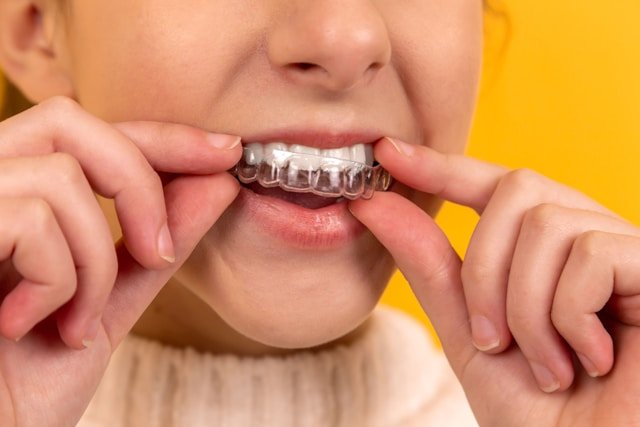
Recent data from the American Association of Orthodontists has revealed that as of 2023, clear aligner treatment now represents over 40% of all orthodontic procedures performed in the United States. This statistic marks a striking increase from the mere 15% a decade earlier. This trend is more than just a shift in aesthetics; it signifies a broader change in the mindset of both adults and teenagers toward orthodontic services, focusing on flexibility and subtlety while achieving desired clinical results.
The rise in popularity of clear aligners has been particularly influenced by the increase in remote work, leading to more video calls and heightened awareness of personal appearance via social media platforms. Conventional metal braces, once considered the standard for most orthodontic patients, now stand in competition with discreet alternatives that enable normal eating habits and simplified oral care, free from the societal stigma that often accompanies traditional braces.
For millions of individuals in the U.S. contemplating orthodontic treatments—especially adults who postponed orthodontic care during their youth and teens looking for subtle options—gaining a solid understanding of the benefits and drawbacks of clear aligners is essential. This knowledge influences not only the duration and comfort of treatment but also daily life, professional relationships, and long-term dental health.
The Operation of Clear Aligners vs. Traditional Braces
Clear aligners implement gentle, controlled pressure on teeth using a sequence of customized, removable trays that are designed to gradually shift teeth into their desired positions. This contrasts with traditional braces, which utilize metal brackets and wires for continuous force. With clear aligners, movements are executed in a planned sequence, with each tray designed to facilitate a specific adjustment as patients transition through their treatment.
The key distinction lies in how force is applied and managed. Traditional braces maintain consistent pressure through wire tension that orthodontists modify at monthly visits. This makes them particularly effective for intricate cases characterized by serious crowding, significant bite problems, or teeth that require complex repositioning. The fixed brackets and wires serve as anchors, granting orthodontists the ability to adjust teeth in directions that aligners may find difficult to achieve.
Clear aligners, however, depend on the exact fit of each tray to generate specific pressure points, with advanced software pre-planning the entire treatment process using 3D imaging to predict teeth adaptation with each adjustment. While this technology enables highly controlled tooth movements, it excels particularly within recognizable limits, such as tilting and slight rotations of front teeth, alongside spacing adjustments and minor expansions.
The removable characteristic of aligners presents both advantages and restrictions. Patients can eat freely, maintain their regular oral hygiene routine, and remove their aligners for significant professional or social occasions. However, this convenience hinges critically on patient adherence; wearing the aligners for fewer than 20 hours daily can interfere with progress and prolong treatment duration. In contrast, traditional braces eliminate this variable, providing greater predictability for individuals who may struggle with consistent adherence to aligner usage.
What Are the Primary Benefits of Clear Aligners for Mild to Moderate Cases
Discreet appearance is undoubtedly the most apparent advantage, especially beneficial for individuals in careers built around public speaking, client engagement, or media involvement. The transparency of the aligners renders them almost invisible from standard conversation distances, allowing adults to seek orthodontic solutions without the anxiety tied to traditional braces.
Improved oral hygiene is another significant improvement over fixed braces. Aligners can be entirely removed during brushing and flossing, granting easy access to all surfaces of the teeth and eliminating the need to work around brackets and wires. This accessibility significantly minimizes the risk of white spot lesions caused by plaque buildup, a permanent enamel issue typically associated with traditional braces. Studies from the Journal of Clinical Orthodontics highlight significantly lower occurrences of gingivitis and periodontal issues among aligner users compared to traditional brace users.
Freedom in dietary choices eliminates the long list of food restrictions often imposed with braces. Patients can consume sticky, hard, or chewy foods without concern about damaging the aligners, as they can be removed during mealtime. This flexibility is particularly beneficial for teenagers maneuvering social dining situations or adults with unpredictable work hours.
Enhanced comfort arises from the smooth plastic design that avoids the irritation linked to brackets and wires in traditional braces. While the initial days with each new set of aligners may bring some pressure and mild discomfort, patients do not experience the cuts, sores, or emergency visits often necessitated by broken wires during conventional treatment. Furthermore, the option to remove aligners temporarily for special events—such as important presentations, wedding photos, or sports—provides psychological comfort, even if they choose to keep the aligners in place.
For those contemplating Invisalign treatments in Newport Beach, these benefits frequently outweigh the heightened compliance demand, especially when the treatment objectives align well with the capabilities of the aligners.
What Practical Steps Ensure Success with Clear Aligners
Achieving successful outcomes with clear aligners relies heavily on active patient involvement, which goes well beyond merely wearing the trays. Success hinges on recognizing both behavioral expectations and common pitfalls that may hinder treatment progress.
How Patient Adherence Influences Treatment Results
The recommended daily wear time of 20-22 hours is not arbitrary; it reflects the biological processes involved in tooth movement and bone restructuring. If aligners are removed, teeth can begin to revert to their previous positions within hours. Thus, consistent wear is crucial to maintain the necessary pressure for gradual adjustments while avoiding any regression that might impede progress.
Patients who limit aligner usage to only 16-18 hours daily often face lengthened treatment durations, necessitating additional aligners to make up for the lost time. In some instances, inadequate compliance may render treatments impossible and necessitate a switch to traditional braces. Helpful tools like tracking apps and reminders can assist, but ultimately, success is largely determined by how seamlessly aligner wear becomes woven into everyday life.
The psychological factors involved are equally vital. Patients who perceive aligners merely as a temporary bother instead of effective treatment tools may struggle with sustained use. In contrast, those who grasp the scientific rationale behind the wear schedule and document their journeys with regular progress photos tend to maintain higher adherence levels throughout their treatment period.
Many patients find that adjusting their eating patterns is necessary. Removing aligners for every food and drink, apart from water, requires consolidating meals and snacks into specific times, followed by brushing before reinserting the aligners. This often reduces frequent snacking and sugary drink consumption, leading to surprisingly improved dietary habits.
How to Overcome Common Treatment Challenges
Speech adaptation often presents a hurdle for most patients when they begin using new aligners, especially those with attachments or bite ramps. The new thickness may temporarily affect tongue movement, leading to lisping or changes in pronunciation. Engaging in daily reading aloud for 15-20 minutes can help speed the adjustment process, allowing the tongue to acclimate faster.
Loss or damage of aligners can cause delays and unanticipated expenses for replacements. Frequent travelers should carry their previous aligner set as a backup, as using an older tray temporarily will result in less setback than going without any aligners. Exercising care, such as placing aligners in their case during meals, helps prevent loss or damage; many delays occur due to aligners carelessly disposed of in napkins or damaged by pets.
Cleaning and upkeep require establishing consistent routines to avoid odors, discoloration, and bacteria buildup. Rinsing aligners with cool water post-removal and gently brushing them with a soft toothbrush using clear soap can maintain cleanliness without harming the plastic. Hot water can distort the trays, while colored soaps or toothpaste might lead to staining, compromising the invisibility of the aligners.
Social situations can be navigated effectively with thoughtful planning. Patients should practice discreetly removing aligners and always carry their case to avoid awkward moments involving temporary storage in napkins or pockets. Many individuals find explaining their orthodontic treatment to friends and family mitigates feelings of self-consciousness connected to aligner removal during meals.
What Are the Restrictions and Hazards Linked to Clear Aligner Therapy
While clear aligners perform exceptionally well within certain limitations, they may not adequately address more complex orthodontic issues. Correcting intricate bites, such as severe overbites, underbites, and crossbites, often necessitate the precise force delivery that only traditional braces fitted with elastics can facilitate. This sequential approach to aligner movement makes achieving simultaneous multi-directional adjustments problematic.
Severe crowding exceeding 6-7 millimeters typically requires tooth extraction or considerable enamel reduction, which aligners alone cannot achieve effectively. Conversely, milder spacing issues can often benefit from aligner treatment, but cases involving impacted teeth or significantly rotated molars often require the pivot points and leverage that traditional brackets and wires offer.
Movement of the root is another key limitation. Aligners excel at tilting teeth, moving primarily the visible part, but may struggle with root repositioning through bone. Traditional braces can leverage torquing forces to control root placement more accurately, which is vital for attaining optimal bite alignment and stability over time.
Patient selection criteria go beyond the complexity of cases; behavioral aspects also play a significant role. Individuals with poor oral hygiene may find it challenging to maintain the discipline necessary for proper aligner usage, and those leading busy lives with frequent travel, irregular eating habits, or high-stress environments are more likely to face compliance difficulties.
Treatment timeline frequently extends beyond initial estimates if aligners do not align precisely with projected treatment plans. Approximately 70% of cases necessitate refinement phases that include additional aligner sets, whereas traditional braces usually attain expected outcomes within original timelines. Patients should recognize that the quoted treatment durations are often ideal scenarios based on perfect adherence and biological responses.
Financial considerations encompass not only the initial costs of treatment but also potential extra expenses due to lost aligners, refinement stages, and retention systems. There is significant variability in insurance coverage, as some plans classify aligner treatment as cosmetic, rather than medically necessary, regardless of the underlying orthodontic issues.
What Do Studies Indicate About Clear Aligner Outcomes
Clinical studies reported in the Journal of Clinical Orthodontics reveal that clear aligners yield results comparable to those achieved with traditional braces for cases of mild to moderate crowding and spacing, with positive outcomes observed in over 85% of cases where patient adherence aligns with recommended practices. Nonetheless, the interpretation of “success” varies significantly depending on the type and complexity of treatment involved.
Research focusing on long-term stability highlights the importance of retention strategies in sustaining results achieved through aligners. Investigations published in the American Journal of Orthodontics and Dentofacial Orthopedics indicate marginally elevated relapse rates in patients treated with aligners compared to those using traditional braces, particularly regarding corrections of rotations and bite adjustments. This phenomenon appears linked to the biological response elicited by different forces as opposed to the quality of treatment provided.
Predictability factors indicate that some movements demonstrate more consistent responses to aligner therapy than others. Movements involving intrusion (the process of adjusting teeth into the gums), rotation of rounded roots, and significant bite corrections typically show lower success rates when performed solely with aligners. However, tipping adjustments, closure of spaces, and mild expansions exhibit high predictability and stability over time.
Patient satisfaction metrics frequently favor clear aligners due to their comfort and convenience, as well as their aesthetic appeal, yet traditional braces often score higher for treatment predictability and practitioner oversight. Ultimately, the decision increasingly revolves around aligning patient expectations with the capabilities of the treatment; those who prioritize discreetness and flexibility may accept potential trade-offs related to treatment complexity or duration.
Future advancements in aligner technologies aim to enhance force delivery and introduce new materials to facilitate more precise tooth movements. Nevertheless, the core mechanical limitations remain, underscoring the importance of appropriate case selection and thorough patient education to achieve the best possible outcomes.
The findings suggest a higher chance of success with clear aligner therapy is linked less to the technology itself and more to appropriate case selection, realistic patient expectations, and unwavering adherence to treatment protocols. Understanding these elements before commencing treatment is vital in ensuring patients select the orthodontic approach that best fits their individual requirements and lifestyle.

Add Your Comment Cancel reply