
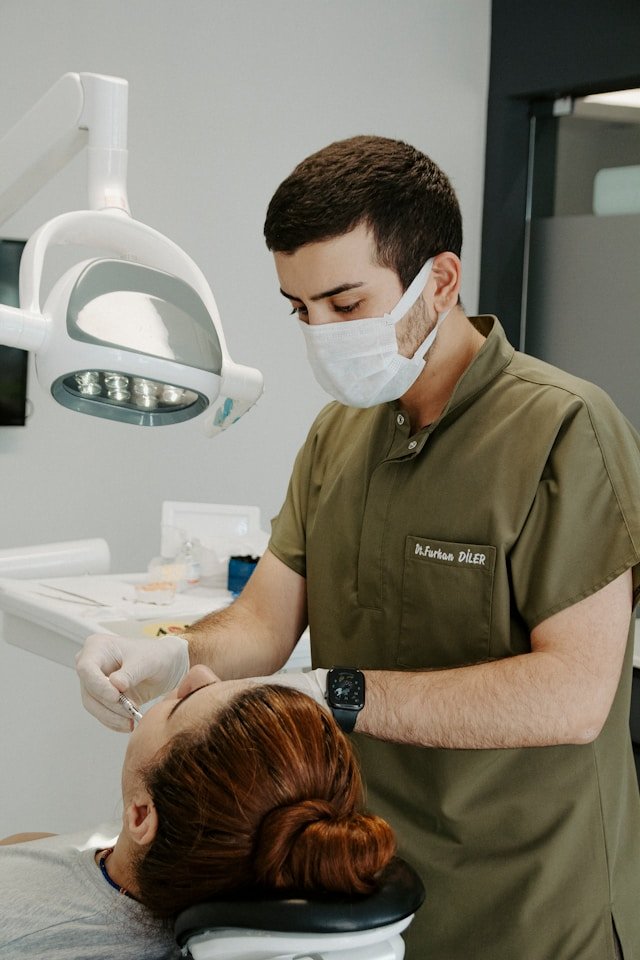
The latest survey from the American Association of Orthodontists reveals that almost 70% of patients feel unprepared for their initial consultation. This lack of preparedness often leads to longer appointments, incomplete evaluations, and postponed initiation of treatment. Although scheduling appointments digitally is more convenient than ever, the time between booking and the actual consultation can leave some patients unsettled.
This unpreparedness impacts not just the efficiency of the appointment, but also the opportunity for patients to communicate their concerns, ask pertinent questions, and acquire the details necessary for making informed treatment choices. For families evaluating orthodontic care—especially those liaising with insurance or weighing various treatment options—arriving well-prepared can mean the distinction between a clear treatment strategy and prolonged uncertainty.
The initial consultation lays the groundwork for your orthodontic experience, guiding you from diagnosis through to the completion of your treatment. Familiarizing yourself with the steps before, during, and after the consultation can turn a potentially daunting experience into a constructive first move towards achieving your treatment objectives.
The Importance of Preparation for Your Consultation
While many perceive the orthodontic consultation as merely an appointment to assess and provide a quote, it actually serves as a comprehensive diagnostic evaluation that shapes your treatment strategy. The insights you share and the inquiries you pose during this initial visit significantly affect how your orthodontist will manage your case.
For example, if a teenager’s parents mention ongoing jaw clicking during the consultation, this information could lead to a treatment approach that addresses both alignment and jaw functionality. Conversely, if this detail isn’t mentioned, the need for additional follow-ups later on could arise when the jaw issue begins to interfere with the treatment.
Preparation ensures that crucial details are not missed.
This consultation is also your chance to assess both the orthodontic practice and practitioner. You’re not just receiving a diagnosis; you’re also evaluating whether the provider understands your concerns, communicates effectively, and offers treatment methods that resonate with your preferences. Patients who come equipped with specific questions often leave with a clearer understanding of whether they’ve found the right orthodontic professional.
From a pragmatic standpoint, being prepared drastically minimizes delays in treatment. When patients present comprehensive information about their dental history, current issues, and preferences, orthodontists can deliver more detailed treatment plans and accurate timelines during the first visit. This efficiency is particularly beneficial when accommodating treatment around school schedules or significant life events.
Preparation also streamlines insurance-related discussions.
By grasping your insurance coverage prior to the consultation, you can pose specific questions about treatment timelines, payment options, and necessary pre-authorizations. Many families find it advantageous to discuss how different treatments align with their insurance coverage early on, rather than after the treatment decisions have been made.
Efficient Appointment Booking and Scheduling
Setting up your orthodontic consultation involves more than merely finding an open time slot. Many contemporary practices provide online booking tools that guide you through the process, but knowing what information you’ll need in advance can enhance the experience.
When you schedule an orthodontic consultation online, you will typically fill out forms concerning your main concerns, dental history, and insurance information. Ensuring you have these details, such as your insurance member ID, group number, and dental carrier’s name, handy can minimize the need for follow-up calls that might further delay your appointment confirmation.
Timing considerations extend beyond your personal schedule.
For children and adolescents, orthodontists often suggest scheduling consultations during certain developmental phases. If booking for a child, noting their age and any past dental work aids the scheduler in recommending the best time for the appointment. Some practices may also have varying consultation lengths depending on the complexity of individual cases, so briefly outlining your primary concerns during booking ensures sufficient time is allocated.
Prior to your appointment, insurance verification typically takes place, but you can speed up this process by providing accurate information during booking. Many practices can ascertain coverage levels and co-pay requirements within a day or two of receiving complete insurance details upfront, allowing for more comprehensive treatment and payment discussions during the consultation itself.
Considerations related to location and specific providers are also significant during booking. Some orthodontists focus on particular types of treatments or age groups, so mentioning your specific treatment interest—whether it’s traditional braces, clear aligners, or early interventions—can help you connect with the most suitable provider. This becomes particularly important for more complicated cases or when treatment preferences are already in place.
The confirmation of your booking will generally be accompanied by pre-appointment instructions, necessary forms to fill out, and items to bring for your consultation. Thoroughly reviewing these details helps prevent delays and ensures you arrive fully equipped for the examination process.
What to Anticipate During the Orthodontic Consultation
The orthodontic consultation comprises a structured evaluation aimed at thoroughly assessing your oral health, bite functionality, and treatment requirements. Understanding each segment allows you to engage more effectively and ensures you make the most of the appointment.
The opening discussion typically revolves around your main concerns and treatment aspirations.
Your orthodontist will inquire about specific issues you’ve noticed—such as crowding, spacing, bite discrepancies, or jaw pain—along with how these issues impact your daily life. This dialogue directly affects which diagnostic procedures are prioritized and how treatment options are ranked.
Following that is the clinical examination, which involves both visual inspections and hands-on evaluations. The orthodontist will examine the alignment of your teeth, the relationship of your bite, jaw functionality, and facial contours. You might need to demonstrate different biting positions or jaw movements for the orthodontist to observe.
Diagnostic imaging techniques vary according to the complexity of each case.
Most consultations involve capturing digital images of your teeth and bite from various angles. X-rays may also be taken to assess root positions, the structure of jaw bones, and any impacted teeth. Some practices utilize 3D scanning technology to create accurate digital models of your teeth, eliminating the need for traditional impressions during the first visit.
After the clinical examination and imaging analysis, a discussion regarding treatment planning typically takes place. Your orthodontist will share their observations, highlight primary concerns needing correction, and present potential treatment strategies. This discussion is generally not a detailed treatment plan, which is usually reserved for follow-up appointments, but rather a broad overview of options and a preliminary timeline for consideration.
Discussions about costs and logistics commonly conclude the consultation. You’ll receive insights on treatment duration, frequency of appointments, insurance coverages, and payment methods. While exact costs may hinge on the specific treatment plan chosen, many practices provide written estimates during this meeting. Additionally, this conversation encompasses practical factors like school commitments, extracurricular activities, and any upcoming events that might impact treatment timing.
Essential Questions to Pose at Your Consultation
General Inquiries to Grasp Your Orthodontic Needs
Posing the right questions throughout your consultation is key to understanding your diagnosis, treatment options, and what to anticipate during the process. These general inquiries serve to lay the groundwork for informed decision-making.
Begin with diagnostic clarity: “What are the significant issues you have identified, and how do they impact my oral health or function?” This inquiry delves deeper than just cosmetic concerns to clarify the clinical rationale behind treatment recommendations. Many patients find that issues they considered minor crowding might actually influence their bite function or create maintenance challenges.
Gaining insight into your orthodontist’s background and methods affords valuable perspective on their treatment philosophy. Inquire about their experience with cases similar to yours, their preferred treatment options, and how they remain updated on advancements within the field of orthodontics. Orthodontists often possess specializations in particular age groups or treatment types, and recognizing their expertise assists in evaluating whether they are well-equipped to address your specific needs.
Questions concerning timelines help you organize your life around work, school, or social engagements. Ask about the approximate treatment duration relevant to your case, factors that could influence treatment duration, and how often you will be required to attend follow-up appointments. Being aware that treatment timelines can fluctuate based on patient compliance and individual variability can help set realistic expectations.
Insurance and financial matters warrant careful scrutiny during the consultation. Inquire specifically about which procedures are covered by your plan, whether pre-authorization is needed, and how the payment structure functions. Many practices present diverse payment options, and being informed at this stage helps mitigate surprises down the line.
Treatment-Specific Questions for Clarification on Options and Subsequent Steps
After comprehending your diagnosis and the general treatment approach, more detailed inquiries can assist in evaluating various treatment choices and their effect on daily life.
Inquiries concerning specific appliances should touch upon both efficacy and lifestyle implications. If there are multiple treatment options, such as traditional braces or clear aligners, ask about the pros and cons of each option tailored to your case. Certain types of alignment issues may be more responsive to specific appliances, while others might yield similar outcomes with differing compliance requirements.
Maintenance and care requirements can differ significantly among treatment options. Ask about daily hygiene practices, dietary restrictions, and protocols to follow in the event of appliance damage. Being informed about these requirements from the outset enables you to select treatment options in line with your lifestyle and the level of commitment you are willing to make.
Questions regarding emergency care and problem management prepare you for issues that may arise along the way. Inquire about what constitutes an emergency versus a minor annoyance, how quickly urgent situations can be addressed, and whether there’s a means of contact outside of regular office hours. Many orthodontic issues can wait until the next business day; however, being directed on when to seek urgent care helps alleviate unnecessary stress.
Post-treatment retention questions are often not given their due importance but are crucial. Inquire about retainer usage, the duration for which you’ll be required to wear them, and the implications of not following retention protocols. Understanding that retention is a continuous commitment helps prepare you for long-term success, viewing the end of treatment as just a step in ongoing orthodontic care.
Monitoring and adjustment timelines should also be part of the conversation. Ask how frequently adjustments will be necessary, what happens during routine visits, and how your progress will be monitored throughout the treatment phase. Some patients prefer regular check-ins with their orthodontic team, while others might find less frequent appointments more suitable for their schedules.
Next Steps After Your Orthodontic Appointment
The time immediately following your consultation is crucial for setting the stage for a successful treatment launch. Being aware of what comes next and the choices you’ll need to make promotes continuity and helps prevent delays in beginning your orthodontic care.
The timeline for making treatment decisions can differ based on the complexity of your case and the readiness of the patient. Some families may require more time to consider options, have discussions with loved ones, or sort through insurance specifics. Meanwhile, others might be ready to proceed right away. Most orthodontic practices are accommodating of both scenarios, but being informed about their scheduling patterns helps you prepare.
Insurance processing often involves additional actions after your consultation. If pre-approval is required for your treatment, this process typically spans 1-2 weeks. Some practices manage all communication regarding insurance, while others may require patient involvement for approval. Clarifying these duties during follow-up conversations can prevent delays and ensure treatment initiation as soon as you are prepared.
Once you decide to move forward, scheduling your treatment start date takes place typically after securing any necessary insurance approvals. Initial appointments for appliance placement often demand longer time slots than regular adjustments, and popular appointment times tend to fill up quickly. Many practices allow some leeway in scheduling, but knowing their standard lead times can help you plan around key commitments or upcoming events.
Preparation prior to treatment may encompass additional dental procedures or particular instructions in the days leading up to appliance placement. Certain patients may need cleanings, fillings, or other dental care before beginning orthodontic treatment. Additionally, specific dietary or medication recommendations might be provided to ensure optimal conditions for appliance placement.
Transitioning from consultation to active treatment is a pivotal phase in your orthodontic journey. Many successful patients find that the time and effort devoted to thorough preparation and asking pertinent questions during the consultation phase greatly benefits their treatment experience. The objective of your orthodontic team is to facilitate a smooth and predictable progression, but your active engagement in preparation significantly contributes to achieving that aim.
Recognizing that orthodontic treatment is a collaborative journey—requiring ongoing communication, adherence to guidelines, and realistic expectations—positions you for the best possible outcomes related to your investment in oral health and overall function.

Add Your Comment Cancel reply