

Recent statistics from the American Sleep Association indicate that about 10% of adults and 15% of children grind their teeth at night. However, the consequences extend well beyond merely damaging teeth. As research in sleep medicine indicates a stronger correlation between nighttime bruxism and overall sleep quality, what might seem like a trivial habit is increasingly acknowledged as a major hindrance to restorative sleep. The clenching and grinding during slumber not only erodes tooth enamel but also disrupts sleep cycles, diminishes REM sleep, and causes individuals to wake up feeling drained, even after a full night in bed.

For the millions of individuals who experience nighttime teeth grinding, it’s not just a matter of dental preservation; it’s fundamental to restoring sleep quality. It’s critical to grasp how this nighttime behavior functions, its underlying causes, and effective solutions to counteract it to differentiate between sleepless nights and true rejuvenation.
The Relationship Between Teeth Grinding and Sleep Disturbance
Teeth grinding acts as an internal alert mechanism that keeps the brain from achieving true deep sleep. Normally, the jaw muscles relax during sleep; however, grinding keeps them engaged throughout the night, repeatedly contracting and relaxing in a way that is perceived by the brain as ongoing stress.
The act of grinding sets off a chain of physiological reactions that hinder restful slumber. Each grinding occurrence can cause micro-awakenings in the brain, brief moments when the nervous system jolts in response to muscle activity. Though you might not recall these interruptions in the morning, they disrupt your ability to progress naturally through the deeper phases of sleep, where vital bodily restoration occurs.
Studies from sleep research facilities have shown that individuals who grind their teeth experience significantly less REM sleep and spend a greater amount of time in shallower sleep stages. This accounts for why habitual teeth grinders often rise feeling fatigued, even after what appears to be a full night’s rest. Additionally, the muscle tension resulting from grinding can inhibit airflow, leading to a mild form of sleep-disordered breathing that exacerbates the situation.
Telltale morning symptoms include jaw pain, fatigue in facial muscles, and headaches that result directly from hours of involuntary muscle strain. Many find their sleep partners commenting on the audible grinding, which can be loud enough to disturb someone nearby. This results in a secondary issue of sleep disruption, impacting both individuals sharing the bed.
What complicates matters is that grinding often escalates during times of stress or anxiety, which are precisely the moments when restful sleep is most critical for recovery.
Identifying Symptoms and Risk Factors for Teeth Grinding
Signs That Indicate Teeth Grinding
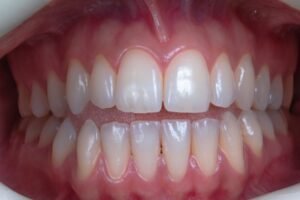
An obvious indicator often comes from feedback by a sleeping partner who hears the grinding noises, yet many individuals grind quietly or live alone. Physical symptoms serve as the clearest evidence: waking up with jaw discomfort, tightness in facial muscles, or tension headaches focused around the temples and jaw. Observable dental signs may consist of worn, flattened, or chipped edges on teeth, particularly the molars that endure the most grinding pressure.
Who Is Most Vulnerable to Teeth Grinding and Why It Begins
Stress and anxiety are central triggers of grinding, often increasing during stressful job situations, relationship challenges, or significant life changes. Sleep disorders such as sleep apnea also elevate the risk of grinding, along with the intake of caffeine or alcohol close to bedtime. Certain medications, particularly some antidepressants, may provoke or exacerbate grinding behaviors.
Children frequently develop teeth grinding, which can persist into adulthood; however, it can also manifest in later life due to new stressors or disruptions in sleep. Individuals with competitive or controlling traits are reported to grind their teeth at night more frequently, indicating that an inability to relax mentally before bed significantly influences this condition. Additionally, there appears to be a familial component to teeth grinding, suggesting both genetic factors and learned behaviors.
Different age groups present varying risk profiles—children often outgrow grinding as their jaw develops, while adults typically require proactive intervention to alter the behavior. Notably, women have higher rates of nighttime grinding than men, especially during hormonal fluctuations such as pregnancy or menopause.
Impacts of Teeth Grinding on Dental Health, Jaw Muscles, and Overall Well-Being
The long-term dental repercussions of chronic grinding can be difficult and costly to remedy. Continuous pressure wears down enamel, the outer protective layer of teeth, which does not regenerate once lost. This leads to multiple downstream issues, such as increased sensitivity to hot and cold, greater susceptibility to cavities, and potential requirements for crowns or other restorations.
The temporomandibular joint (TMJ), which connects the jaw to the skull, undergoes tremendous stress from grinding, often exceeding the normal pressures associated with chewing by tenfold. Over time, this consistent force can erode the joint’s cartilage and lead to chronic TMJ disorders—characterized by a clicking jaw, restricted mouth opening, and persistent facial pain that can persist outside of sleep hours.
Grinding can also strain facial and neck muscles, causing the masseter muscles that control jaw movement to become perpetually tense and enlarged due to excessive nighttime activity. This tension leads to headaches, neck stiffness, and potentially even shoulder pain, which individuals may not associate with their nighttime grinding habits.
Perhaps most alarmingly, the sleep interruptions resulting from grinding have broader health implications. Low-quality sleep can detrimentally impact immune function, cognitive abilities, and emotional stability. Those who grind their teeth are often caught in a cycle where stress initiates grinding, which in turn disrupts sleep, leading to increased stress sensitivity, and subsequently more grinding.
Financially, the repercussions add up over time. Dental repairs to address grinding damage can reach thousands of dollars, and the chronic disruption of sleep can impair one’s work performance, relationship dynamics, and overall quality of life in ways that extend far beyond just the bedroom.
Natural Strategies and Lifestyle Adjustments to Alleviate Teeth Grinding
Managing stress is crucial for most effective natural strategies aimed at reducing teeth grinding. Since the habit typically escalates during high-stress incidents, addressing root causes can notably reduce nighttime activity. Techniques like progressive muscle relaxation practices before bed can help retrain the body to dissipate the muscle tension that leads to grinding. This technique involves sequentially tensing and relaxing different muscle groups throughout the body, focusing attentively on the jaw and facial muscles.
Establishing a wind-down routine is essential to signal the nervous system to shift from daytime alertness to restful sleep readiness. This may include gentle jaw stretches, applying warm compresses to the jaw, or sipping herbal teas like chamomile known for their mild muscle-relaxing effects. Many individuals find that dedicating 10-15 minutes to such activities before bed dramatically helps lessen the severity of grinding episodes.
Dietary choices and timing can profoundly influence grinding patterns. Avoiding caffeine after 2 PM and refraining from alcohol for three hours prior to sleep can mitigate sleep disruptions that may provoke grinding. Some individuals see benefits from magnesium supplements, as this mineral aids muscle relaxation and stress management, though it’s advisable to consult a healthcare provider before starting any new supplement regimen.
Altering sleep positions and enhancing the sleeping environment can also be beneficial. Opting to sleep on your back, rather than on your side, can reduce jaw compression that might encourage grinding. Keeping an optimal room temperature and humidity level can prevent sleep disruptions that may raise grinding incidents. White noise machines or earplugs can help both the grinders and sleeping partners attain improved sleep quality.
Being mindful of daytime jaw habits can significantly decrease the muscle tension that carries over into nighttime grinding. This awareness includes paying attention to involuntary clenching, excessive gum chewing, or other unconscious jaw positions while being proactive in maintaining relaxed facial muscles throughout the day.
Treatment Strategies for Effectively Managing Teeth Grinding
Night guards remain the most common and immediate solution for protecting teeth from damage due to grinding. Custom-fitted guards, created by dental professionals, provide superior protection and comfort compared to over-the-counter alternatives. These devices serve as a barrier between the upper and lower teeth, mitigating direct contact that causes enamel erosion while often diminishing the severity of grinding motions.
For those in search of the best night guard treatment in Woodcliff Lake, a professional evaluation guarantees a proper fit and suitable material selection according to individual grinding patterns and severity. Investing in a custom guard is usually advantageous, as it can prevent the costly dental repairs that grinding might necessitate.
Physical therapy techniques address the muscle dysfunction that both contributes to and results from grinding behaviors. Targeted exercises can retrain the jaw muscles, alleviating tension, and improving the function of the jaw joint. Many individuals find relief from massage therapy that focuses on the facial and neck muscles, especially when combined with stress-reduction practices.
Cognitive-behavioral therapy has shown promising outcomes for individuals whose grinding is closely linked to stress, anxiety, or sleep disorders. This approach assists in identifying and altering thought patterns and behaviors fueling tension and sleep disruption. Biofeedback methods can help individuals become more aware of jaw muscle tension, enabling them to consciously manage it.
When grinding is related to underlying sleep disorders, such as sleep apnea, resolving the main condition often reduces grinding intensity. Sleep studies can uncover breathing irregularities, movement disorders, or other factors that interrupt sleep and elevate the risk of grinding.
In more severe cases, practitioners might explore muscle relaxants or other medications; however, these are typically considered temporary solutions as other interventions take effect. The primary focus should always be on addressing the underlying causes rather than merely suppressing symptoms.
Successful treatment usually involves a combination of strategies—utilizing a guard while concurrently focusing on stress management, sleep hygiene, and addressing any underlying health issues that contribute to the grinding behavior. Many individuals notice improvements within a few weeks of beginning a comprehensive treatment plan, although altering long-standing grinding habits typically requires sustained effort over several months.


Add Your Comment Cancel reply