
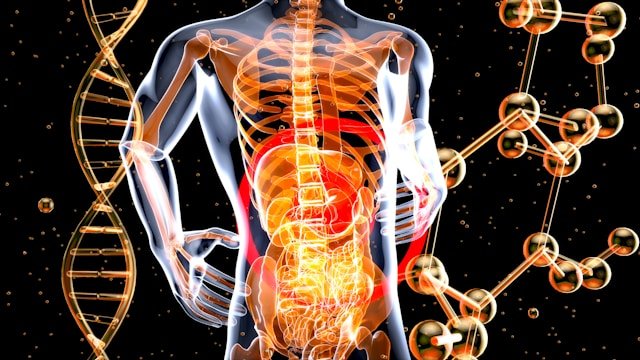
The human gastrointestinal tract is home to approximately 100 trillion microorganisms — hosting more bacterial cells than human ones throughout the body, as reported by the National Institute of Health’s 2024 research on the microbiome. Despite the significant role this extensive bacterial community plays in various bodily functions, from digestion to emotional well-being, many are still unaware that modern medicine can now directly influence and enhance these microbial populations through tailored treatments. With an increasing number of gastroenterology clinics in Nevada providing microbiome-focused therapies, Reno is being recognized as a leading center for these progressive interventions.
For those facing ailments such as recurrent C. difficile infections, inflammatory bowel diseases, or forms of depression that resist standard treatment, gaining insight into how microbiome therapy operates — especially Fecal Microbiota Transplant (FMT) in Reno, NV — is progressing from theoretical interest to a viable treatment option. The science behind these methods reveals frameworks that contest traditional treatments for gut health and mental wellness, providing new hope where conventional strategies have proven inadequate.
Mechanism of Fecal Microbiota Transplant in Reno
FMT follows a straightforward premise: facilitating the introduction of beneficial bacterial communities from a meticulously vetted donor to a patient’s disrupted digestive system. The process initiates with extensive donor screening that surpasses the criteria for blood donation — prospective donors must undergo comprehensive testing for infectious diseases, metabolic disorders, and recent antibiotic intake that could affect microbiome balance.
In clinical environments in Reno, the FMT preparation entails treating collected stool in sterile lab settings, where health professionals mix the sample in saline and eliminate solid material while retaining viable bacterial communities. This concentrated mixture includes a diverse range of microbial species, collaborating to reinstate normal digestive functions — an effect unattainable with singular probiotic strains.
The transplantation method is tailored according to the patient’s condition and tolerance levels. Most healthcare providers in Reno utilize colonoscopy for delivery, allowing for targeted deposition of the microbiome solution into the large intestine, where it can most effectively colonize. Alternative techniques may consist of upper endoscopy or oral encapsulated delivery, though the latter typically demands several doses to achieve similar colonization success.
FMT’s strength lies in its capability to restore microbial diversity compromised by factors such as repeated antibiotic use or chronic health issues. A healthy gut usually harbors between 500 and 1,000 different bacterial species, but individuals suffering severe dysbiosis may contain fewer than 50. The donor microbiome effectively “seeds” the barren environment with the intricate bacterial interactions needed for adequate digestion, immune response, and even neurotransmitter production. Facilities providing Fecal Microbiota Transplant (FMT) in Reno, NV adhere to stringent protocols, ensuring safety and efficacy during the restoration process.
Post-transplant care requires diligent observation as the introduced bacteria assert dominance over harmful species, frequently leading to noticeable enhancements in digestive symptoms within a matter of days to weeks.
Microbiome Therapy Methods
Microbiome therapy comprises various targeted methods, each aiming to restore different elements of gut health. Fecal microbiota transplant functions as the most thorough intervention, providing complete microbial communities that can help sustain normal digestive ecology in severely impaired patients. This method is particularly effective for conditions that involve substantial bacterial imbalance or infections resistant to antibiotics.
Targeted probiotic therapy leverages specific bacterial strains chosen for their unique therapeutic properties. In contrast to FMT’s broad approach, targeted probiotics are more applicable to mild to moderate gut health issues or as a supportive treatment after more intense therapies, usually focusing on 5-10 carefully selected strains rather than the hundreds included in FMT.
Prebiotic therapies adopt a different strategy by enhancing the growth of beneficial bacteria already present in the gut. These fiber-rich substances nourish healthy microbes, facilitating their proliferation while depriving harmful species of the nutrients they rely on, such as simple sugars found in processed foods.
Combination therapies represent the innovative edge of microbiome medicine, with practitioners designing sequential interventions for optimal outcomes. A standard regimen may commence with targeted antimicrobial treatments to diminish harmful bacteria, followed by FMT to reintroduce beneficial communities, and ending with prebiotic support to uphold the achieved balance.
Comparing Fecal Microbiota Transplant and Probiotics
The main difference between FMT and probiotics lies in their scope and complexity. Conventional probiotic supplements generally contain 1-20 bacterial strains, predominantly *Lactobacillus* and *Bifidobacterium* species that endure commercial processing and shelf conditions. These strains may offer modest contributions to overall digestive health but lack the requisite diversity needed to rectify significant microbiome disturbances.
Conversely, FMT supplies 500-1,000 distinct bacterial species in their natural proportions and interrelations. This complexity supports the reinstatement of important bacterial interactions unattainable with single-strain probiotics. While probiotics predominantly operate in the small intestine, offering temporary relief, FMT bacteria colonize the entire digestive system and generate enduring changes within the gut environment.
These distinctions also reflect in their clinical applications. Probiotics are effective for preventing antibiotic-related diarrhea or enhancing general digestive health, but they may not suffice in handling severe cases like recurrent *C. difficile* infections or serious inflammatory bowel diseases. FMT tackles such intricate disorders by effectively “resetting” the entire microbiome rather than simply supplementing individual bacterial elements.
Additional Microbiome Treatments Beyond FMT and Probiotics
Precision microbiome therapy employs advanced diagnostic testing to uncover specific bacterial deficiencies in patients, subsequently targeting those gaps with tailored microbial blends. This approach merges the specificity of targeted probiotics with some diversity benefits from FMT, although it demands advanced laboratory facilities currently found in select locations.
Diet-induced microbiome modulation focuses on gradually altering dietary habits to reshape bacterial populations over time. Specific dietary strategies can promote beneficial bacteria such as *Akkermansia* or limit inflammatory species, though achieving stability typically requires months of adherence to these changes.
Antimicrobial cycling uses natural substances like berberine or oregano oil to lower harmful bacterial levels before introducing advantageous microbes. This strategy recognizes that simply introducing good bacteria into a pathogen-dominated environment often fails without prior clearance to allow beneficial organisms to establish.
Clinical Evidence and Efficacy of Microbiome Therapy
Substantial clinical evidence underscores FMT’s effectiveness for recurrent *Clostridium difficile* infections, with success rates consistently exceeding 90% as demonstrated by multiple randomized controlled trials published in prominent gastroenterology journals. A meta-analysis published in the *American Journal of Gastroenterology* in 2023 illustrated that FMT achieved a 92% cure rate for patients who had failed standard antibiotic interventions, versus a mere 26% success with ongoing antibiotic therapy.
Concerning inflammatory bowel diseases, the research findings are more varied. A study featured in *Gastroenterology* in 2024 reported that FMT induced clinical remission in around 40% of ulcerative colitis cases, with optimal outcomes often observed in recently diagnosed patients rather than chronic, resistant diseases. The therapy appears to be most beneficial when accompanied by dietary changes and anti-inflammatory strategies rather than utilized in isolation.
Emerging applications in mental health are presenting encouraging yet preliminary findings. A 2023 study conducted by the University of California monitored 60 individuals undergoing FMT for treatment-resistant depression and found that 45% experienced considerable mood improvements within eight weeks. However, researchers noted that individuals exhibiting concurrent digestive symptoms had better response rates than those experiencing depression alone, indicating that the gut-brain axis may function optimally when digestive issues are present.
The longevity of microbiome therapy’s benefits varies greatly depending on specific conditions and individual patient characteristics. For *C. difficile* infections, successful FMT often results in permanent resolution. However, patients with inflammatory ailments may necessitate maintenance treatments every 6-12 months to retain their therapeutic advantages, especially if underlying dietary or lifestyle factors remain unaddressed.
Safety, Side Effects, and Common Misunderstandings
FMT is generally considered safe when executed in clinical environments with appropriate donor evaluation, though potential risks warrant consideration. Common immediate side effects include mild gastrointestinal discomfort, bloating, and transient alterations in bowel patterns, which usually resolve within 48-72 hours. Serious complications remain infrequent but could involve aspiration pneumonia during sedated procedures or the transmission of antibiotic-resistant bacteria if donor screening is insufficient.
Most crucially, long-term implications raise significant concerns that remain inadequately understood by researchers. As FMT essentially modifies the recipient’s microbiome permanently, ongoing studies are investigating whether these alterations may influence susceptibility to diseases in the long run. Current evidence indicates that the benefits generally overshadow risks for severe conditions like recurrent *C. difficile*, but the risk-benefit calculus becomes more complex for less critical digestive issues.
A prevalent myth likens FMT to a “natural” remedy akin to taking probiotics. In truth, FMT is a complex medical procedure that fundamentally reshapes biological processes. The bacteria introduced via FMT do not merely enhance existing gut flora; they actively compete with and often replace native microbes, effecting permanent transformations in digestive and immune system functions.
Another common misconception is the belief that FMT provides immediate solutions for all gut-related issues. While individuals with *C. difficile* infections may often witness swift improvements, disorders such as irritable bowel syndrome or inflammatory bowel disease may take weeks or months for pronounced results. Some patients might experience temporary worsening of symptoms as bacterial populations rebalance, leading to premature cessation of treatment.
The notion that “more diversity is always beneficial” simplifies the complexities of microbiome health. Although diversity generally correlates with well-being, certain patients may achieve better outcomes through targeted reductions in specific bacterial populations rather than indiscriminate increases. Successful microbiome therapy hinges on accurately understanding individual bacterial imbalances instead of applying a one-size-fits-all enhancement of diversity.
Advantages of Microbiome Therapy for Digestive and Mental Health
The benefits of microbiome therapy extend beyond mere symptom relief, promoting significant improvements in gut barrier integrity and immune function. Patients afflicted by inflammatory bowel disease frequently experience decreased intestinal permeability — the “leaky gut” effect that permits bacterial toxins to enter the bloodstream, resulting in systemic inflammation. FMT aids in restoring the tight junction proteins connecting intestinal cells, effectively mending the gut’s protective barrier.
When addressing irritable bowel syndrome, microbiome therapy tackles the dysregulated bacterial metabolism associated with gas production, irregular bowel movements, and heightened visceral sensitivity. Normalized bacterial balance typically reduces both the severity and occurrence of IBS episodes, enhancing tolerance towards previously problematic foods as healthy microbes restore appropriate digestive enzyme activity.
The link between gut health and mental well-being operates through various mechanisms that researchers are still delineating. Certain gut bacteria synthesize neurotransmitters — specifically GABA, serotonin, and dopamine — that affect mood, anxiety levels, and cognitive functions. FMT can rejuvenate populations of these psychobiotic bacteria in individuals whose microbiomes have been compromised by stress, antibiotic use, or poor dietary choices.
Beyond neurotransmitter synthesis, the gut-brain axis involves intricate immune signaling pathways that influence mental health. Inflammatory bacteria in the gut generate lipopolysaccharides and other substances that can provoke brain inflammation linked to depression and anxiety. Microbiome therapy can recalibrate this inflammatory balance, lowering systemic inflammation markers and potentially fostering better mood regulation.
Emerging research on microbiome therapy reveals potential treatment avenues that go far beyond the traditional approach of organ-system medicine. As healthcare providers in Reno, as well as across the country, gain practical experience with these therapies, the application of microbiome interventions in addressing multifaceted, systemic conditions continues to evolve. For those considering these options, a clear understanding of both the substantial promise and existing limitations is crucial for setting realistic expectations for what may become a groundbreaking aspect of medical treatment.

Add Your Comment Cancel reply