
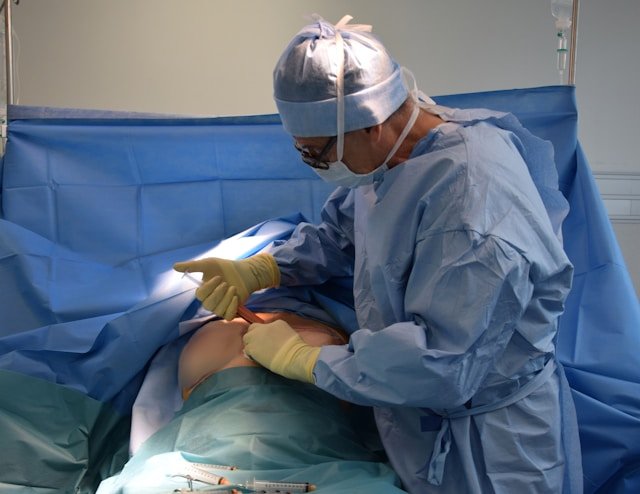
Initially, many individuals perceive breast augmentation as merely an enhancement of size. They envision a fuller silhouette, improved proportions, and a different fit for their clothing. However, as research into the procedure deepens, the concept of “before and after” evolves into a broader narrative: it encompasses a journey that unfolds over time.
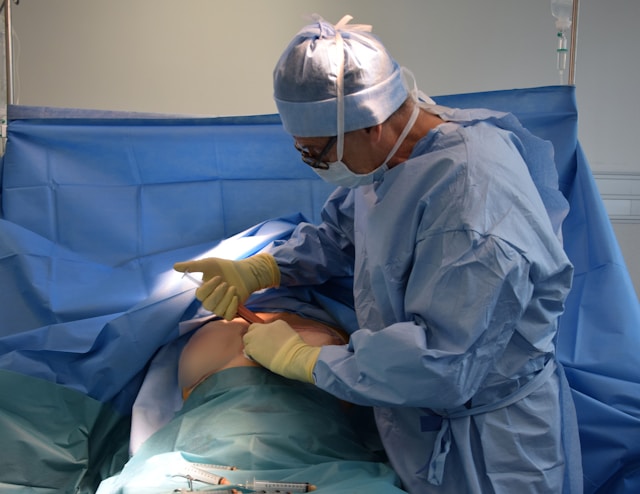
In cities like Boston, where personal style and self-assurance interlink, many individuals navigate this choice with a blend of enthusiasm and trepidation. There is a desire for change, but also a wish for the outcome to feel authentic: natural, proportionate, and free from unwelcome attention.
The reality is that post-surgery transformations go beyond visual changes captured in photographs. Some are physical adjustments, while others are subtle shifts in self-perception and demeanor. Here’s a closer look at the typical journey from pre-surgery to post-surgery.
1. Your Desired Size May Shift After Consultation
Before undergoing the procedure, it’s common for individuals to fixate on specific metrics, like a cup size, a reference image, or an ideal appearance. This becomes the baseline of their expectations.
However, after a thorough consultation, these initial thoughts tend to evolve. Factors like chest width, skin elasticity, and existing breast tissue inform what will truly look harmonious with one’s physique. What was once deemed the “ideal size” might now feel either too large or too small as these elements come into play.
During consultations for breast augmentation in Boston, patients frequently discover that their expectations transform as they comprehend how their bodies influence the final outcome. Agencies like the Boston Center for Plastic Surgery clarify that choices regarding implant size, placement, and profile rely on anatomical considerations rather than personal preference alone. This methodology often leads to results that feel genuinely natural rather than merely noticeable.
2. Breasts Appear More Plump and Structured
Prior to surgery, many individuals express that their breasts lack volume, particularly in the upper section. Some notice a deflated appearance that follows weight loss, pregnancy, or simply the passage of time.
Following augmentation, the transformation is not solely about size; the breasts often look fuller, exhibiting more structure and improved volume distribution. The upper pole may appear rounder, enhancing the overall contour.
This change in shape can be more pronounced than the size increase itself. Clothing tends to fit differently, and fitted tops often feel more proportionate. Posture may also subtly improve due to the new alignment. Such changes become evident in daily life, not just through before-and-after photos.
3. Initial Results Are High and Settle With Time
Immediately after the surgery, the result may be surprising. The implants often sit higher on the chest, and the breasts can feel firmer or tighter, making it difficult for patients to see the desired outcome at this stage.
As time progresses, the implants naturally settle into a more realistic position, and the shape becomes less rigid. This adjustment can take several weeks or even months, depending on the individual.
Before undergoing surgery, one might expect to see immediate results. The reality, however, reveals that the transformation occurs over stages. Data reflect that breast augmentation is among the most frequently performed cosmetic procedures, and part of the experience lies in recognizing this gradual evolution. Once everything finds its place, the results are likely to align more closely with the original vision.
4. Movement Feels Unique Before Normalcy Returns
Prior to surgery, your body is accustomed to a certain way of moving. There’s no additional weight or altered distribution, leading to a familiar sensation.
Post-augmentation, an adjustment phase ensues. Initially, movements may feel tight or slightly confined. Sleep positions may require modification, and certain activities may need acclimatization.
Eventually, your body adjusts to the new state. What once felt unusual gradually becomes normalized. Most individuals revert to their regular routines and often don’t notice the implants in their everyday movements.
This aspect of change is often overlooked by those undergoing the procedure. While it may seem minor, the shift is significant, fading as your body becomes accustomed to the new form.
5. Confidence Shifts From Daily Preoccupation
Before surgery, individuals may focus on what they feel is lacking in their appearance. This might manifest itself during dressing, when looking in the mirror, or while comparing their figures to an imagined ideal.
After the augmentation, that fixation tends to diminish. The change is often subtle and unfolds quietly. People tend to dress with less overthinking and feel more comfortable in their own skin.
However, this transformation doesn’t occur in an instant. Over time, the concerns that once seemed pervasive become less significant.
Research indicates that satisfaction rates following breast augmentation are consistently high, often exceeding 90 percent. This satisfaction is generally linked to a shift wherein the outcome mirrors how individuals perceive themselves, transcending mere appearance.
Conclusion
Breast augmentation is about more than just an increase in size. It alters your body’s appearance, how it feels, and even influences your everyday movements.
What’s notable is that the “before and after” is not merely a direct transition from one appearance to another; it represents a series of changes, some overt and some nuanced, that develop gradually.
When expectations are aligned with what is achievable and when the procedure is tailored to fit your individual anatomy, the final outcome often feels less like a dramatic transformation and more like a natural extension of your identity.

Add Your Comment Cancel reply