
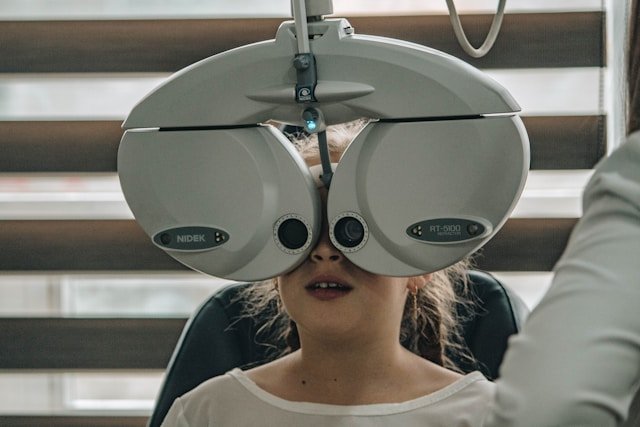
The National Eye Institute has reported that as of 2023, more than 21 million individuals in the U.S. experience vision loss. Alarmingly, nearly half of blindness and visual impairment cases are preventable through early detection and appropriate treatment. With the rising dependence on digital devices influencing daily eye usage and the increased risk factors for eye conditions like glaucoma and macular degeneration in North Dakota’s aging population, the necessity for timely eye examinations has never been more crucial. For Bismarck residents and those in neighboring areas, knowing what occurs during an eye exam and understanding when to book one can significantly influence long-term vision health and the ability to avoid unforeseen vision challenges that could disrupt daily living.
The Importance of Early Detection in Eye Health Today
Recent years have seen significant shifts in the landscape of eye health, propelled by changes in demographics and lifestyle elements that were previously overlooked by optometrists. For example, consider a person in their early forties who spends eight hours a day in front of a computer, then switches to a smartphone in the evening; their eyes are under immense strain, often leading to fatigue that can obscure early indicators of more serious eye conditions.
The stealthy nature of many eye diseases is concerning, as numerous sight-threatening conditions can develop silently in their initial phases. Take glaucoma, known as the “silent thief of sight,” which can significantly diminish peripheral vision before symptoms even manifest. Likewise, diabetic retinopathy may inflict damage on retinal blood vessels years before any alteration in vision is detected. Often, by the time a person notices changes in their vision, the disease has progressed to a stage where treatment can no longer fully recover the loss.
The economic implications compound the health ramifications. Advanced eye diseases do not merely impact sight; they also influence earning capacity, independence, and overall quality of life, affecting families and communities. An individual who suffers significant vision loss due to untreated glaucoma may find themselves needing to modify their living arrangements, shift careers, or rely on ongoing help for daily tasks. Such scenarios can be significantly mitigated through routine exams that identify conditions during their early and manageable stages.
The rural nature of North Dakota further complicates the issue. Many individuals must travel large distances to receive specialized eye care, making it tempting to postpone eye exams until symptoms are unmistakably evident. Unfortunately, this often leads to seeing the optometrist after the primary window for effective treatment has closed. Regular preventive care becomes even more vital in regions where emergency eye services are not immediately accessible.
How Eye Exams Facilitate Early Detection
Eye examinations today have greatly advanced beyond the basic vision tests many recall from school. Contemporary comprehensive eye exams utilize cutting-edge technology to assess the inner workings of the eye, providing detailed insights into eye health and uncovering issues much earlier than traditional methods.
Optical coherence tomography (OCT) scanning exemplifies a major breakthrough in early detection. This innovative technology employs light waves to generate cross-sectional images of the retina, enabling optometrists to gauge the thickness of retinal layers accurately. Variations in these measurements often hint at the early stages of macular degeneration or diabetic eye issues, potentially years before conventional methods could reveal any problems. The scan is quick and similar in feel to getting a photo taken of your eye.
Digital retinal photography produces high-resolution images of the eye’s rear, creating a persistent record that allows for comparisons over time. Subtle shifts in blood vessel structures, optic nerve appearance, or retinal pigmentation can be identified when current images are compared with past ones. This technology is particularly beneficial for monitoring patients with diabetes, hypertension, or family histories of eye disease, as it helps track gradual progression that might otherwise go unnoticed.
Techniques for measuring pressure have advanced past the traditional uncomfortable “air puff” test. Goldmann applanation tonometry and modern non-contact methods offer more accurate assessments of intraocular pressure, an essential marker for glaucoma risk. However, current glaucoma evaluations extend beyond just pressure, incorporating visual field testing that maps peripheral vision and optic nerve analysis focusing on the health of nerve fibers that transmit visual signals to the brain.
Patients with diabetes undergo specialized assessments that scrutinize retinal blood vessels for the microaneurysms, hemorrhages, and vessel alterations that characterize diabetic retinopathy. When collaborating with a top optometrist in Bismarck, these evaluations often incorporate fluorescein angiography for more complex scenarios, using a safe dye that enhances blood flow patterns and highlights retinal damage not visible through standard examination techniques.
The examination process also assesses the focusing system of the eye, tear production, and overall eye coordination—elements that may indicate health issues beyond ocular health. Changes in pupil reaction, eye movement patterns, or ability to focus can sometimes offer early warnings about neurological conditions, autoimmune disorders, or other systemic health concerns.
Understanding Routine vs. Comprehensive Eye Exams
Distinguishing between routine and comprehensive eye examinations is vital for patients to make informed choices regarding their eye care needs and the timing for those examinations. While both types are important for maintaining eye health, they differ in their focus, depth, and diagnostic capability.
Routine eye exams generally concentrate on vision correction needs and basic eye health checks. These exams typically encompass visual acuity testing, refraction for prescription updates, and a simple evaluation of external eye health. A routine appointment usually lasts 30-45 minutes and addresses immediate vision issues like reading difficulties, digital eye strain, or prescription modifications. Such exams are effective for younger patients without known eye health risks and serve as checkup visits for established patients with stable eye health.
Comprehensive eye examinations involve thorough diagnostic procedures and an in-depth evaluation of the internal structures of the eye. These visits generally span 60-90 minutes and include dilated pupil examinations, detailed retinal assessments, glaucoma screenings, visual field testing, and often advanced imaging technologies. Comprehensive exams are recommended for new patients, individuals with diabetes or other systemic issues, those with family histories of eye diseases, and anyone over 40 experiencing early signs of age-related vision changes.
A notable difference between the two is the dilation process, where eye drops temporarily enlarge pupils. While some patients may dislike the temporary light sensitivity and difficulty reading that dilation causes, it allows optometrists to view peripheral retinal areas where many serious sight-related conditions first emerge. Non-dilated exams can effectively assess central vision but risk overlooking early signs of retinal detachment, peripheral diabetic changes, or initial glaucoma damage.
The recommended examination frequency varies based on the examination type and specific individual risk factors. While routine exams may be conducted annually for stable patients, comprehensive evaluations are commonly suggested every one to two years for adults over 40, annually for those with diabetes, and more regularly for patients with documented eye conditions or strong family histories of eye diseases.
Cost disparities usually reflect the investment of time and technology required. Although comprehensive exams may be pricier upfront, they have the potential to prevent costly treatments later by identifying issues early. Insurance reimbursement can vary, with many plans covering comprehensive exams as preventive measures, especially for diabetic patients or those with qualified health concerns.
Recognizing Signs of Vision Issues
Awareness of early warning signs related to vision impairments encourages individuals to seek timely care, averting progression to more severe conditions. Many might overlook subtle changes, attributing them to typical aging or temporary stress, thus missing critical moments for early intervention when treatments are most effective.
Gradual vision changes often hint at the emergence of conditions that necessitate professional assessment. Worrisome signs may include escalating challenges with reading fine print, difficulty judging distances while driving or descending stairs, and a need for more illumination during activities that were once manageable. While certain visual changes may be part of the aging process, substantial shifts should be evaluated to exclude treatable issues like cataracts or early macular degeneration.
Sudden vision changes demand immediate care and may signal serious conditions requiring urgent intervention. These red flags encompass sudden vision loss in one or both eyes, unexpected occurrences of flashing lights or floating spots, shadows resembling curtains across the visual field, and intense eye pain accompanied by nausea or headaches. Such symptoms can suggest retinal detachment, acute glaucoma, or other conditions where delayed action could lead to permanent vision loss.
Symptoms of digital eye strain have surged in recent years; however, they should not be dismissed as trivial inconveniences. Persistent dry eyes, frequent post-screening headaches, challenges in focusing when shifting from close tasks, and increased light sensitivity may indicate underlying focusing issues or tear film disorders that can respond favorably to treatment. Symptoms may gradually escalate, making it easy to adapt and fail to recognize the necessity of professional evaluation.
Alterations in color vision or challenges in distinguishing between similar colors can hint at retinal issues, especially when these changes develop gradually over time. While color blindness may be congenital, acquired color vision deficiencies often suggest damage to the retinal cells or optic nerve function, necessitating further examination.
Difficulties with night vision that extend beyond normal age-related shifts could indicate the development of cataracts, retinal disorders, or other eye health concerns. Symptoms may include heightened glare from oncoming headlights, struggles in dimly lit venues, and navigation difficulties in familiar areas during low-light conditions.
Recognizing significant symptoms stems from the understanding of personal baseline vision and monitoring changes from typical patterns. An individual who has consistently required reading glasses shouldn’t worry about normal presbyopia progression; however, any sudden shifts in prescription needs or new visual disturbances should prompt professional evaluation regardless of age or existing eye health history.
Tips for Maintaining Eye Health Between Examinations
Safeguarding eye health between professional assessments involves recognizing how daily practices, nutrition, and environmental factors influence long-term ocular wellness. Although regular eye exams are the cornerstone of eye disease prevention, individual choices can substantially affect eye health outcomes, either supporting or countering professional treatment efforts.
Nutrition is vital for promoting retinal health and can help slow the progression of age-related eye ailments. Foods such as spinach and kale are rich in lutein and zeaxanthin, antioxidants that gather in the macula and assist in filtering harmful blue light. Fatty fish high in omega-3 fatty acids support tear production and may alleviate dry eye symptoms. Colorful fruits and vegetables provide vitamin C and other antioxidants vital for overall eye health. While supplements are available, acquiring these nutrients through whole foods generally results in better absorption and additional health benefits.
Managing digital devices is increasingly crucial for preserving comfortable sight in our screen-dominated world. Adhering to the 20-20-20 rule—taking a break to look at something 20 feet away for 20 seconds every 20 minutes—helps alleviate eye strain by allowing the focusing muscles to relax. Proper screen positioning, ensuring the monitor’s top is at or just below eye level, diminishes neck strain and encourages natural blinking patterns. While blue light filtering glasses or screen protectors may assist some, research regarding their necessity remains varied.
UV protection is essential for preventing cumulative harm that can lead to cataracts, macular degeneration, and other ocular issues. High-quality sunglasses that block out 99-100% of UV-A and UV-B rays are crucial during outdoor activities, even on overcast days. Wraparound styles or large lenses provide increased protection by minimizing UV light from entering around the edges. Wide-brimmed hats add an extra layer of shielding, especially important for those who work outdoors or spend extended periods in bright conditions.
The quality of sleep has direct implications on eye comfort and health. Poor sleep can exacerbate dry eye symptoms, reduce tear quality, and hinder the eye’s natural repair processes. Sufficient sleep also supports broader health issues like diabetes and hypertension, which significantly influence eye health. Creating a dark, cool sleep environment and curtailing screen time before bed can enhance sleep quality and improve morning eye comfort.
Active management of eye health also entails recognizing when symptoms necessitate professional intervention instead of waiting for scheduled appointments. Understanding personal risk factors—such as family history, diabetes, hypertension, or previous injuries—can guide appropriate monitoring frequency and symptom vigilance. The objective isn’t to replace professional care with self-monitoring, but to complement routine evaluations with informed daily practices that bolster long-term vision health.



Add Your Comment Cancel reply