
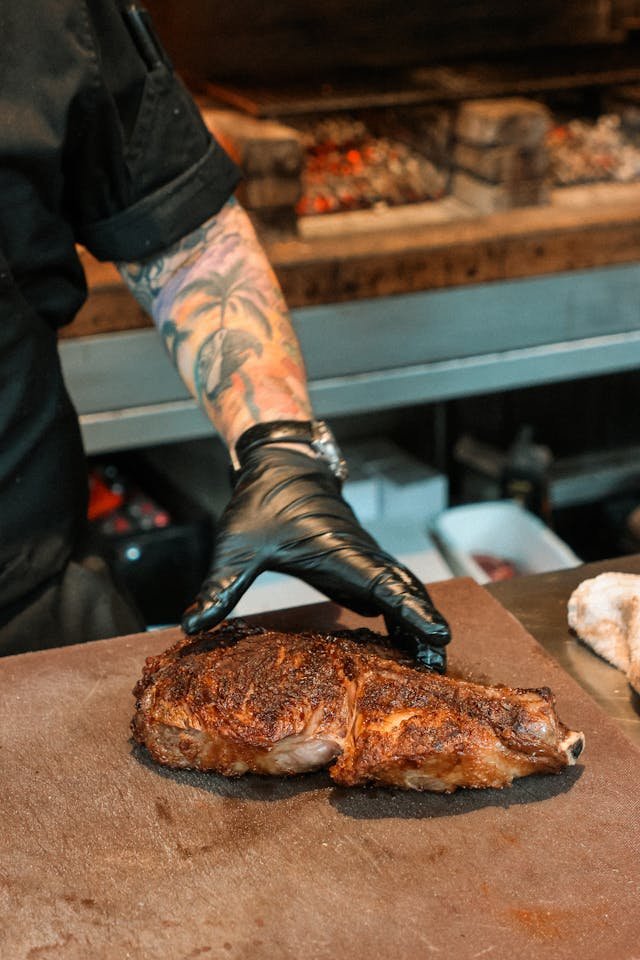
Ribeye steak, a cornerstone of high-end cuisine, originates from the rib area of a beef carcass, specifically from ribs six to twelve. Celebrated for its intricate marbling, tenderness, and robust flavor, the ribeye isn’t just a random cut; it is the result of expert butchery and the meticulous selection of meat, each step vital in maintaining the quality expected by patrons.
Skilled butchers carefully carve the ribeye from the rib primal, ensuring a consistent cut that retains its classic texture and fat distribution. This fat, commonly referred to as marbling, is essential to the ribeye’s famous tenderness and juiciness. Unlike leaner cuts, the ribeye’s internal fat melts beautifully during cooking, adding an incomparable richness to the flavor.
However, the process doesn’t conclude at the butcher’s block. Proper aging and storage are equally significant. Dry-aging is particularly favored, enhancing both flavor and tenderness by allowing natural enzymes to break down muscle fibers over several weeks, resulting in the signature nutty and deep flavor that steak aficionados cherish.
What Makes Ribeye Exceptional: Flavor and Texture
The ribeye is distinguished from other cuts by its magnificent combination of flavor and texture. The marbling—minute threads of fat within the muscle—ensures a melt-in-your-mouth tenderness while also enhancing the flavor profile, resulting in a truly indulgent dining experience.
Its flavor profile is unmatched, showcasing a rich beefiness balanced with a subtle sweetness contributed by the fat content. The ribeye cap, known as the spinalis dorsi, is particularly prized due to its juicy texture and robust flavor, contrasting slightly with the tender central eye of the ribeye.
Moreover, the ribeye’s versatility in cooking methods makes it a preferred choice for both chefs and food enthusiasts. Whether it’s grilled, seared on a hot skillet, or broiled, the ribeye consistently yields outstanding results. This adaptability, along with its powerful flavor and tender texture, cements its status as a premier steak variety.
Selecting the Ideal Ribeye: Key Considerations
Choosing a high-quality ribeye steak requires keen observation and an understanding of beef grading. The USDA categorizes beef into three main types: Prime, Choice, and Select. Prime grade ribeye, sourced from well-marbled cattle, represents the highest quality, characterized by exceptional tenderness and flavor.
When shopping for ribeye, prioritize marbling. Look for fine, evenly spaced fat throughout the steak. Avoid cuts with large globs of exterior fat, which can negatively impact the eating experience. Thickness is also a crucial factor; a cut that is at least one inch thick is ideal for achieving a perfect sear while also keeping the interior juicy.
For those wanting an extraordinary dining experience, investigate premium options such as Wagyu beef. Companies like destinationwagyu.com provide expertly cut ribeye steaks featuring stunning marbling and a buttery texture that rivals even the finest steakhouses, conveniently delivered to your door.
Getting Ribeye Ready for Cooking: Useful Techniques and Advice
Proper preparation is crucial for unlocking the potential of a ribeye steak. Before cooking, it’s important to let the steak reach room temperature. Resting the meat outside the fridge for 30 to 60 minutes helps ensure even cooking, preventing the outer layer from overcooking while the center remains cool.
Seasoning should be straightforward yet impactful. A sprinkle of coarse salt and freshly ground black pepper suffices to elevate the ribeye’s inherent flavors. For an additional flavor profile, some chefs opt for a garlic herb butter or a dry rub made with paprika, garlic powder, and cayenne.
When it comes to cooking, high heat is essential. Searing the steak at a high temperature triggers the Maillard reaction, leading to a golden-brown crust. This crust not only enhances texture but also amplifies the steak’s savory flavor. Many chefs also prefer the reverse-sear technique, where the steak is first slowly baked in the oven and then quickly seared at high heat, achieving a perfect outer crust with a tender inside.
Cooking Methods: Searing, Grilling, or Broiling?
The ribeye steak’s versatility shines through various cooking methods, each lending its own advantages while enhancing the steak’s unique flavor and texture.
Searing is perfect for those who appreciate a crispy exterior contrasted with a juicy medium-rare center. A heated cast-iron skillet is ideal for obtaining this result. Incorporating butter, garlic, and fresh herbs during cooking can further elevate the steak’s natural flavors.
Grilling introduces a smoky nuance that enhances the ribeye’s rich beef flavor. Charcoal grilling, in particular, adds a depth of flavor hard to replicate via other means. To prevent flare-ups from the melting fat, consider using a two-zone grilling approach: direct heat for searing followed by indirect heat to finish cooking.
Broiling provides a practical means to cook ribeye, particularly during chilly months when grilling outdoors isn’t an option. Ensuring the steak is placed a few inches from the broiler element creates a beautifully caramelized crust while keeping the juices locked in. Rotating the steak midway through the cooking process promotes even cooking.
Enjoying the Ribeye: Side Dishes and Presentation
A ribeye steak deserves careful pairings and thoughtful presentation to enhance the dining experience. Side options like creamy mashed potatoes, roasted asparagus, or a bright arugula salad offer balance and complement the richness of the steak. For a more indulgent side, consider truffle macaroni and cheese or caramelized Brussels sprouts.
Wine pairings can further elevate the ribeye experience. Full-bodied red wines such as Cabernet Sauvignon or Malbec harmonize beautifully with the steak’s robust flavor and fat content. For white wine enthusiasts, a buttery Chardonnay can also provide a delightful contrast.
Presentation is also vital. Allow the steak to rest for five to ten minutes after cooking to guarantee even juice distribution. Always slice against the grain for maximum tenderness and serve on a warmed plate. Adding a garnish of fresh rosemary or a drizzle of balsamic glaze adds both visual appeal and flavor.
The Ribeye’s Place in Culinary Heritage
Ribeye steak holds a prestigious position within culinary history, representing luxury and excellence. Its transformation from being a butcher’s hidden gem to a celebrated feature in top-tier steakhouses underlines its widespread appeal. The stature of the ribeye has ascended alongside the changing preferences of steak lovers, who are increasingly prioritizing quality and artisanal skill.
As culinary practices shift towards sustainable and ethical sourcing, the ribeye has become a beacon of mindful consumption. Respected producers emphasize humane treatment and premium feed, resulting in a high-quality product that meets modern consumer values. This evolution has elevated the ribeye beyond being just a meat cut to a culinary masterpiece.
Whether enjoyed at casual backyard gatherings or in prestigious gourmet restaurants, ribeye steak continues to fascinate connoisseurs. Its unmatched blend of flavor, tenderness, and cooking adaptability guarantees it remains a popular choice, celebrating the enduring artistry of steak preparation and enjoyment.



Add Your Comment Cancel reply