
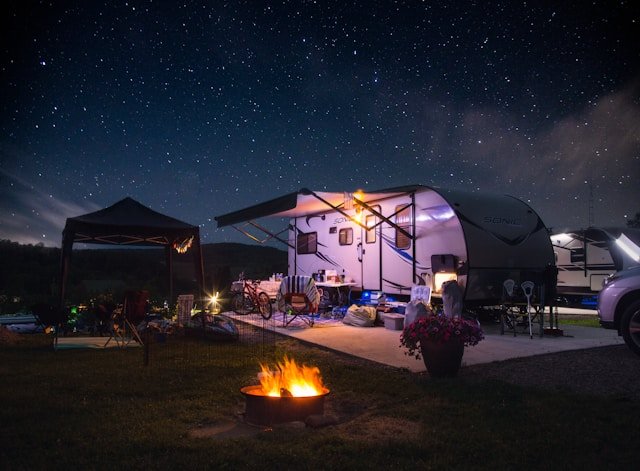
Residing in a mobile home redefines the daily experience of parenting, transforming routine life into a continuous adventure. Limited space necessitates significant adjustments in the ways children engage in play, sleep, and develop each day. Parents embracing this lifestyle must employ creativity and adaptability to navigate these transitions, and a deep understanding of the unique pace of life in a tiny home can help families flourish on their journeys.
The Experience of Compact Living with Young Children
When traveling with a young family, space becomes a precious commodity. Parents quickly realize that hitting the road entails a distinct mindset compared to life in a conventional home. Exploring insights from resources like Ty’s RV life blog can provide valuable perspectives on how others successfully manage daily routines. This site showcases authentic accounts of the benefits and challenges inherent in mobile family living. By learning from seasoned road families, newcomers can ease into their new lifestyle.
Adapting to life in a reduced space demands cooperation among family members. Each individual must learn to share a common area that serves multiple functions. While this configuration naturally fosters closeness, it also necessitates deliberate boundary-setting.
Adjusting to New Sleep Dynamics
Naptime is essential for maintaining harmony in the day-to-day life of young children. Creating a tranquil atmosphere within a compact living space requires careful planning. Bright summer sunlight can pose a significant challenge when trying to darken a small sleeping area. Many families find that installing heavy blackout curtains effectively mitigates this issue.
Research indicates that a structured daily routine enhances toddlers’ sense of security during travels. Having designated times for winding down minimizes behavioral challenges. Consistency becomes a grounding force amid ever-changing scenery.
Managing Noise in Compact Spaces
In a setup where the kitchen is just a few feet from the bedroom, sound can travel easily. Parents need to devise inventive approaches to maintain quiet during rest periods. White noise machines provide auditory barriers to mask the sounds of dishes clattering or quiet conversations.
As noted in another resource, having a dependable sound machine enables parents to remain in the common area while their child rests or during movie nights. Such technology prevents adults from feeling confined by the need to be silent, allowing them to maintain a semblance of normalcy after their little ones have gone to bed.
Rethinking Toy Storage
Standard toy boxes typically do not fit within the compact design of a modern RV. Prior to embarking on extensive travel, downsizing possessions becomes crucial. Parents must assess each item based on its size and functionality, with multi-purpose tools and outdoor gear taking precedence over large plastic toys.
- Regularly rotate toys by storing a portion of them in an external storage compartment.
- Select multifunctional items that promote educational play, such as stacking cups or building blocks.
- Opt for lightweight materials to avoid excessive weight in the vehicle.
- Encourage play that involves natural elements using materials found at campsites.
Limiting toys also enhances creativity in children. Kids learn to devise new games with simple everyday items. This minimalist mindset reduces clutter, simplifying clean-up efforts for parents.
Establishing Defined Play Areas
Creating designated areas for toy storage empowers children with a sense of ownership in their living environment. Some families repurpose low cabinets or under-bench zones as accessible spaces for kids. One mother transformed a lower kitchen drawer into a dedicated toy space, keeping items neatly organized and easily reachable.
By allocating specific spots for toys, families can prevent clutter from overtaking the living space. This practice instills a sense of responsibility in toddlers, teaching them where their belongings belong. Even a small corner can take on a vibrant play identity with the right arrangement.
Expanding Play Outdoors
For families on the road, the campground becomes the main playground. Elements like mud, grass, and gravel provide rich sensory experiences that indoor settings cannot offer. Venturing outside significantly expands the living area.
Nature serves as a dynamic play zone that continuously captivates young minds. Kids gather stones, observe insects, and climb small hills, aiding in the development of motor skills. This outdoor liberty is one of the greatest advantages of mobile living.
Adjusting to Significant Developmental Stages
Witnessing milestones like walking or crawling unfolds differently within a motorhome, as spatial limitations reshape interactions. Parents need to consistently babyproof their living space to accommodate ongoing developmental changes.
- Adding padding to sharp corners on custom woodwork protects against head injuries.
- Secure latches on screen doors are necessary to prevent adventurous toddlers from escaping.
- Temporary baby gates are essential for preventing falls on indoor steps.
- Safety locks on low appliances keep curious children away from dials and buttons.
Navigating these developmental milestones calls for heightened awareness from parents. With less space in a trailer, the risk of accidents increases when toddlers stumble. Implementing small adjustments keeps the environment safe, promoting confidence in exploration.
Embracing a mobile lifestyle with young children demands patience and adaptability. Although confined spaces present daily hurdles, the shared experiences born from this lifestyle are invaluable. By effectively managing noise, light, and routines, parents can cultivate a supportive atmosphere wherever their travels take them. A compact home on wheels offers a front-row seat to the enchanting journey of childhood.



Add Your Comment Cancel reply