
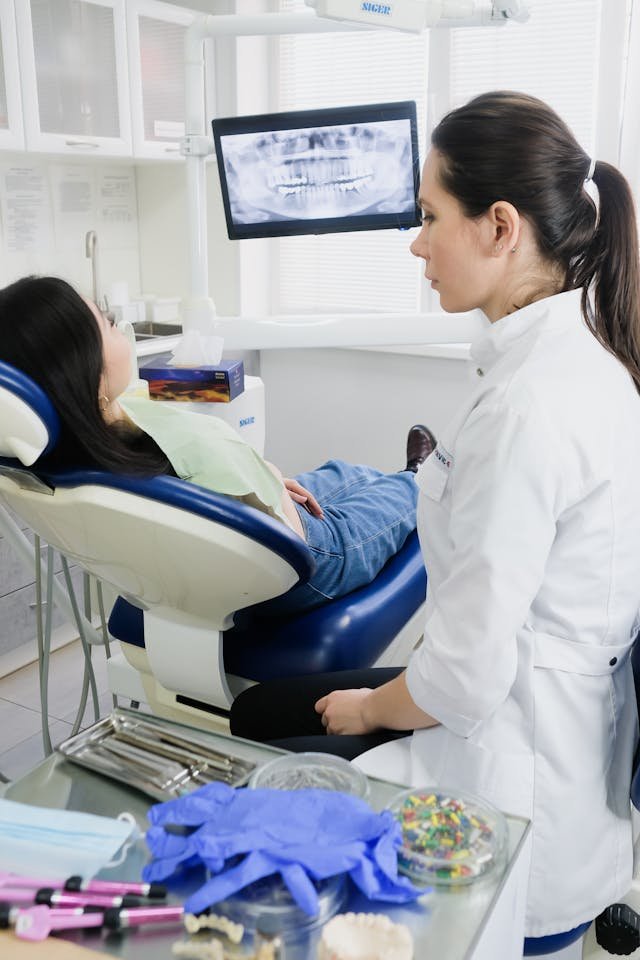
According to the American Association of Orthodontists, more than 4 million individuals in the United States are currently undergoing orthodontic treatment, with adults constituting almost 25% of patients. This significant change not only highlights shifting demographics but also indicates a transformative evolution in the orthodontic experience. The advent of modern orthodontic techniques has significantly mitigated the traditional challenges associated with getting braces—such as an unattractive metal appearance, persistent discomfort, and disruptions in eating habits.
The factors behind this trend are not only due to patient preferences but also genuine advancements in technology that resolve the typical pain points of traditional orthodontic methods. Innovations such as digital scanning have replaced traditional impressions, while clear aligners provide a nearly invisible means of correction, and new materials have led to faster treatment times with less discomfort. For those in Yorktown Heights considering orthodontic options, these breakthroughs result in care that fits smoothly into both professional and social scenarios while achieving outstanding results.
The evolution from the orthodontic experiences of the past to today’s practices is remarkable, helping to clarify why a growing number of individuals are prioritizing investments in their smiles.
Enhancing Comfort Through Modern Orthodontic Techniques
The key to comfortable orthodontic treatment lies in the precision afforded by digital technologies, reducing the uncertainty that previously complicated patient experiences. 3D digital scanning generates accurate replicas of a patient’s dental structure without the discomfort associated with traditional impressions, allowing orthodontists to create treatments with exact precision. This meticulous approach cuts down on the trial-and-error methods that often led to unnecessary discomfort in the past.
Heat-activated nickel-titanium wires are a further significant advancement in patient comfort. These modern wires, which respond to body heat, provide a gentle and continuous pressure that facilitates tooth movement efficiently and with reduced pain. Patients generally report experiencing much less discomfort during the initial days following adjustments, a time that historically posed challenges for many.
Notably, computer-aided treatment planning empowers orthodontists to foresee the entire treatment trajectory before any appliances are placed. This advanced software can anticipate tooth movements, spot potential complications, and optimize movement sequences to lower discomfort levels, resulting in fewer emergency appointments due to issues like loose brackets and a more natural feeling of progression for patients.
The application of low-force mechanics has also revolutionized the day-to-day experience of wearing braces. Nowadays, brackets are engineered to utilize lighter forces over extended periods, contrasting the older method of applying heavy pressure for short durations. This leads to a more comfortable and predictable tooth movement with fewer negative consequences, such as root resorption, and greater long-term stability. For busy professionals in Yorktown Heights, this means orthodontic care won’t hinder their daily activities like work presentations or client interactions.
Evaluating Orthodontic Options in Yorktown Heights
By understanding the comfort profiles of various treatment options, patients can make better-informed decisions that align with their lifestyles and aesthetic inclinations. Each method presents unique advantages affecting daily life, maintenance needs, and social interactions.
Pros and Cons of Traditional Metal Braces
Today’s metal braces are significantly more advanced than the clunky models of previous years. Self-ligating brackets do away with the elastic ties that could trap food and create discomfort, while smaller bracket profiles minimize irritation to soft tissues. The materials employed are also more biocompatible, lessening the risk of allergies and gum inflammation that sometimes occurred with older systems.
A major advantage of metal braces is their predictability and control in treatment. Being fixed means that progress continues without the need for patient compliance regarding wear times. This reliability often leads to shorter treatment durations, reducing the overall discomfort experienced. Additionally, they are more effective for addressing complex bite corrections, possibly eliminating the need for additional treatment phases.
However, the fixed nature of metal braces comes with certain lifestyle drawbacks. Patients must avoid specific foods throughout their treatment, adhere to intricate oral hygiene practices, and deal with the visible presence of metal brackets. For adults in business environments, these aesthetic factors can be significant considerations despite enhancements in design.
Clear Aligners: A Comfortable Alternative
Clear aligner therapy provides a solution to many lifestyle challenges associated with traditional braces, offering an almost invisible corrective option that can be removed for meals, brushing, and events. The ability to remove them completely eliminates food restrictions and allows for standard hygiene routines, reducing the risk of issues that can arise with fixed braces.
The comfort level with aligners varies greatly from braces. Instead of continuous pressure from wires, aligners apply force primarily during the initial days after switching to a new set. Many patients describe feeling a “tightness” rather than pain, which generally resolves within a couple of days. Additionally, the smooth plastic material prevents irritation to soft tissues, making aligners particularly suitable for those who rely on clear speech, like musicians and public speakers.
That said, the effectiveness of aligners hinges on patient adherence to wearing them for 20-22 hours daily. This requirement may cause anxiety for some individuals and could prove inconvenient for those with busy travel schedules or frequent business meals. Moreover, complex bite issues might necessitate traditional braces or auxiliary treatments, potentially prolonging treatment duration. For Yorktown Heights residents pursuing top-tier orthodontic solutions, understanding these nuances ensures realistic expectations and satisfactory outcomes.
The Orthodontic Treatment Journey: A Step-by-Step Overview
Contemporary orthodontic treatment follows a well-structured procedure to optimize comfort and minimize unexpected developments. The process begins with a comprehensive digital evaluation that extends beyond basic visual checks of prior eras. Advanced imaging assesses not only dental alignment but also root structure, bone density, and jaw relationships that are crucial for treatment planning. This detailed understanding prevents mid-treatment issues that historically contributed to discomfort and delays.
Treatment planning sessions now utilize 3D models that allow patients to visualize how their teeth will shift and what the final outcome will be. This level of clarity helps patients understand why certain adjustments may cause temporary discomfort and encourages mental preparation for each step. Many orthodontists now provide weekly projections, allowing patients to expect significant changes, which aids in planning around work and social commitments.
The active treatment phase varies greatly depending on the chosen method, but modern protocols prioritize consistent, gradual movement over aggressive techniques. For braces, this means applying lighter forces more frequently, while aligners are designed to encourage small, pleasant movements every week or two. Regular check-ups now emphasize monitoring progress against digital predictions, enabling real-time adjustments that enhance comfort and effectiveness.
Retention planning commences prior to the conclusion of active treatment with custom retainers shaped via the same digital technology used in the initial planning. This precision enhances comfort and adherence, markedly decreasing the chance of relapse that would necessitate retreatment. Up-to-date retention strategies also include regular check-ups using digital scans to catch minor adjustments before they escalate into significant concerns.
Throughout all stages, patients can leverage digital tools to monitor progress, receive care instructions, and stay connected with their orthodontic team. This support system aids in managing discomfort, aids motivation, and ensures top-notch outcomes while minimizing disruption to everyday life.
Navigating Side Effects and Promoting Oral Health
Common Side Effects to Anticipate
Being aware of typical orthodontic discomfort can help patients differentiate between expected sensations and issues that need professional attention. Initial soreness usually peaks within 24 to 48 hours following the placement of appliances or changes in aligners and typically eases within 3-5 days. This discomfort signifies that teeth are starting to shift and can be effectively managed using over-the-counter pain relief and softer foods.
Soft tissue irritation is common during the initial two weeks as the lips, cheeks, and tongue adapt to the appliances. Despite modern brackets reducing this issue, orthodontic wax still serves as an effective temporary remedy. Aligners may cause slight tongue irritation while speech patterns adjust, but this generally resolves within days.
Some individuals may notice temporary changes in their bite as teeth shift to new positions, possibly making chewing feel awkward or altering speech slightly. These fluctuations are normal aspects of the alignment process and should diminish as treatment progresses. Furthermore, increased tooth sensitivity might occur, especially with aligner use, but usually mitigates as teeth settle into their new positions.
With careful force management and regular assessments, modern orthodontics significantly lessen the risk of serious complications such as root resorption or extreme gum recession. Nevertheless, patients should report ongoing pain, loose brackets, or signs of infection promptly to avoid minor issues escalating into larger problems.
On a psychological front, adjusting to orthodontic treatment can be more challenging than the physical discomfort involved. Adults might feel self-conscious about their appearance or frustrated by dietary limitations. Engaging with online communities of adults undergoing orthodontic treatment and focusing on the long-term benefits can help maintain motivation during these temporary disruptions.
Prospective Innovations in Orthodontics
New technological advancements are set to enhance orthodontic treatment even further in the years ahead. Artificial intelligence will likely play a role in refining treatment planning, drawing insights from thousands of similar cases to forecast the most comfortable movement strategies for each patient. This could cut treatment durations by 20-30% while lessening discomfort through more accurate force applications.
Photobiomodulation therapy employs specific light wavelengths to hasten tooth movement and diminish inflammation, potentially slashing treatment time in half while enhancing patient comfort. Initial studies indicate that this non-invasive addition to conventional methods could significantly reduce the soreness associated with orthodontic adjustments.
3D-printed brackets tailored to the exact shape of each tooth could enhance both efficiency and comfort simultaneously. These custom devices may remove pressure points and irritation commonly caused when standard brackets fail to perfectly align with individual tooth anatomy. Coupled with eco-friendly materials, future orthodontic devices might seamlessly integrate with the mouth’s natural tissues.
Remote monitoring systems utilizing smartphone cameras and AI analytics could reduce the necessity for office visits while still upholding treatment quality. Patients might receive real-time feedback on their progress and comfort levels, with automatic updates to treatment plans based on their teeth’s responses. This capability could make orthodontic care more accessible to busy professionals while ensuring excellent results.
The real question is not whether these innovations will arrive, but how quickly they will be incorporated into standard practices—and whether patients will choose to wait for these comfort improvements or embrace the already advanced options available today that yield excellent outcomes with minimal interruption to their daily routines.

Add Your Comment Cancel reply