
As stated in the American Academy of Pediatric Dentistry’s latest guidelines for 2024, it is advised that children visit the dentist by one year of age or within six months of their first tooth’s emergence. Alarmingly, nearly 40% of children don’t visit a dentist until after they turn three years old. With pediatric dental practices increasingly prioritizing preventive care over remedial treatments, this delay can lead to significant long-term repercussions for children’s oral health.
This timing is crucial, particularly since early childhood caries is the most prevalent chronic illness in the pediatric population, impacting over 20% of children aged between two and five. Many parents are unaware that these formative years are key not only in establishing good oral habits but also in shaping a child’s overall perception of dental care, which can last throughout their lives. If a child’s initial experience at the dentist is traumatic, it can lead to lifelong anxiety about dental visits, whereas a positive experience tends to foster a comfort with preventive care.
Consider the common scenario: a two-year-old ultimately attends their first dental appointment only when an issue arises, such as pain or clear decay. By this point, the child links the dental office with discomfort, the parent feels regret over the delay, and what could have been a simple preventive visit becomes one focused on treatment, reinforcing negative feelings.
Fortunately, parents hold significant power in shaping their child’s first dental experience. From selecting an appropriate dentist to mentally preparing the child, these pre-visit choices can greatly influence whether the visit fosters healthy dental habits or leads to avoidance and anxiety.
The Significance of Early Dental Visits
The importance of the initial dental visit stems from its goal: to identify and address dental issues while they are still preventable. Infancy is a time of critical dental development, and consulting a pediatric dentist can help identify risk factors early.
Establishment of infant oral bacteria is something many parents are not aware of. The bacteria responsible for tooth decay can begin to inhabit a child’s mouth even before teeth appear, often transmitted through shared utensils or parents cleaning pacifiers with their saliva. Dentists are equipped to evaluate this bacterial environment and provide guidance on preventing harmful bacterial growth during early infancy.
Moreover, the pattern of primary tooth eruption typically adheres to a certain timeline, and a dentist can monitor this for developmental issues. If teeth emerge late, in atypical sequences, or show structural abnormalities, early intervention can mitigate complications that would be more complex to address later. For example, teeth erupting with deep grooves or atypical enamel formations may benefit from preventive sealants before decay has the chance to set in.
Assessment of oral habits during infancy and toddler years can also prevent future orthodontic challenges. Prolonged bottle usage, thumb sucking beyond three years old, and pacifier dependence beyond two years can all interfere with jaw growth and tooth alignment. A pediatric dentist can assist parents in recognizing which habits require modification and provide actionable timelines for making necessary changes without causing distress to the child.
Perhaps most importantly, these early visits set up what dental clinicians refer to as a “dental home”—an ongoing relationship with a provider who understands the child’s dental history, individualized risk factors, and behavior. Research indicates that children who have an established dental home receive more preventive care and experience fewer dental emergencies compared to those receiving fragmented care from different professionals.
Additionally, assessing fluoride exposure is key during early visits. Insufficient fluoride can lead to tooth decay, while excessive amounts during tooth development can cause fluorosis—resulting in permanent tooth discoloration. A pediatric dentist can evaluate the child’s total fluoride exposure from drinking water, toothpaste, and other sources, providing recommendations to ensure optimal protection without excess.
How to Mentally Prepare Your Child
Preparing your child for their first dental visit begins in the weeks leading up to the appointment. It’s less about detailing procedures and more about fostering a positive association with dental care. Young children do not require thorough explanations of what’s to come; instead, they need reassurance that promotes feelings of safety and curiosity, rather than anxiety.
Incorporate dental-related activities into everyday play. Let your child “inspect” their stuffed animals’ teeth, count teeth in picture books, or role-play as the dentist with dolls. This kind of familiarization occurs more naturally through repetition and play, rather than formal discussions about dental health. The objective is to make dental care feel like a normal and intriguing part of life instead of a daunting medical procedure.
The choice of words is critical in these discussions. Avoid terms that may induce fear, such as “needle,” “drill,” or “pain,” even while trying to provide reassurance that these experiences won’t occur. Young children are more likely to latch onto frightening words than the comforting message. To counteract this, use positive and specific language: “The dentist will count your teeth and make them shiny” or “We’re going to meet the dentist who helps keep smiles bright.”
Addressing Common Fears and Managing Behaviors
Common fears among toddlers often stem from separation from their parents, unfamiliar sensations in their mouths, and a lack of control rather than fear of actual pain. Understanding these underlying concerns allows parents to tackle the real apprehensions directly rather than rationalizing fears that may not yet exist.
Separation anxiety is most pronounced around the age when initial dental visits take place. Some practices allow parents to accompany their children during treatment, while others encourage independence from the dental team. Make sure to inquire about the office’s policy in advance so you can prepare your child appropriately. If separation is necessary, practicing short separations in safe settings prior to the visit can be beneficial.
The strange sensations from dental instruments can be alarming for children unfamiliar with them. You can help desensitize your child by gently touching their gums, lips, and cheeks during at-home care routines. Use a soft toothbrush to explore different areas in their mouth while explaining what you’re doing in a calm tone similar to how a dentist might speak.
Offering choices and a sense of control becomes especially important with toddlers. Whenever feasible, allow your child small choices during the appointment, such as whether they’d like to sit up or recline first, or whether to count their top or bottom teeth first. These small decisions can empower children, making them active participants rather than passive receivers of care.
Implementing Positive Reinforcement During Dental Visits
Effective positive reinforcement during dental visits necessitates a collaborative approach between parents and the dental staff, focusing on effort and cooperation rather than merely the results. For young children, the reinforcement must be immediate and authentic to have the desired effect.
Praise specific actions instead of general compliance. Rather than saying, “You were great,” opt for, “You kept your mouth open while Dr. Smith counted your teeth,” or “I noticed how still you kept your head during the cleaning.” This kind of specificity helps children recognize which behaviors they should replicate the next time.
Avoid using bribery as a means to gain cooperation (“If you behave, we’ll go get ice cream”). This implies that the dental visit is an unpleasant experience that necessitates a reward. Instead, plan a routine, enjoyable activity after the visit that isn’t contingent upon behavior. For example, you could say, “After we see the dentist, we’ll go to the playground as we planned.”
Often, the dental team’s praises can have more impact than parental encouragement during the visit itself. Various pediatric dental practices utilize stickers, certificates, or small toys to celebrate children’s participation, allowing them to feel proud of their experience. Allow the dental staff to take the lead in rewarding, while you concentrate on offering calm support.
What to Anticipate During the Initial Dental Visit
The first dental visit for an infant or toddler differs significantly from an adult’s appointment, focusing more on assessment and normalization than on thorough cleaning or treatment. Knowing what to expect helps parents discern when to be supportive and when to let the dental professionals take charge.
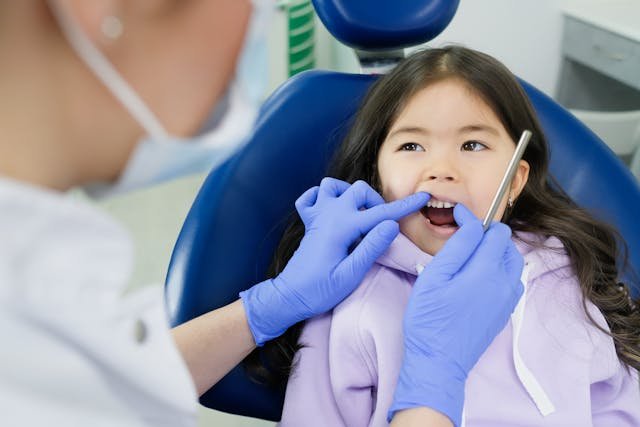
Typically, the appointment will kick off with a visual examination, which may take place while the child sits on a parent’s lap or in the dental chair, depending on their comfort level. The dentist will assess tooth development, check for early decay signs, and evaluate the alignment of the upper and lower teeth. This examination usually only lasts a few minutes and involves minimal contact with the child’s mouth.
The first visit may include gentle cleaning, but this typically involves wiping the teeth with a soft cloth or utilizing a soft toothbrush instead of the mechanical tools used with older children. The focus is on removing plaque while helping the child adjust to having their teeth touched by someone other than their parent.
Whether fluoride will be applied during the initial visit depends on the child’s age and risk evaluation. For very young children, this may involve applying a fluoride varnish using a small brush. This quick procedure hardens immediately and doesn’t necessitate rinsing. Some dental offices may choose to skip fluoride application altogether during the first visit to keep it straightforward and positive.
X-rays are seldom required for children under three without obvious issues or elevated decay risk. If they are deemed necessary, pediatric dental practices will typically use digital X-ray systems which greatly lower radiation exposure and usually provide immediate imaging that can be reviewed with parents right away.
The dentist will also spend considerable time educating parents on at-home care, dietary impacts on oral health, and what to expect regarding developmental milestones in the upcoming months. This informative exchange can often take longer than the actual examination itself, particularly for first-time parents who have questions about teething and suitable toothpaste options.
Many offices round off the visit with positive reinforcement activities— allowing the child to handle dental mirrors, providing a new toothbrush, or issuing a certificate to commemorate their initial visit. These activities conclude the appointment on a high note, fostering positive associations with the dental office.
How to Select the Best Dentist for Your Child
Choosing a pediatric dentist encompasses more than just finding someone who treats children; it involves finding a professional whose methods resonate with your parenting philosophy and your child’s personality. Selecting the right practitioner can determine whether a child looks forward to dental visits or develops a lasting anxiety.
Board certification in pediatric dentistry indicates further training beyond conventional dental school focused on child development, behavior management, and child-centric treatments. These specialists recognize that children’s dental needs differ from adults’ and possess training in mitigating dental apprehension and behavioral challenges.
The atmosphere in the office can provide immediate insights into the practice’s approach to pediatric care. Look for furniture suited for children, engaging decor, and elements designed to create a welcoming rather than clinical environment. Some practices feature play areas or interactive components that encourage comfort, while others maintain a more traditional clinical feel. Think about which environment would be the most appealing to your child’s personality.
Communication style is paramount in pediatric dentistry. During your consultation, observe how the dentist and staff interact with your child. Do they kneel to engage with the child at their level? Do they provide explanations in a language suitable for young children? Are they attentive to your child’s pace and comfort, or do they appear hurried? Effective pediatric dentists invest time in establishing rapport prior to any examination.
Inquire about the office’s approach to behavior management and parental involvement. Some offices advocate for parents to accompany their kids throughout procedures, while others encourage fostering independence by having parents stay in the waiting area. Discussing these policies upfront ensures compatibility with your expectations regarding your child’s care.
Understanding emergency protocols and after-hours care policies is crucial, particularly if your child is prone to dental injuries due to active play or sports. Knowing how the practice manages urgent situations and collaborates with local hospitals can offer peace of mind.
Practical Tips and Checklist for a Simplified Dental Visit
Developing an effective preparation strategy requires addressing both logistical and emotional aspects. Here are specific actions you can take in the days preceding the appointment to enhance the likelihood of a favorable outcome.
Plan appointments strategically in relation to your child’s natural energy patterns. Toddlers typically perform better during morning appointments when they are alert, as opposed to scheduling during typical nap times or directly following meals, which may leave them irritable or uncomfortable.
A home preparation checklist should commence several days before the visit:
- Read dental-themed storybooks together
- Practice opening their mouth wide and counting teeth while brushing
- Bring along a comfort item (like a small toy or blanket)
- Prepare a light, non-sugary snack for afterward
- Ensure your child has a good night’s sleep beforehand
Aim to arrive at the dental office about 15 minutes early to help your child adjust to the new setting without feeling rushed. Utilize this time to explore the waiting room, look at books or toys, and observe how other families are calmly managing their appointments.
During the dental visit, concentrate on maintaining your own calm and positive demeanor—children often pick up on their parent’s anxiety more readily than most parents realize. Avoid making promises about the experience (“It won’t hurt” or “It will be quick”) since you cannot control all outcomes. Instead, focus on what you can assure: “I’ll be right here with you” or “We’ll take our time.”
Post-visit plans should reinforce the positive nature of the experience without excessive celebration that suggests the appointment was something to endure. An enjoyable, regular activity afterward—like a trip to the park—communicates the message that dental visits are simply part of routine health care, rather than major events requiring special recognition.
The groundwork laid during this initial dental visit transcends that single appointment. Children who form a comfort with preventive dental care at an early stage are likely to maintain healthier oral hygiene for life, sidestepping the cycle of anxiety and aversion that affects many adults. By thoughtfully preparing and selecting the right dental home for your family, you’re not only ensuring a successful first visit but also fostering a lifetime of positive dental experiences.

Add Your Comment Cancel reply