
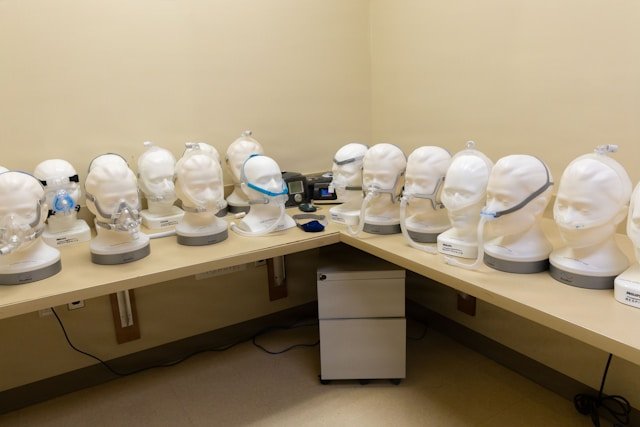
For years, continuous positive airway pressure (CPAP) machines have been the primary option for treating obstructive sleep apnea. Nonetheless, a notable percentage of patients discontinue their use. Studies reveal that nearly half of all users abandon their machines within the first year. Various factors contribute to this phenomenon, including discomfort, noise issues, and the burden of daily upkeep. Understanding these challenges enables patients and healthcare professionals to collaborate in discovering adherence-friendly alternatives.
Challenges Associated with Conventional Airway Pressure Devices
Before exploring alternatives to CPAP therapy, it’s important to understand the common challenges linked to standard devices:
Discomfort from Masks and Skin Issues
The mask is typically the first major concern among patients. Tight straps may create pressure sores and red marks, leading to discomfort. Many users report a sense of claustrophobia upon wearing the mask. Even after professional adjustments, some find themselves waking multiple times a night to reconfigure the headgear, disrupting their sleep cycle and undermining the treatment’s effectiveness.
Noise and Impact on Partners
Although newer models of machines are quieter than those from the past, a persistent hum still permeates the room. This background noise can disrupt the sleep of sensitive individuals or their partners sharing the bed. Additionally, air leaks can introduce distracting whistling sounds, further complicating the sleep environment.
Limitations in Lifestyle and Travel
Transporting a bulky CPAP machine can be troublesome during travel, involving security checks at airports, searching for power outlets, and needing distilled water at various destinations. Patients often seek alternatives that are portable and less dependent on electricity. Options such as oral appliances, positional therapy, and targeted surgical interventions now provide more convenient solutions that accommodate busy, on-the-go lifestyles.
Health Issues from Long-Term Usage
Consider the health effects that may arise from extended use:
Dryness of Mouth and Nasal Passages
The pressurized air tends to diminish moisture in the throat and nasal passages. Although using a heated humidifier can offer some relief, it does not always resolve the issue. Chronic dryness may lead to sore throats, nosebleeds, and an increased risk of sinus infections.
Aerophagia and Abdominal Discomfort
Some users inadvertently swallow air delivered by the device, resulting in aerophagia, which causes bloating, gas, and abdominal pain. Adjusting machine settings can sometimes alleviate these symptoms, but others may continue to experience discomfort regardless of calibration.
Challenges of Compliance and Insurance Policies
Insurance providers often impose strict compliance requirements. Patients must log a specified number of hours of usage over a set timeframe to maintain coverage for their CPAP equipment. Failing to meet these criteria can lead to a loss of benefits, transforming what should be a helpful treatment into an added stressor, prompting some individuals to explore less demanding alternatives.
Innovations in Non-Device Treatment Methods
Let’s examine recent advancements in non-device treatment options:
Oral Appliance Therapy
Custom-fitted dental devices are designed to advance the lower jaw and tongue, maintaining an open airway during sleep. These appliances are compact, silent, and easy to manage. Research in sleep medicine has verified their efficacy for managing mild to moderate cases of obstructive sleep apnea.
Positional Therapy
For some patients, sleep disturbances primarily occur when lying on their backs. Positional therapy can be an effective solution. Wearable sensors or specialized pillows encourage side sleeping, effectively reducing airway collapse without the need for mechanical devices.
Surgical Options
Surgical procedures such as uvulopalatopharyngoplasty or hypoglossal nerve stimulation target the anatomical structures causing airway blockage. While surgery introduces its own risks, it can provide lasting benefits for individuals who have exhausted other less invasive options.
The Importance of Weight Management
Excess weight, particularly around the neck and throat, constricts the airway and exacerbates symptoms of sleep apnea. Losing even a small proportion of body weight has been shown to alleviate the severity of the condition. In mild cases, targeted weight loss strategies have enabled some patients to forgo the use of any treatment devices entirely.
Final Thoughts
When patients discontinue traditional airway pressure therapy, their decision stems from real frustrations rather than neglecting medical guidance. Discomfort, travel difficulties, and ongoing side effects all contribute to this choice. The positive news is that a wider array of treatment options is now available, offering solutions for obstructive sleep apnea that are considerably less burdensome. Consulting a qualified sleep specialist is a wise initial step for those contemplating a change in approach, ensuring that their new treatment aligns with the severity and specifics of their condition.

Add Your Comment Cancel reply