
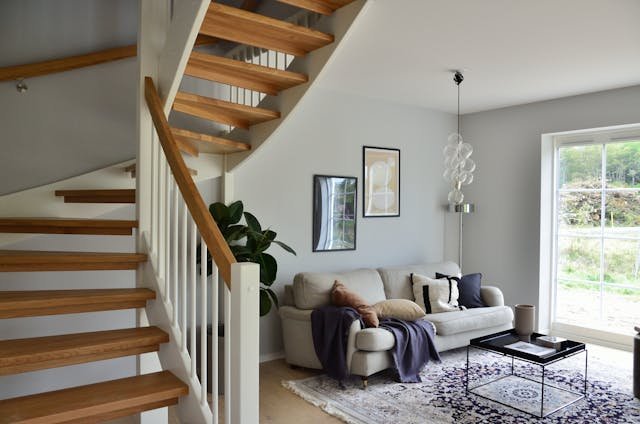
As children begin to explore their surroundings, parents often have concerns about their safety, particularly around stairs. Ensuring a child-proof environment begins with addressing staircases. Minor adjustments in the hall can lead to significant safety improvements, so it’s advisable to take proactive measures. By prioritizing straightforward modifications, you can transform a potentially hazardous area into a safer space for your little ones.
Understanding Fall Risks at Home
According to a recent health agency report, injuries from falls accounted for more than 248,000 hospital admissions. Incidents involving stairs represent 43% of all injury-related emergency visits this year. Since toddlers have a high center of gravity and are still mastering balance, it’s crucial to identify these hazards and enhance the safety of your living space.
A significant number of falls occur when children are rushing or overly fatigued. Parents can mitigate risks by ensuring that the staircase area is calm and organized, which reduces the likelihood of hurried movements.
Selecting Safe Flooring Options
While hardwood stairs can be aesthetically pleasing, they often pose a slipping hazard for small feet, especially when wearing socks. Installing a professionally fitted stair runner enhances grip and minimizes the risk of falls. The added cushioning can also help decrease the impact of accidental trips.
Stair runners come in multiple materials, each offering varying traction levels, and proper installation is vital for ongoing safety. Avoiding loose or bunched fabric will prevent new tripping hazards. Opting for high-quality materials ensures the runner remains secure over time.
Securing Staircase Entrances
Installing safety gates at both the top and bottom of the staircase serves as an essential safety measure. It’s important for parents to fasten these gates directly to walls or banisters with hardware. Relying on pressure-mounted gates at the top can be dangerous, as they may not hold under pressure.
Using hardware-mounted gates offers the stability necessary to withstand a child leaning or pushing against them. This setup effectively prevents adventurous toddlers from attempting to scale the stairs unsupervised. Young crawlers can quickly navigate several steps before they’re noticed. Regular checks ensure that these safety barriers remain stable and effective.
Establishing Safe Play Areas
For many families, delineating unsafe areas is a common practice. Utilizing safety gates or fences helps keep children away from steep drops. In spacious, open-concept homes with wide landings, mothers and fathers often invest in fencing to provide a designated play area that is entirely separate from staircases.
Choose fence models that are adult-friendly for easy access but complex enough to thwart curious kids. Consistency is key; make sure these barriers are used regularly to manage household traffic effectively.
Maintaining Your Home Boundaries
Creating designated play zones allows children to explore safely within specific parts of the home. However, maintaining these areas demands daily diligence. To ensure ongoing security, consider these simple practices:
- Inspect gate latches each morning to confirm they are secure
- Avoid gate styles with horizontal bars that could enable climbing
- Install fences before your child becomes mobile
Enhancing Visibility and Light
Shadows on stairs can cause children to misjudge the depth of each step. Installing bright lighting at the top and bottom can eliminate this confusion. For those nighttime trips to the bathroom, motion-sensor lights automatically illuminate the path when someone approaches the landing or hallway, removing the need to fumble for a switch in the dark.
Adding LED strips along the handrail or at the baseboards creates a gentle illumination that highlights the walking path. Well-lit spaces enhance visibility, making each step easier to see. Good lighting is a straightforward solution that improves safety for everyone in the home, particularly preventing accidents when visibility is low.
Clearing Clutter from Pathways
It’s common for items like toys and laundry baskets to accumulate on stairs throughout a busy day. Implement a rule that prohibits leaving anything on the stairs. A designated basket at the base can hold items waiting to relocate upstairs, which maintains a clear pathway and diminishes the risk of tripping.
Regularly inspecting the staircase can help identify and address potential hazards before they cause accidents. A few seconds spent moving a misplaced shoe or small object can greatly enhance safety. Small items like marbles or toy cars can pose significant risks on steps. Keeping the area tidy is one of the most effective strategies to avert serious accidents.
As children grow and gain mobility, the home environment must evolve to support their safety. Dedicating time to the correct installation of safety gates and the choice of flooring will yield positive results. Your home should be a haven where kids can explore without constant fear of accidents. Adopting these practical measures will help establish a safe environment for your entire family to enjoy each day.



Share Your Thoughts Cancel reply