
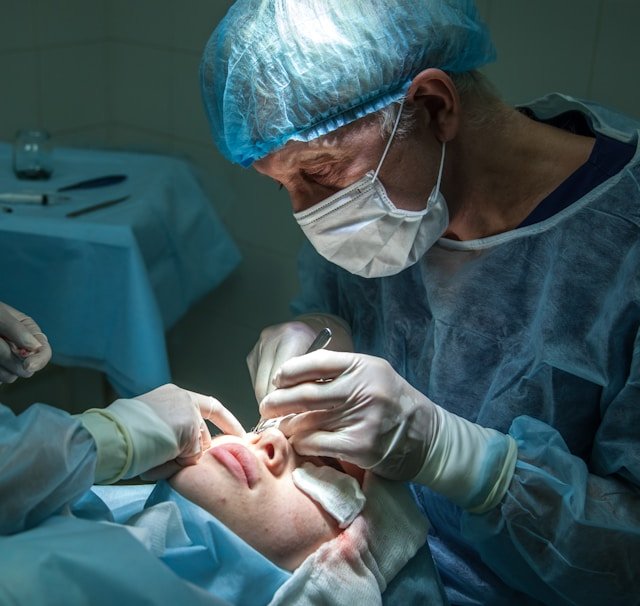
Recovering from upper eyelid surgery can often be straightforward in terms of understanding what happens; however, it can be perplexing in terms of the timing of these events. One moment you may notice increased swelling, and the next day it appears to lessen, making it challenging to discern what is typical during the recovery process.
This uncertainty often manifests in everyday scenarios. Morning routines may take longer, reflections in the mirror may feel overly analyzed, and commitments may shift based on how the eyes appear and feel. The discomfort isn’t the main concern; rather, it’s the unpredictability of how each stage of recovery is expected to unfold.
In a fast-paced city like Philadelphia, where life is continually moving, having a better understanding of the recovery journey can significantly ease the process. The healing timeline is not arbitrary; it follows a discernible pattern, even if it’s not always outlined in advance.
Outlined below are six vital phases that illustrate the typical progression of recovery from upper eyelid surgery.
- Initial Days: Adjusting to Swelling
Immediately following surgery, the most evident changes are the swelling and bruising around the eyes. This response results from the surgical adjustment of tissues and the body’s instinctive healing process.
During this unfamiliar phase, attention shifts to recognizing what the recovery should entail with proper care. In the case of upper blepharoplasty in Philadelphia, early recovery focuses on how the body responds rather than the final result.
The main focus is on observing the healing process. Practices like W Cosmetic Surgery monitor this phase by tracking skin reactions, changes in swelling, and personalized recovery trends. Although many of these alterations seem glaring up close, they are predominantly temporary.
- First Week: Noticeable Improvement
During the first week, many visible signs start to improve despite the ongoing healing. Bruising typically begins to fade, while the swelling decreases significantly each day.
People generally feel more comfortable engaging in light activities during this time, albeit with some awareness of the healing journey. Any stitches present are usually removed within this timeframe, providing a relief that marks a transition in how the eyelids feel.
This period tends to instill reassurance as the initial feelings of intensity lessen, leading to a perception of recovery that feels more routine.
- Weeks Two and Three: Gaining Social Confidence
By weeks two and three, most notable signs of surgery have markedly faded. There may be minor swelling or mild discoloration present, but often it is subtle enough that it may not be readily apparent to those around.
This phase typically allows individuals to feel more comfortable returning to social or work environments without drawing attention to their recent procedure. Makeup is often reintroduced during this time, which helps to camouflage any lingering signs of recovery. The shift during this phase is not just physical; it represents a return of confidence as the appearance normalizes.
- Residual Swelling May Last Longer
Following the initial stages of recovery, small amounts of swelling may continue to linger. While not always visible, these subtle areas can still affect the eyelids’ overall look and feel.
This phase is frequently underestimated, as most significant healing appears to have already occurred. However, the body continues to fine-tune the results over time, leading to enhanced definition and smoothness.
Recognizing this stage aids in setting more practical expectations. What you perceive at three weeks may not be the final outcome, despite the noticeable enhancements.
- Final Results Emerge Over Time
Upper eyelid surgery does not yield an immediate final result. Early improvements may be apparent, but the complete outcome develops as swelling gradually subsides and tissues shift into their final positions.
This gradual evolution can be subtle but is essential for obtaining a natural look. The eyelids start to appear more polished, resulting in an effect more harmonious with the rest of the face. Exercising patience is vital during this stage, as improvements quietly progress even when the healing seems finished.
- Individual Factors Affect Recovery
Each recovery journey is unique, even when procedures are similar. Aspects like skin quality, individual healing responses, and overall health can play significant roles in how quickly each phase unfolds.
Some may experience quicker improvements, while others might take longer to navigate specific stages. Ultimately, grasping the general recovery pattern and anticipating what each phase entails matters more than pinpointing the exact timeline. This comprehension frequently makes the process feel more feasible, despite slight variations along the way.
Conclusion
The recovery process from upper eyelid surgery cannot be defined by a single timeline. Instead, it is a progression through various stages, each characterized by distinct changes and expectations. Initially confusing moments typically become clearer as one learns how these stages interconnect.
From the initial swelling through to the gradual enhancement of results, each phase contributes to the overall outcome. While the process may require time, it adheres to a predictable pattern that can be navigated more easily with the right expectations. Viewing recovery this way transforms it from an uncertainty into a manageable journey, step by step.

Add Your Comment Cancel reply