
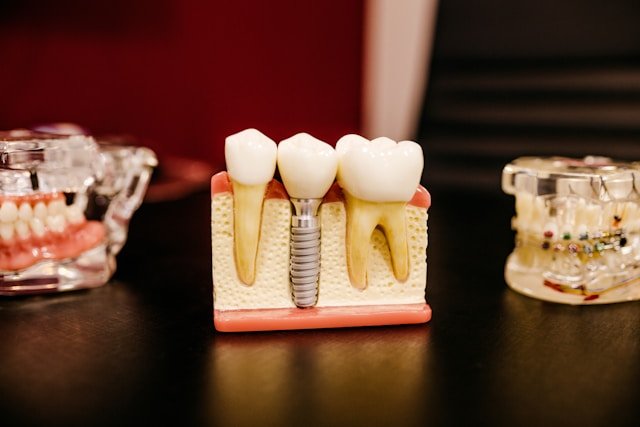
As outlined in the American Dental Association’s clinical guidelines for 2024, traditional full-mouth implant procedures may necessitate up to 10 distinct implants and several surgical procedures. In contrast, the All-on-4 technique provides similar stability and functionality with merely four optimally placed implants in a single day. With the evolution of dental technologies and a rising demand for quicker, more dependable results, this efficient method is reshaping how complete tooth loss is addressed by dental professionals.
The implications extend beyond mere convenience. Complete tooth loss affects nearly 40 million individuals in the United States, and traditional dentures often fail to restore adequate chewing capability or avert progressive jawbone deterioration that alters facial appearance over time. For those confronting these challenges, the distinction between a solution that simply fills gaps and one that sustains long-term oral health can significantly impact immediate life quality and future well-being.
Grasping the mechanics behind All-on-4 implants — and the myriad advantages they provide beyond cosmetic enhancement — helps clarify why this methodology has become integral in contemporary restorative dentistry.
What is the All-on-4 Dental Implant Procedure?
The All-on-4 process redefines standard implant placement by employing strategic angles and immediate loading techniques. Unlike conventional methods that require one implant for each lost tooth, this strategy utilizes four precisely positioned implants to support a complete arch of replacement teeth. The backward implants are tilted up to 45 degrees, enhancing their connection to existing bone and often negating the necessity for lengthy bone grafting procedures.
Here’s how the process is effectively simplified: through detailed 3D imaging and careful treatment planning, the dentist removes any remaining damaged teeth, places the four implants, and attaches a temporary prosthetic bridge, all within a single appointment. This immediate-loading approach allows patients to leave with functional teeth rather than enduring a prolonged period of healing before obtaining final restorations.
Typically, the procedure spans 2-4 hours for each arch, contingent on the complexity involved. The angled installation of the rear implants permits dentists to secure them into denser bone regions, frequently avoiding the need for sinus lifts or substantial bone grafts that traditional techniques might necessitate. This thoughtful positioning not only maximizes existing bone usage but also evenly distributes chewing pressure across the arch.
Most patients report manageable discomfort similar to what one might experience following a complex tooth extraction, with any swelling or tenderness typically resolving within days. The immediate restoration process alleviates one of the most substantial dilemmas patients encounter when contemplating full-mouth rehabilitations: an extended duration without teeth. After the initial healing process, the temporary bridge is exchanged for a custom-fitted prosthesis tailored for lasting use and optimal performance.
What Functional and Aesthetic Advantages Do All-on-4 Implants Offer?
How All-on-4 Implants Improve Aesthetics and Daily Life
The transformation ushered in by All-on-4 implants transcends merely regaining one’s teeth. They restore the vertical dimension of the face — the space between the nose and chin — which can collapse in the absence of natural teeth. This restoration counters the sunken look that often leads individuals to appear older, returning support to the lips while eliminating deep wrinkles around the mouth caused by bone loss.
From a functional perspective, the advantages are evident from the first meal. Conventional dentures typically restore only 20-30% of one’s natural biting force, making many foods difficult to eat. In contrast, All-on-4 implants, anchored securely within the jawbone, can restore nearly 90% of original chewing ability. Patients can once again savor foods they might have avoided for years, from crisp apples to tender steaks, without the worries tied to denture slippage or discomfort.
Furthermore, speech quality improves significantly. With dentures, slipping can lead to noise or imprecise articulation during conversations. The stability of All-on-4 restorations removes these issues, enabling natural tongue placement and confident communication. Many individuals report that their return to clear speech has enhanced their comfort in social and professional interactions.
The psychological impact is equally profound. Individuals who have struggled with inadequate dentures or visible gaps often adapt behaviors to hide their smiles or evade social situations. With Chicago’s All-on-4 dental implant services providing a permanent and stable solution, many patients describe a regained confidence they were unaware they had lost. These implants feel just like natural teeth – no messy adhesives, no nightly removal, and no worries about unsightly slips during critical moments.
How Do All-on-4 Implants Protect Jawbone and Facial Structure?
The jawbone preservation aspect represents one of the most crucial long-term benefits of All-on-4 implants. Once natural teeth are lost, the associated jawbone undergoes remodeling — effectively shrinking because it no longer receives stimulation from tooth roots. This degeneration continues throughout life with traditional dentures, which sit atop the gums and fail to provoke any response in the underlying bone.
All-on-4 implants disrupt this damaging cycle through osseointegration — the process whereby titanium implants bond with living bone. These implants act as artificial roots, transmitting the force of chewing into the jawbone as natural roots would. This mechanical loading signals the bone to preserve its density and structure, effectively halting the resorption process in the area surrounding the implant.
Clinical studies supporting this bone preservation are considerable. Research tracking patients for over a decade demonstrates that regions surrounding All-on-4 implants retain bone height and width, while adjacent areas lacking implant support continue to remodel adversely. This targeted preservation creates a notable difference in long-term facial aesthetics between implant-based solutions and others.
Consider the cascade of changes brought on by bone loss: as the jaw shrinks, the distance from the nose to chin diminishes, lips lose support and retract, and facial muscles sag without their bony foundation. The mouth corners may develop lasting creases, and the entire lower face appears compacted. Traditional dentures, despite numerous adjustments and relines, cannot prevent this evolution since they fail to address the underlying bone loss.
All-on-4 implants not only safeguard the treated regions but also maintain the crucial relationship between the upper and lower jaws. This stability influences everything from chewing functionality to sleep quality, as correctly aligned jaws can mitigate concerns such as bruxism and sleep apnea that sometimes arise from significant facial structure alterations.
Who is an Appropriate Candidate and How Successful Are All-on-4 Implants?
What Determines All-on-4 Patient Eligibility?
The quintessential All-on-4 candidate usually has lost most or all teeth from one or both arches and possesses adequate bone density for implant placement without extensive grafting. Unlike traditional implant methods, which necessitate optimal bone conditions, the angled placement approach allows dental professionals to accommodate moderate bone loss, often encountered by patients who have been edentulous for several years.
Age is seldom a barrier, with successful outcomes seen in individuals ranging from their 40s to their 90s. More critical are factors such as overall health, bone density, and any ailments that could hinder healing. While uncontrolled diabetes, current cancer treatments, or heavy smoking can complicate the osseointegration process, they do not necessarily exclude anyone if properly managed.
Evaluating bone quality via 3D imaging reveals whether available bone can adequately support the angled implants central to All-on-4’s efficacy. Those with significant bone loss in rear regions often emerge as ideal candidates, as angled implants can access high-quality bone areas that traditional straight implants may not reach. This adaptability explains why many patients who were once deemed unsuitable for conventional implants experience success with the All-on-4 method.
What Do Success Rates Indicate About the Longevity of All-on-4?
Clinical research spanning over two decades showcases impressive success rates for All-on-4 implants. Initial studies by Dr. Paulo Malo, who pioneered the technique, reveal 10-year survival rates exceeding 95% for the implants themselves and 94% for the associated prosthetic restorations. Such figures have been consistently echoed in multicenter studies across varied demographics and geographic locations.
The significance of these statistics is magnified when compared to alternative treatments. Traditional dentures typically require replacement after 5 to 7 years and often involve frequent adjustments and relines throughout their lifespan. In contrast, the 10-year data for All-on-4 restorations indicates that most patients need only routine maintenance and occasional minor adjustments, demonstrating a significant difference in long-term treatment commitments.
The biological success goes beyond mere survival rates. Patient satisfaction metrics consistently indicate improvements in life quality, encompassing comfort while eating, social confidence, and overall perception of oral health. When complications arise, they usually pertain to prosthetic adjustments rather than implant failures, with most manageable without compromising overall treatment efficacy.
Notably, as techniques mature, success rates are on the rise. Improvements in implant surface technology, prosthetic materials, and surgical methodologies have diminished early complications while enhancing long-term stability. This trend indicates that individuals opting for All-on-4 today are likely to enjoy even more favorable outcomes than those seen in established studies.
The data suggests a treatment strategy that not only meets immediate functional necessities but also lays the groundwork for decades of oral health stability — a significant factor given the rising life expectancy and the increasing demand for solutions that will serve patients well into their later years.


Add Your Comment Cancel reply