
According to the 2023 survey conducted by the American Dental Association, an impressive 74% of adults believe that an unattractive smile can negatively impact job opportunities. Coinciding with this belief, the field of cosmetic dentistry is experiencing remarkable growth, with an increase in procedures by 30% since 2020. This rise goes beyond mere aesthetics; it signifies a transformative understanding of how appearance relates to functionality and overall health.
Cosmetic dentistry has advanced significantly, moving beyond basic teeth whitening to tackle complex dental issues that affect appearance and oral health. Today, procedures can address concerns from bite alignment to speech clarity. As advancements in technology render techniques less invasive and more accessible, the boundary between cosmetic and functional improvements is increasingly blurred. For those contemplating cosmetic dental work, recognizing the psychological and physical benefits helps explain the growing investment in enhancing smiles as a route to improved health and self-assurance.
Enhancing Confidence and Well-Being Through Cosmetic Dentistry
The psychological effects of an enhanced smile go well beyond superficial changes. Individuals self-conscious about their teeth often unconsciously alter their behavior — laughing with their mouths covered, being less vocal in conversations, or avoiding photographs altogether. These adjustments can gradually create a pattern that holds them back in both personal and professional settings.
A study published in the Journal of Cosmetic Dentistry indicates that patients experience marked gains in social confidence shortly after undergoing cosmetic procedures. This change is not merely cosmetic; it grants them the liberty to express their true selves. Imagine someone who has spent years suppressing genuine laughter due to crooked or discolored teeth. Post-treatment, that individual may find themselves more inclined to communicate actively in discussions, take part in presentations, and join social gatherings they previously shied away from.
The positive outcomes ripple through various life aspects. Professional encounters often flourish as individuals exude greater confidence in interviews, client engagements, and networking scenarios. Interpersonal relationships thrive as individuals become more expressive instead of holding back due to insecurities about their smile. Even routine tasks, such as ordering food or asking a question in public, become far less daunting when one is no longer preoccupied with smile-related worries.
Patients are often surprised by the powerful psychological benefits they experience. Many express feeling “like themselves again” or uncover confidence they had unknowingly lost. This emotional rejuvenation can lead to an enhancement in oral hygiene practices, creating a beneficial cycle: improved appearance fosters better care, in turn sustaining and amplifying results over time.
Functional Benefits of Cosmetic Dentistry for Oral Health
While the boost in confidence is often highlighted, the functional advantages provided by cosmetic procedures can significantly improve one’s quality of life. Many treatments that enhance appearance also rectify underlying problems that can hinder chewing, speech, and long-term dental health.
Consider dental veneers. They do more than just create a beautiful smile; they can also rectify bite inconsistencies that lead to uneven wear on teeth. Improperly aligned teeth can place undue stress on some while leaving others inadequately utilized, which may result in tooth damage, jaw strain, and digestive complications from insufficient chewing. Veneers can help distribute bite pressure more uniformly, alleviating these issues while achieving an appealing aesthetic.
Improvements in teeth alignment through cosmetic treatments resolve functional concerns that many don’t associate with their oral health. Overcrowded or crooked teeth often create hard-to-clean areas, leading to plaque accumulation, gum disease, and potential tooth loss. Cosmetic alignment methods — whether utilizing clear aligners or thoughtful reshaping — enhance oral hygiene, lowering the likelihood of serious dental issues in the future.
Enhancing speech clarity is another benefit, particularly for those dealing with gaps in their front teeth or severely worn enamel. Such structural problems can lead to difficulties in pronunciation or produce lisps. Professional cosmetic interventions can address these challenges by restoring the appropriate tooth shape and position, enabling patients to articulate words more clearly and confidently.
Moreover, the structural support provided by cosmetic restorations is crucial. Dental implants, for example, prevent bone loss that occurs with the absence of tooth roots, thereby maintaining facial structure and averting a sunken appearance that can develop over time. Likewise, procedures for crown lengthening can expose healthier tooth structures, facilitating easier long-term maintenance.
Popular Cosmetic Dental Treatments and Their Advantages
Porcelain veneers and professional teeth whitening are among the most impactful cosmetic procedures available, with each addressing unique aesthetic requirements while providing separate functional benefits.
Veneers deliver a holistic smile makeover by covering the front of the teeth with thin, custom ceramic shells. They can address multiple concerns such as discoloration, chips, gaps, minor misalignments, and worn enamel all in one session. The porcelain is resistant to staining, allowing the enhancements to last for years with appropriate care. Besides their aesthetic benefits, veneers reinforce weak teeth and can help improve bite alignment when applied thoughtfully.
The meticulous nature of veneer crafting enables delicate adjustments that enhance facial harmony. Experienced cosmetic dentists evaluate lip line, facial dimensions, and gum structure to create veneers that appear natural while enhancing overall visual appeal. Many find it surprising how slight modifications in tooth length or shape can dramatically elevate their entire facial aesthetics.
While simpler, professional teeth whitening yields remarkable outcomes that encompass more than just color enhancement. Current whitening technologies can eliminate years of staining from coffee, wine, tobacco, and natural aging, often brightening teeth by 6-8 shades in a single session. The visual impact of significantly whiter teeth often inspires patients to adopt improved oral care routines and healthier dietary choices that benefit their ongoing dental health.
The standout advantage of professional whitening over over-the-counter options lies in tailored treatment and safety. Dentists can customize application strengths according to tooth sensitivity, past dental work, and the results desired. Utilizing custom-fitted trays ensures thorough coverage, effectively reducing the risk of gum irritation common with generic whitening strips. The controlled setting allows for immediate adjustments if sensitivity arises, enhancing comfort and effectiveness throughout the process.
Distinguishing Between Cosmetic and General Dentistry
Grasping the differences between cosmetic and general dentistry provides clarity on the unique benefits of each discipline. General dentistry is primarily concerned with diagnosing and treating diseases and restoring basic functionality, whereas cosmetic dentistry emphasizes enhancing appearance while maintaining or improving oral health.
The methodologies diverge significantly. General dentistry often adopts a problem-solving approach — addressing issues like cavities, gum disease, or damaged teeth to alleviate pain and restore function. In contrast, cosmetic dentistry employs a design-centric methodology, assessing how each tooth contributes to both smile and facial aesthetics. This doesn’t imply that cosmetic dentistry neglects health issues; rather, it interweaves considerations of both health and beauty from the outset.
The materials selected reflect these differing priorities. While a general dentist might suggest a durable silver amalgam filling for a back molar, a cosmetic dentist may opt for a tooth-colored composite or ceramic filling that offers similar strength while also prioritizing appearance. Both choices resolve the cavity, but the cosmetic approach places a greater emphasis on how the final result will look.
The approach to treatment planning varies significantly. General dental care typically addresses immediate issues as they appear. Conversely, cosmetic dentistry often requires comprehensive planning that outlines how various procedures will collaboratively achieve optimal results. Such planning might include teeth whitening prior to applying veneers for the best color match or adjusting gum levels before reshaping teeth.
Differences in training and expertise are also notable. Every dentist learns fundamental restorative methods, but cosmetic dentistry demands further education in smile design, facial aesthetics, and advanced materials. Numerous cosmetic dentists pursue ongoing education in relevant fields such as photography, color theory, and artistic design as these elements significantly inform their approach to treatment.
The contextual timelines also differ markedly. General dental concerns typically require immediate intervention to prevent complications. Cosmetic treatments, however, can be thoughtfully planned and executed over time, permitting patients to manage costs and adapt their treatment plans as desired.
Innovations and Future Directions in Cosmetic Dentistry
Recent advancements in digital technology revolutionize cosmetic dental treatments, enhancing their precision, predictability, and comfort. With digital smile design software, dentists can now provide patients with visualizations of their prospective smiles before treatment commences, alleviating uncertainties and ensuring satisfaction.
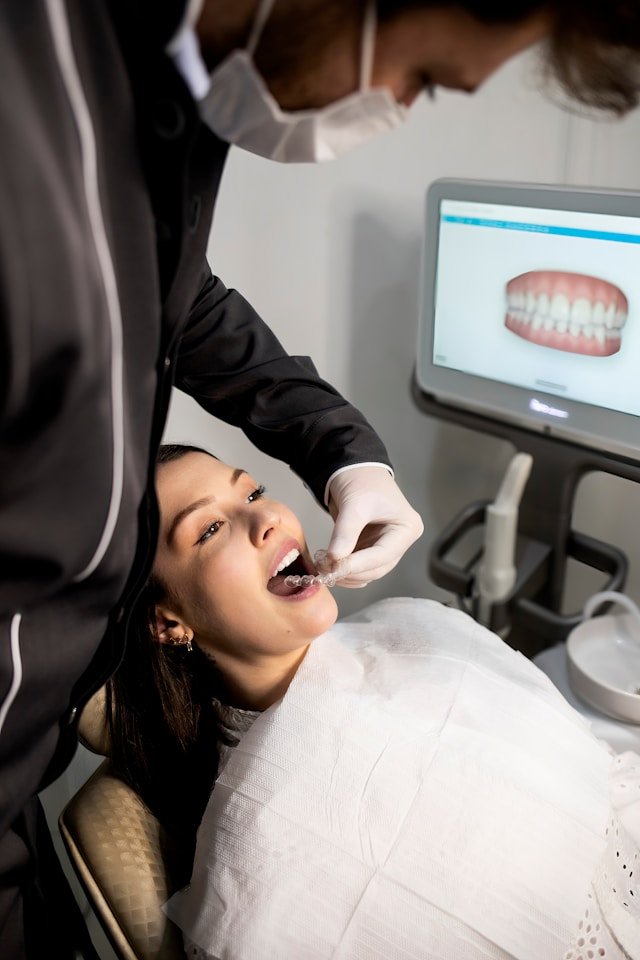
Intraoral scanners have replaced traditional impression molds for numerous procedures, creating accurate digital impressions that enhance the fit and aesthetic of crowns, veneers, and aligners. These high-tech scanners capture intricate details unattainable through conventional methods, resulting in restorations requiring fewer adjustments and yielding improved long-term outcomes.
Advancements in minimally invasive methods continue to evolve, with certain veneer applications now needing little to no alteration of teeth. Ultra-thin and no-prep veneers preserve more of the natural tooth structure, while still delivering phenomenal cosmetic results. This trend of conservation reflects the refinement of both materials and techniques, achieving superior outcomes with lesser intervention.
Artificial intelligence is poised to impact treatment planning as systems analyze countless successful cases to recommend optimal personalized treatment strategies. Although still in its infancy, AI-enhanced smile design aims to augment the artistic capabilities of skilled cosmetic dentists while ensuring consistent excellence across diverse practitioners.
The integration of 3D printing technologies in dental labs has expedited the creation of custom restorations, reducing the turnaround time from weeks to days. This advancement decreases the time patients must rely on temporary solutions and facilitates faster treatment completions.
In the future, biocompatible materials designed to support tooth health represent a promising frontier. Research initiatives focusing on remineralizing composites and antimicrobial coatings point to a time when cosmetic restorations not only enhance aesthetics but actively bolster the resilience and health of teeth over time. These innovations signal a future where the line separating cosmetic improvements from preventive care further dissipates, offering patients an advantageous blend of benefits from a solitary treatment approach.


Add Your Comment Cancel reply