
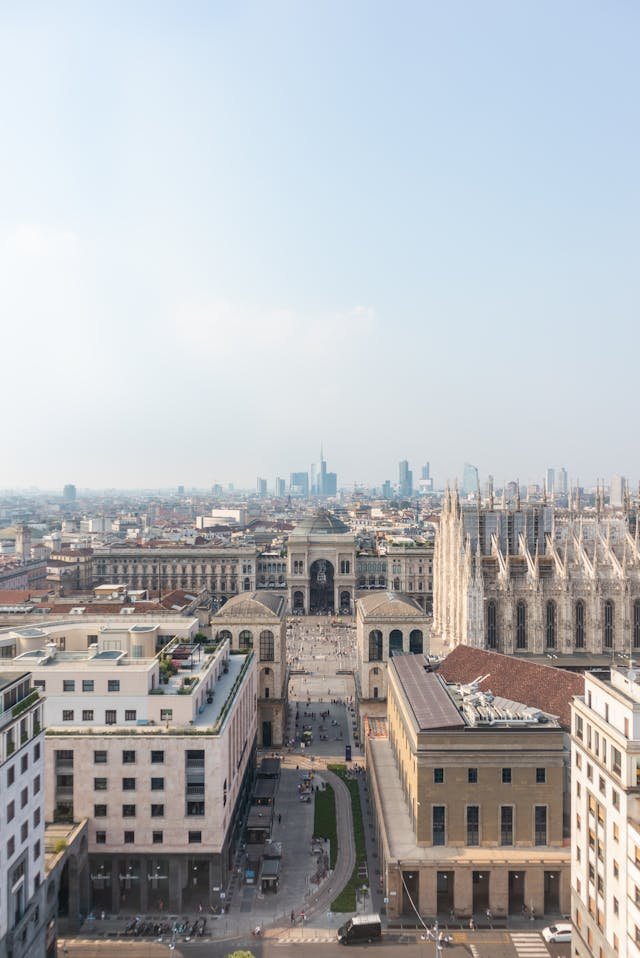
You have arrived in Milan, and before you stands the magnificent Duomo. In the surrounding square, you notice two types of visitors: some are attentively listening to guides, while others are busy consulting Google Maps or performing quick online searches. At this moment, you might wonder: Should I have opted for a guided tour?
However, the reality is that this decision should ideally be made in advance. Many of Milan’s must-see attractions have restricted entry times and can sell out weeks ahead of your visit. Understanding what each option entails — and determining when a guided tour is advantageous — is critical.
So, let’s delve deeper into the topic!
- The Importance of Access — Guided vs. Independent
In Milan, the main challenge isn’t distance but rather access. Take The Last Supper, for example. Entry is restricted to small groups every 15 minutes to protect the artwork. Tickets are limited and can be sold out weeks before your visit during the busy travel seasons. The rooftop terraces of the Duomo and Teatro alla Scala also operate on timed entry systems, particularly on weekends and throughout fashion weeks.
Many solo travelers often believe they’ll handle everything upon arrival. However, the reality of sold-out slots limits their flexibility significantly. Planning ahead is where the difference lies. Utilizing specialized platforms for booking, like Milan tickets & tours, allows travelers to secure their places at popular attractions and organize multiple engagements within a cohesive itinerary. This means you can avoid the hassle of visiting various websites and facing sold-out dates. Your first evening in Milan can be spent enjoying the city rather than checking ticket availability or reshuffling your plans.
Additionally, having everything planned in advance changes your perspective. When your key attractions are pre-booked, you can explore at a more leisurely pace. Your focus can shift from logistical concerns to simply enjoying the experience — which is what travel ought to be about.
- Depth vs. Discovery: What Type of Experience Do You Want?
Milan’s history isn’t always immediately apparent. Unlike Rome’s obvious ruins, Milan’s tales are often buried beneath its sophisticated exteriors. A knowledgeable guide can reveal the significance of what you’re witnessing.
For instance:
- The Duomo took almost six centuries to build.
- Napoleon was involved in its history.
- Da Vinci’s innovative techniques used in The Last Supper contributed to its deterioration.
With a guide, these intricate layers come to life, weaving together architecture, politics, and art into a single narrative. Solo visitors might learn these stories at a later time. Ultimately, it comes down to personal preference: do you enjoy calm self-discovery or do you prefer a guided narrative?
- Time, Energy, and Your Travel Style
If you’re spending multiple days in Milan, exploring independently can be fulfilling and relaxing. You might:
- Stroll through Brera at your own pace,
- Take a break at Parco Sempione, or
- Enjoy the ambiance in the Galleria when the sunlight filters through.
However, if you’re only in Milan for a day or two, having a structured plan becomes increasingly important. Guided tours can efficiently handle logistics by syncing entry times, routes, and historical context into one seamless adventure.
During busy seasons, like summer or fashion week, organized tours often lessen waiting times and uncertainties. In contrast, quieter periods may encourage easier, more spontaneous exploration. Ultimately, it depends on how you wish to allocate your energy: whether you prefer to manage the details yourself or prefer to have a guide facilitate the structure while you enjoy the experience.
- A Balanced Strategy Is Often the Most Effective
The most gratifying itineraries in Milan tend to strike a balance between extremes. Rather than solely opting for guided tours or exclusively wandering alone, many travelers find success by integrating both approaches. They might secure a guided visit for The Last Supper, where context and guaranteed entry are essential. Additionally, they’ll reserve tickets for the rooftop of the Duomo to sidestep potential availability issues. After securing their must-see experiences, they can slow their pace.
They can then explore Brera with no deadlines, linger in Parco Sempione without a watch, and stumble upon charming cafés in Navigli simply because they feel inviting.
This mixed method effectively addresses several challenges:
- You achieve guaranteed entry to sought-after attractions.
- You gain a deeper understanding of history, enhancing the overall experience.
- You remain adaptable while exploring vibrant neighborhoods.
Most importantly, your journey doesn’t become feels hurried or overly regimented. You’re not constantly chasing a group through crowded streets; instead, you relish your time without the worry of what to do next if you encounter sold-out venues.
Concluding Thoughts
Deciding between guided tours and independent exploration in Milan is a matter of strategy. If you arrive without prior planning during busy seasons, availability constraints may limit your choices. But when key attractions are reserved in advance, supported by organized services, your journey can proceed more seamlessly and purposefully.
Guided tours provide structure, historical context, and efficiency, while independent exploration offers personal freedom and flexibility. In a city as sophisticated as Milan, the ideal experience often merges both — thoughtful advance planning for key sights combined with leisurely exploration for the rest of your adventure.



Add Your Comment Cancel reply