
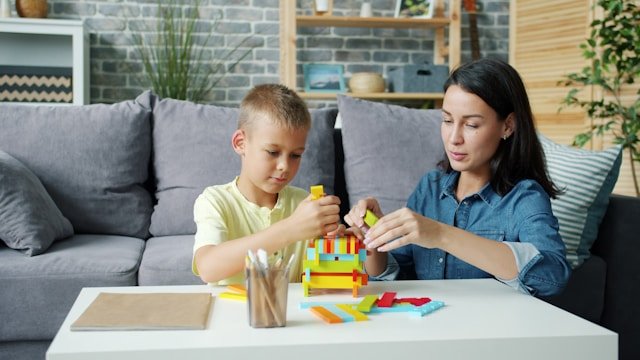
Children grow their social and communication skills at varying paces. Some may face more significant hurdles, particularly those with developmental variations. Applied Behavior Analysis (ABA) therapy provides systematic support for children aiming to improve these vital skills. This article delves into the ways ABA therapy cultivates these essential abilities, assisting families and caregivers in making well-informed decisions.
What is ABA Therapy?
Applied Behavior Analysis is a scientifically validated method for behavior modification and learning. ABA therapists assess each child’s unique needs to create tailored strategies. In places like Phoenix, ABA therapy underscores the power of positive reinforcement, segmenting complex skills into manageable learning stages. By repeatedly practicing these steps, children build their independence and confidence in various daily situations.
Enhancing Social Skills through Structured Activities
The foundation of forming relationships lies in social skills. Within ABA therapy, children gradually engage in activities designed to improve eye contact, sharing, and taking turns. Session activities often incorporate role-play and group games mimicking real-world situations, focusing on patience, cooperation, and understanding non-verbal cues. As they progress, children learn to initiate conversations and respond to their peers.
Encouraging Communication Development
Communication is not limited to spoken language. ABA therapy covers both verbal and non-verbal communication. Gesture exercises empower children to express their needs, desires, and emotions both physically and verbally. For those with speech challenges, visual aids and communication devices might be introduced. With consistent practice, children improve their ability to articulate thoughts and understand the expressions of others effectively.
Promoting Positive Behavioral Changes
The heart of ABA therapy lies in the use of positive reinforcement. Therapists encourage positive actions, such as greeting peers or using polite language. Children learn to associate these behaviors with favorable outcomes, encouraging them to repeat such actions. Over time, these behaviors become ingrained, fostering self-esteem and a desire to continue developing social and communication abilities.
Facilitating Interaction with Peers
Peer interaction serves as a vital component of learning. ABA therapy frequently incorporates group sessions, allowing children to develop skills in a nurturing environment. Through guided play and collaborative projects, they learn conflict resolution, empathy, and teamwork. This approach prepares children for school settings and community engagement. As they refine their skills, they become more adept at interacting with their peers.
Customizing Approaches for Individual Needs
Every child possesses unique strengths and challenges. ABA therapists personalize their programs according to a child’s specific abilities and interests, closely monitoring progress and adapting strategies as necessary. This tailored methodology ensures that children receive appropriate support throughout their journey. Families are also guided on how to reinforce skills at home, promoting consistency and enduring improvement.
Empowering Families and Caregivers
Engagement from families is critical to a child’s developmental success. ABA therapists provide training and resources to caregivers, enabling parents to strengthen positive behaviors and communication at home. Reinforcement across different settings bolsters a child’s confidence and aids in generalizing newly acquired skills. Collaborative efforts between therapists and families foster lasting advancements.
Evaluating Success and Celebrating Progress
ABA therapy relies on measurable goals and regular assessments to monitor progress. Therapists observe improvements in areas like conversation skills, eye contact, and adherence to instructions. Celebrating small victories creates a positive experience for both children and their families. Recognizing progress serves as motivation, encouraging persistence and further development.
Laying the Groundwork for Lifelong Social Success
Beyond early childhood, ABA therapy continues to provide numerous benefits. It aids in developing social and communication skills that prepare children for future challenges. These capabilities facilitate connections with peers, success in educational contexts, and active participation in their communities. Children equipped with these essential skills can navigate a range of situations and relationships as they grow.
Final Thoughts
Applied Behavior Analysis therapy equips children with practical tools to enhance their social and communication skills. The involvement of family members is pivotal, enabling children to gain the confidence necessary for successful interactions through structured activities and positive reinforcement. These skills serve as the foundation for learning, relationships, and personal growth throughout life. Providing thoughtful support today empowers children to flourish in every aspect of their future.



Add Your Comment Cancel reply