
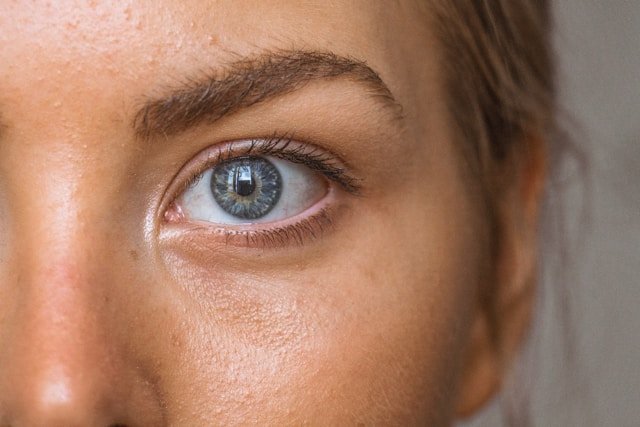
Thyroid eye disease typically progresses gradually rather than occurring abruptly. Being aware of the early indicators can significantly impact one’s health journey. Recognizing these signs sooner allows for timely medical intervention, which is crucial in preventing further complications related to both eye health and overall well-being.
Alterations in Eye Appearance
One of the initial signs can be a noticeable change in the appearance of the eyes. This may manifest as eyes appearing larger or bulging, which could develop over a span of years and may not be evident unless past photos are referenced. Friends or family members might be the first to point out these changes. Consulting a hyperhidrosis treatment specialist in NYC ensures expert guidance regarding both medical strategies and lifestyle adjustments to effectively manage symptoms.
Swelling Around the Eyes
A brief overview. Persistent redness or puffiness in the skin surrounding the eyelids can signal the onset of thyroid eye disease. This swelling can affect one eye or both, often worsening in the mornings. Such symptoms can be bothersome, leading individuals to rub their eyes or apply cold compresses for relief.
Eye Dryness and Grittiness
A more frequent alert sign is the emergence of dryness or a gritty sensation in the eyes. This feeling often resembles having sand in the eyes and can make blinking uncomfortable. Over-the-counter lubricating drops may offer temporary comfort, but the sensation is likely to persist, indicating an underlying issue.
Light Sensitivity
Sensitivity to light, known as photophobia, is another early symptom. Bright lighting or sunshine might become intolerable, causing squinting or an instinctive avoidance of bright environments. This sensitivity can disrupt daily activities such as reading, driving, or using computer screens.
Increased Tearing or Watery Eyes
Some individuals report an unusual increase in tearing without clear triggers, such as emotional responses or cold air. Excessive tearing can arise from irritation or an incomplete closure of the eyelids. This symptom may be confused with allergies but typically does not respond to standard allergy treatments.
Blurred or Double Vision
During the early phases of thyroid eye disease, the muscles responsible for eye movement can be affected. This involvement may result in double vision or blurriness, particularly when looking in different directions. Although these vision issues may be temporary at first, they often become more frequent as the condition advances.
Eye Pain or Discomfort
Experiencing pain in or around the eyes is another early warning symptom. This discomfort can worsen with eye movement or when focusing on nearby objects. Some individuals may describe it as a dull ache, while others experience sharp, intermittent pain.
A Sensation of Pressure
Individuals may feel as though their eyes are being “pushed from behind,” resulting in a sensation of pressure or fullness. Although this sensation may not be painful, it can create a sensation of tightness around the brow or forehead region, and it is often more noticeable when lying down or leaning forward.
Difficulty in Eye Movement
Before significant alignment issues arise, minor stiffness in eye movements may be detected. This restricted movement can lead to strain or fatigue, particularly if individuals frequently need to look around to gather information. This slight limitation may go unnoticed unless assessed during a comprehensive exam.
Eyelid Position Changes
Eyelids may begin to retract, exposing more of the sclera and creating an expression that may appear shocked or surprised. These changes typically unfold gradually and require careful observation to be detected.
When to Seek Medical Attention
Should you or someone else exhibit any of these initial symptoms, it is crucial to reach out to a healthcare provider. Timely care can avert complications, making early assessment essential. Early detection is pivotal for effective treatment, which can reduce the likelihood of permanent vision changes or discomfort.
Conclusion
Thyroid eye disease progresses gradually, with early warning signs often appearing subtle yet packed with significance. Keeping track of alterations in comfort and the appearance or function of your eyes allows for timely intervention. Proactive steps can protect vision, alleviate pain, and improve overall quality of life. Remaining attentive to these early but critical changes is key.


Add Your Comment Cancel reply