
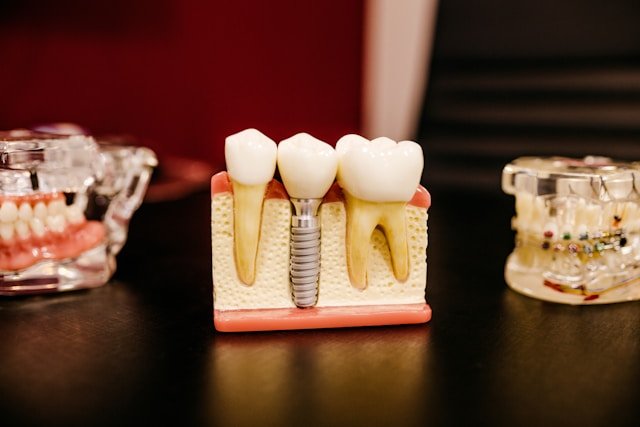
When Sarah Martinez underwent All-on-4 dental implant surgery in 2019, her dentist assured her that with proper maintenance, the implants could be effective for 20-25 years. Fast forward five years, and Sarah is part of a growing number of patients realizing that the reliability of these implants hinges not only on their quality but also on comprehending the procedure itself and the impact of post-operative choices on the functionality of these titanium fixtures over the years.
Since its advent, the All-on-4 technique has transformed full-arch rehabilitation, offering a swift solution that cuts down on the lengthy timelines associated with traditional implant methods. As patients reach their five- and ten-year milestones with these implants, distinct trends emerge that clarify why some last considerably longer than others. For individuals contemplating this significant investment, which typically costs between $15,000 to $30,000 for each arch, determining not only the effectiveness of the procedure but also its expected longevity and manageable contributing factors is essential.
This consideration involves grasping not only the surgical intervention itself but also the biological and lifestyle aspects that affect implant integration, the potential risks that could decrease their lifespan, and the maintenance practices that distinguish successful long-term outcomes from premature failures.
What Happens During the All-on-4 Implant Procedure?
The All-on-4 procedure compacts what is usually an extensive timeline into a single day; however, grasping this timeline is crucial to understanding why some implants achieve better integration than others. The sequence begins with detailed imaging—typically a 3D CT scan—to assess your jawbone density and determine the ideal angling for the four titanium posts that will anchor your new teeth.
On the day of the surgery, any remaining damaged teeth are initially extracted. The oral surgeon then places four implants per arch, strategically positioning the two frontal implants vertically and angling the rear two at approximately 45 degrees. This unique angled placement of the All-on-4 approach allows the surgeon to evade the upper jaw’s sinus cavities and the nerve channels in the lower jaw, often negating the need for bone grafts that can prolong the overall timeline.
The provision of a temporary prosthetic implant distinguishes All-on-4 from traditional setups, which typically necessitate a waiting period of three to six months prior to the placement of permanent teeth. The initial temporary bridge, crafted from lighter acrylic materials, serves to safeguard the healing implants while facilitating normal eating and speaking. That said, this phase imposes strict dietary limitations—soft foods only for the first six weeks—as applying excessive force can hinder the vital integration process taking place beneath the surface.
The switch to a permanent prosthesis occurs after a span of three to four months, once osseointegration, the biological bonding of titanium to bone, has reached a satisfactory stage. This enduring restoration, typically constructed from sturdier materials like zirconia or porcelain-fused-to-metal, stands as the final piece that patients will depend on for years. The quality of the integration phase is frequently more critical for long-term success than the surgery itself.
Which Factors Influence the Longevity of All-on-4 Implants?
The durability of all-on-4 implants is significantly influenced by factors that reveal themselves only after the completion of the procedure. While the titanium posts are intended for indefinite longevity, the biological and mechanical contexts surrounding them craft a nuanced environment where some implants endure for decades, whereas others may face issues within just a few years.
How Patient Health and Habits Affect Longevity
Your overall health significantly impacts the lifespan of your implants, more so than many patients may realize. For instance, diabetics typically experience slower healing and a heightened risk of infections, especially if blood sugar levels are not optimally managed during the initial healing period. The American Diabetes Association recommends maintaining HbA1c levels below 7% prior to elective oral surgeries, as elevated levels can markedly raise the likelihood of osseointegration problems.
Smoking represents the foremost modifiable risk to the enduring success of implants. Nicotine reduces blood flow to critical areas around the healing implants, thereby diminishing the oxygen and nutrient supply essential for bone bonding. Long-term studies on implant success rates have documented failure rates that are two to three times higher among smokers, with this disparity becoming increasingly evident over time. Even patients who cease smoking post-surgery tend to have better outcomes than their counterparts who continue the habit.
While age itself isn’t necessarily a barrier—many individuals in their seventies and eighties achieve commendable long-term results—changes in bone density that accompany aging, particularly in postmenopausal women, may influence initial implant stability. Patients suffering from osteoporosis may need extended integration periods and could benefit from medications that bolster bone formation throughout the recuperative phase.
Implant Materials and Surgical Technique Influence
The success of osseointegration is highly contingent on the accuracy of the surgical placement. Implants inserted too deeply, angled incorrectly, or positioned in areas with insufficient bone density can generate mechanical stress that leads to premature failure. The unique angled placement of posterior implants in All-on-4 demands specific expertise; when executed properly, it evenly distributes chewing forces, but even minor errors can create pressure points that progressively weaken the bond between the bone and implant.
Modern All-on-4 implants are designed with surface treatments that promote bone growth, usually employing roughened titanium surfaces or bioactive coatings. These enhancements are advantageous for patients only if primary stability— the immediate mechanical integration between implant and bone—is achieved during initial placement.
The design of the prosthetic also affects its lifespan. Full-arch replacements that evenly distribute bite pressures across all four implants tend to last longer than those leading to uneven stress distributions. This underscores the importance of the temporary phase, which allows the oral surgeon to detect any bite inconsistencies and adjust the permanent restoration accordingly.
What Common Complications Can Affect Implant Longevity?
Although All-on-4 implants boast a success rate of over 90% in various studies, when complications do occur, they often follow recognizable patterns that can drastically reduce implant longevity if left unaddressed. Acknowledging these potential issues aids in understanding why some patients benefit from decades of trouble-free functionality while others face interventions within just a few years.
Peri-implantitis poses a significant long-term risk to the sustainability of implants. This inflammatory condition mirrors periodontal disease surrounding natural teeth but tends to advance at a quicker pace. Unlike natural teeth, which are anchored by a periodontal ligament that helps contain infections, implants connect directly to the bone, offering bacteria a clear path to proliferate quickly along the titanium surface. Early warning signs include irritation around the implant site, an unpleasant taste, or slight loosening of the prosthetic—symptoms often overlooked as trivial issues.
The bacterial environment surrounding implants differs from that around natural teeth, rendering traditional oral hygiene practices less effective. Specific bacteria that thrive on titanium surfaces can settle in inadequately maintained implant areas within months, forming biofilms resistant to standard cleaning methods. Once established, peri-implantitis usually necessitates surgical intervention to remove infected tissue and decontaminate the implant surface.
Mechanical complications constitute another category of challenges that may jeopardize implant longevity. The screws connecting the prosthetic to the implants can become loose over time, especially in individuals who grind their teeth or have uneven bite patterns. Although screw loosening is not an immediate threat, it can create minute movements that damage the bond between the bone and the implant and permit bacterial infiltration at the junction.
Fractures in the prosthetic, while often repairable, can indicate underlying issues related to bite forces or implant positioning. Patients with recurrent fractures in their All-on-4 restoration might have biomechanical concerns that continue to place stress on the system until addressed. In these cases, it may necessitate modifications to the prosthetic design or even the insertion of additional implants for better force distribution.
Complete implant failure—total loss of osseointegration—occurs in around 5-10% of cases, usually within the first year. Late-stage failures, which happen post-successful integration, are typically prompted by trauma, significant infections, or changes in systemic health that compromise bone maintenance surrounding the implants. While losing an individual implant does not inherently compromise the entire All-on-4 structure, it can affect the distribution of forces and might require adjustments or replacements in the treatment plan.
What Long-Term Care Do All-on-4 Implants Require?
Maintaining All-on-4 implants demands a daily routine different from caring for natural teeth, utilizing specific tools and techniques that many patients might not learn until complications arise. Unlike natural teeth, which can manage occasional lapses in care, implants require consistent, thorough cleaning as the bacterial environment around titanium surfaces becomes problematic more swiftly than around natural tooth roots.
Water flossers have emerged as essential instruments for the upkeep of All-on-4 implants since standard floss is unable to adequately access the areas beneath the prosthetic bridge. The pulsating action of the water helps eliminate food particles and bacteria from hard-to-reach spaces that brushes alone can’t clean. Nevertheless, the water pressure must be rightly adjusted—too gentle won’t clear biofilm, while too intense can push bacteria deeper into the tissues surrounding the implants.
Antimicrobial mouth rinses play a crucial role in implant maintenance compared to natural tooth care. Chlorhexidine rinses, which are frequently prescribed for short-term use following surgery, may be suggested for extended durations for patients displaying early indications of peri-implant inflammation. Some dentists may advocate for prescription-strength fluoride rinses to help sustain the health of any remaining natural teeth, as a combination of natural and artificial dentition creates additional bacterial challenges.
Regular maintenance appointments require greater frequency and different techniques than conventional dental cleanings. The titanium surfaces need specialized tools—traditional metal scalers can scratch implant surfaces, leading to rough spots where bacteria readily accumulate. Most hygienists work with plastic or carbon fiber instruments specifically crafted for implant maintenance, often supplemented by ultrasonic devices that can erase biofilms without damaging the implant surface.
The prosthetic itself necessitates annual removal for comprehensive cleaning and inspection. These appointments allow your dental team to assess the status of the implants, confirm the tightness of any mechanical components, and professionally clean areas not typically reachable during standard visits. Additionally, during these evaluations, bite adjustments can be made to assure even force distribution across all implants.
Adopting lifestyle changes is equally vital for the longevity of your implants. Those who persist in consuming excessively hard foods—such as ice, nuts, and hard candies—expose both the prosthetics and the implants to mechanical stress that could lead to fractures or loosening over time. Similarly, teeth grinding necessitates interventions like night guards or other protective measures, as the forces involved can surpass the implant system’s design capabilities.
What Are The Alternatives To All-on-4 Implants? How Do They Compare?
When considering durability expectations, All-on-4 implants represent a middle ground between traditional removable dentures and standard implant-supported restorations. Understanding the aging process of these alternatives contextualizes the typical 15-25 year lifespan of All-on-4 systems.
Standard dentures typically necessitate replacement every five to seven years on average due to continuous remodeling and shrinkage of the underlying bone that occurs without tooth roots to maintain its structure. While the upfront cost is considerably lower—often ranging between $1,000 and $3,000 compared to $15,000 to $30,000 for All-on-4—the recurring replacement expenses and progressive bone loss over two decades make traditional dentures more costly for most patients.
Conventional implant methods, which involve placing six to eight implants per arch in contrast to the four of the All-on-4 system, usually outlast these implants because forces are distributed among a larger number of fixtures. However, they entail lengthier treatment timelines, often requiring bone grafts that can extend treatment by several months and increase the overall cost. More implants also mean more potential points of failure and an increased necessity for complicated maintenance routines.
Ultimately, for individuals contemplating All-on-4 implants, the question of longevity revolves around realistic expectations and an unwavering commitment to care. Patients who practice diligent oral hygiene, refrain from smoking, and adhere to professional care guidelines can reasonably anticipate their implants to remain functional well into their second decade. On the other hand, individuals who find it challenging to maintain consistent care or have underlying health issues affecting healing may discover that alternative treatments align more closely with their long-term requirements and capabilities.

Add Your Comment Cancel reply