
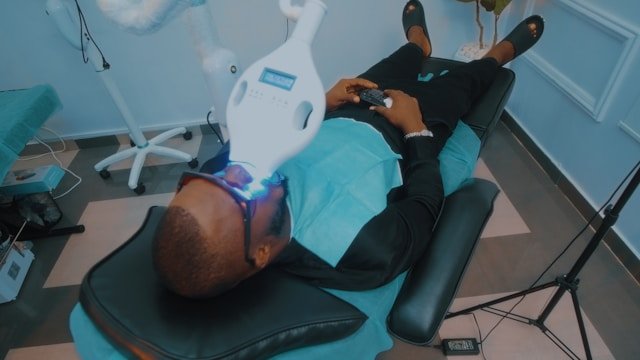
For numerous individuals, achieving that radiant and assured smile entails some discomfort. According to the 2023 patient survey data from the American Dental Association, around 78% of people who have tried teeth whitening report experiencing some degree of sensitivity during or following the procedure. The initial enthusiasm for brighter teeth often shifts to intense, shooting pains, making even a sip of cold water seem agonizing.
The teeth whitening market has seen remarkable growth in recent years, with professional treatments and at-home products now more readily available. However, despite improvements in whitening technologies, sensitivity remains a prevalent side effect and a key reason many individuals discontinue their whitening regimen midway. For the vast number of Americans striving for a brighter smile, understanding the causes of sensitivity, recognizing its symptoms, and, crucially, learning how to manage it effectively is vital for achieving their cosmetic aspirations without giving up.
The issue isn’t solely the pain itself, but also the uncertainty that surrounds it. Many people struggle to differentiate between the typical sensitivity associated with whitening and other dental problems, leading to unnecessary anxiety or inadequate responses. Gaining insight into the biological basis of this sensitivity and employing evidence-based strategies for both prevention and management can empower you throughout your whitening experience.
Understanding Teeth Whitening Sensitivity and Its Biological Basis
The chemical processes involved in teeth whitening create conditions conducive to sensitivity, and comprehending this phenomenon clarifies why some individuals experience greater discomfort than others. When whitening agents—mainly hydrogen peroxide or carbamide peroxide—act on teeth, they penetrate beyond the surface layer. These potent oxidizing substances seep through the microscopic pores in the enamel and reach the dentin layer beneath, where the nerve endings of your teeth reside.
Peroxide molecules are incredibly small, enabling them to invade enamel much like water permeates a sponge. Inside the tooth structure, these agents dismantle stain molecules through an oxidation reaction—essentially “bleaching” the discolored substances that give teeth a yellow or brown appearance. Nevertheless, this process also temporarily expands the dentinal tubules, tiny channels that connect the outer surface of the tooth to the nerve-containing pulp chamber inside.
To visualize this, imagine your teeth as a house filled with numerous tiny windows. Typically, these windows (dentinal tubules) possess natural barriers made of minerals and proteins. The whitening agents momentarily strip away these barriers, creating direct routes for external stimuli—be it hot beverages, cold air, or even sweet foods—to access the nerve endings that are ordinarily shielded. This results in the intense, electric-like sensations many people describe as “zingers.”
The level of sensitivity experienced varies significantly among individuals, primarily influenced by three critical factors: thickness of enamel, density of dentin, and existing tooth structure. Individuals with naturally thinner enamel or past dental restorations tend to face more sensitivity due to having less of a protective barrier between the whitening agent and the nerve. Additionally, those with a history of dental trauma, extensive work done on their teeth, or natural wear may find their exposed dentin renders them particularly susceptible to sensitivity triggered by whitening.
The strength of the whitening agents further intensifies this effect. Professional treatments using hydrogen peroxide concentrations ranging from 15-35% yield more significant results but also inflict greater temporary changes on tooth structure than over-the-counter products, which generally contain 3-10% concentrations.
Identifying Symptoms of Teeth Whitening Sensitivity and Its Duration
Common Indicators of Teeth Whitening Sensitivity
Determining whether you are experiencing whitening sensitivity involves recognizing its distinctive characteristics and the timing of its occurrence. The hallmark of this sensitivity is sharp, jabbing pain that arises immediately upon exposure to temperature shifts or specific foods. Unlike the dull pain associated with cavities or the persistent ache of an infection, whitening sensitivity typically surfaces as sudden yet brief “electric shock” sensations that dissipate when the triggering factor is removed.
These sensations typically manifest when consuming cold drinks, inhaling cold air, or indulging in acidic foods like citrus fruits. Some individuals may also detect increased sensitivity to sweet foods or even pressure from brushing. The discomfort usually arises during or right after the whitening treatment, distinguishing it from other dental sensations that tend to build up over time.
Patterns in location can offer further insights. Whitening sensitivity usually impacts multiple teeth at once, especially the front teeth where the enamel tends to be thinner. Conversely, if the sensitivity is confined to just one or two teeth, typically the back molars, it likely stems from existing dental complications rather than the whitening itself.
Duration and Distinguishing Temporary from Long-lasting Sensitivity
Sensitivity from whitening typically unfolds along a recognizable timeline, peaking within 24-48 hours post-treatment and tapering off over the next week. For professional treatments conducted in offices, sensitivity may commence during the procedure and reach its peak within the first day. In contrast, at-home treatments tend to induce a more gradual onset of sensitivity, often building over several days.
Fortunately, whitening sensitivity is generally a temporary issue. Research highlighted in the Journal of the American Dental Association confirms that 95% of individuals see complete resolution of their sensitivity within two weeks post-treatment. However, recovery times can differ widely based on treatment intensity, personal pain thresholds, and subsequent care management.
Prolonged or ongoing sensitivity extending beyond the two-week mark typically indicates existing dental problems exacerbated by the whitening process, or improper application of whitening products. This could mean excessive frequency of application, selecting concentrations above what can be tolerated, or neglecting recommended usage guidelines. If sensitivity lingers beyond the expected healing period, a professional assessment becomes crucial to identify underlying issues and guide future whitening procedures.
Distinguishing Whitening Sensitivity from Other Forms of Tooth Sensitivity
Recognizing these differences allows for suitable responses and prevents unwarranted anxieties. Whitening sensitivity exhibits several distinct traits that differentiate it from sensitivity arising from worn enamel, gum recession, or other dental issues.
To begin with, the timing is unique. Whitening sensitivity manifests abruptly and is closely linked to treatment application, while natural sensitivity due to enamel deterioration or exposed roots tends to develop gradually over a longer stretch of time. If you experience sudden tooth sensitivity for the first time immediately following the initiation of a whitening treatment, the connection is evident.
The triggering stimuli also vary significantly. Natural tooth sensitivity typically reacts mainly to temperature fluctuations—especially cold—and might be confined to certain teeth where enamel is compromised or roots are exposed. Whitening sensitivity, on the other hand, often includes a heightened sensitivity to sweet items and acidic foods in addition to temperature changes, impacting multiple teeth within the smile zone.
The duration offers another critical distinction. Natural sensitivity usually persists unless the underlying cause is remedied, whether through desensitizing interventions, dental treatments, or alterations in oral care practices. In contrast, whitening sensitivity tends to follow a predictable timeline, surfacing rapidly, peaking quickly, and subsiding on its own as the teeth return to normal.
For instance, if an individual experiences sharp pain from drinking iced coffee three days post-professional whitening, it points strongly to whitening-related sensitivity that should decrease over time. Conversely, an individual who has gradually felt increased sensitivity to cold foods over the past half-year likely needs professional evaluation, as this suggests underlying dental concerns that require attention, regardless of whitening treatment.
Some may also conflate whitening sensitivity with reactions to certain toothpaste ingredients, especially sodium lauryl sulfate or abrasive formulas. However, sensitivity from toothpaste usually presents as irritation or burning sensations in the gums and soft tissues rather than the sharp, nerve-related pain associated with whitening sensitivity.
Effective Measures for Preventing and Alleviating Whitening Sensitivity
Pre-Treatment Considerations and Product Selection
Proactive prevention starts long before you apply any whitening agents to your teeth. The most effective strategy is to prepare your teeth for the whitening process rather than simply banking on avoiding sensitivity altogether. Utilizing a desensitizing toothpaste containing potassium nitrate for two weeks ahead of starting whitening can significantly mitigate sensitivity by partially obstructing the previously mentioned dentinal tubules.
The selection of the whitening product is crucial for managing sensitivity. Professional treatments provide the benefit of controlled application and the option for immediate professional support if sensitivity escalates, albeit at the risk of higher concentrations that can heighten sensitivity. In contrast, at-home products with lower peroxide levels (3-10%) facilitate a slower whitening process with typically less severe sensitivity, even if the results take longer to achieve.
Timing strategies can greatly influence outcomes. Dental professionals often suggest initiating whitening treatments on a Thursday or Friday evening, allowing the weekend for peak sensitivity to diminish before resuming regular activities. Moreover, steering clear of whitening right before important events—such as job interviews, weddings, or vacations—helps prevent sensitivity from impacting these critical moments.
Opting for custom-fitted trays from dental clinics leads to better management of gel application and minimizes the chance of whitening agents contacting the gums, thereby reducing overall discomfort. Over-the-counter strips and trays frequently lead to uneven application and excess gel runoff, which could exacerbate both sensitivity and gum irritation.
Post-Whitening Recovery and Use of Desensitizing Solutions
Handling sensitivity once it arises calls for a comprehensive strategy that addresses both immediate comfort and long-term healing. Desensitizing toothpastes enriched with potassium nitrate or stannous fluoride become essential allies during the recovery phase, working best when used regularly rather than sporadically at the onset of pain.
Altering your diet during sensitivity episodes can greatly enhance comfort. Steering clear of extremely hot or cold drinks, acidic foods like citrus and tomatoes, and sugary snacks diminishes triggers that provoke pain. Opting for beverages at room temperature or lukewarm and utilizing straws can help avoid contact with the most sensitive front teeth.
Fluoride treatments, whether done professionally or through high-fluoride toothpaste, assist in remineralizing temporarily opened dentinal tubules, expediting recovery. Some individuals find relief with over-the-counter pain medication like ibuprofen, which helps minimize inflammation near nerve endings. However, topical pain relievers should be utilized sparingly, as excessive use can paradoxically heighten sensitivity.
Gentle oral hygiene practices are vital during recovery. Employing soft-bristled brushes, rinsing with lukewarm water, and avoiding vigorous brushing techniques can prevent aggravating already sensitive teeth. Additionally, some individuals may benefit from temporarily switching to a mouthwash designed for sensitivity that is devoid of alcohol, as it can further intensify sensitivity.
Insights from Research and Expert Opinions on Whitening Sensitivity Management
Recent dental research has pivoted toward understanding individual risk factors and formulating more finely tuned prevention strategies. A 2024 study published in the Journal of Clinical Dentistry revealed that individuals employing desensitizing agents both prior to and following whitening exhibited 60% less sensitivity compared to those who addressed sensitivity only after it manifested.
Emerging studies on variations in enamel thickness are uncovering the reasons why some people endure significant sensitivity while others experience minimal discomfort, even with identical treatments. Innovations in imaging technology now permit dentists to assess enamel thickness ahead of whitening, potentially leading to personalized treatment plans that reduce the risk of sensitivity while optimizing results.
Expert recommendations increasingly highlight the need for practical expectations and gradual strategies. The American Academy of Cosmetic Dentistry now endorses what they term “sensitivity-guided whitening”—a tailored approach that adjusts treatment intensity in response to individual reactions rather than adhering to rigid protocols. This may involve extending the intervals between treatments, reducing concentrations, or shortening application durations for individuals prone to sensitivity.
Recent advancements in whitening technologies aim to mitigate sensitivity while ensuring efficacy. Some newer professional systems integrate desensitizing components directly into the whitening gels, while others utilize light-activation methods to enhance results without necessitating higher concentrations of peroxide. Nonetheless, research on these converged approaches remains both ongoing and limited in terms of long-term effectiveness data.
Perhaps most crucially, current expert consensus underscores that experiencing sensitivity doesn’t invariably warrant ceasing whitening treatments entirely. With appropriate management techniques and possibly adjusted methods, most individuals can realize their desired outcomes while ensuring their comfort. The core principle lies in perceiving whitening as a manageable process rather than a one-size-fits-all endeavor.
By comprehending your teeth’s distinct response to whitening agents, you can make informed decisions regarding product use, timing, and care strategies. As advancements in whitening technology continue to evolve, the aim becomes to fulfill your aesthetic goals while being mindful of your body’s signals and preserving long-term oral health.

Add Your Comment Cancel reply