
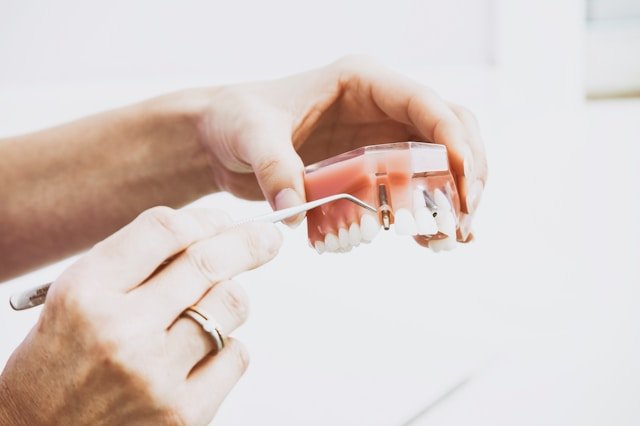
The American Dental Association’s 2024 statistics indicate that dental implants boast a success rate of over 95% when procedures are well-planned and executed. However, many patients misjudge the timeline, often expecting it to be shorter than it is. As dental technology progresses, with more professionals offering immediate placement options, the disparity between patient expectations and actual timelines continues to lead to misunderstandings about the process.
With around 3 million Americans receiving dental implants annually, a thorough understanding of the weekly progression of this procedure can alleviate unexpected challenges and enhance preparedness. The overall timeline encompasses not just the surgical event, but also the vital healing intervals, the expectation management during osseointegration, and the necessary planning for biological processes that dictate long-term implant efficacy. Whether pursuing an individual tooth replacement or multiple implants, grasping the sequence of events is crucial for adapting dietary habits, planning leave from work, and recognizing the implications of hastening the timeline on outcomes.
Here’s a comprehensive look at the dental implant journey, from consultation to final restoration, and the importance of each phase in establishing a lasting foundation.
Weekly Breakdown of the Dental Implant Process
The timeline for dental implants follows a discernible biological healing pattern rather than a set schedule for convenience. Typically, patients require between 3 to 6 months to complete the process, although this may vary due to personal factors or the need for additional procedures.
Weeks 1-2: Initial Consultation and Planning begins with detailed imaging, which often incorporates CT scans to assess bone density and anatomy. Your dentist will create a strategic implant placement plan using digital guides, and you will receive specific pre-operative guidance. In cases eligible for immediate placement, the extraction and implantation can be performed in the second week. In contrast, patients needing delayed placements will undergo extractions first, with healing planned before the implant surgery.
Weeks 3-4: Early Healing involves recovery of the soft tissues post-extraction or initial implant integration for those who had immediate placements. Patients are advised to adhere to modified diets and follow targeted oral hygiene practices. Swelling generally peaks around days 3 to 4 and gradually diminishes. Follow-up appointments during this period track healing status and address any emerging concerns.
Weeks 5-16: Osseointegration is a pivotal phase where the surrounding bone integrates with the implant. This natural process cannot be hastened, as it fundamentally affects the implant’s stability over the long term. Many patients resume normal eating habits during this period, although they should still avoid hard foods near the implant site.
Weeks 17-20: Abutment Placement and Impressions are conducted after confirming successful integration through clinical assessments, sometimes requiring imaging. This phase marks the beginning of the final restoration process with detailed impressions taken for crown creation.
Weeks 21-24: Final Restoration involves the placement of the crown and any necessary bite adjustments. While most patients conclude the entire procedure within six months, those with more complex cases involving bone grafting or multiple implants may experience a significantly extended timeline.
Crucial Surgical and Preparation Stages
A clear comprehension of the surgical steps involved is crucial, as each phase builds upon the last. Omitting steps or hurrying through recovery can undermine the foundational integrity.
The initial consultation extends beyond an oral examination. Advanced implant planning requires 3D imaging to evaluate bone volume, proximity to nerves and sinuses, and ideal implant location. Using digital treatment planning software, dentists can simulate implant placements before actual surgery, creating surgical guides that enhance accuracy and shorten procedure time. This planning phase usually spans 1-2 weeks, directly influencing the success of the surgery.
Timeline for Tooth Extraction and Bone Grafting
In cases where teeth must be removed prior to implant placement, healing from extractions can add an additional 6-12 weeks to the overall timeline. Complete soft tissue recovery and initial bone regeneration are essential before proceeding with implant surgery. Hurrying this phase elevates the risks of infection and potential implant failure.
Bone grafting can further extend this timeline but is often necessary for ensuring successful implant placement. If the jawbone lacks the requisite volume or density, grafting procedures may rebuild the foundation necessary for stable implants. Significant grafts might necessitate 4-6 months of healing before the implant surgery, while smaller grafts done concurrently with extraction can shorten this period to 8-12 weeks.
Implant Placement Surgery Overview
Placing the implants usually takes 1-2 hours for each implant, involving meticulous drilling and insertion into a prepped site. In cases with immediate placement, where sufficient healthy bone is present around the extraction socket, timelines can be considerably shortened—sometimes enabling crown placement within 8-12 weeks instead of the typical 4-6 months.
However, immediate placements hinge on favorable conditions: sufficient bone density, no infections, and primary stability achieved during surgery. If these requirements are not met, opting for delayed placements may yield more reliable results. The chosen surgical technique—whether it follows traditional drilling methods or innovative approaches like osteotomy preparation—also impacts healing times and success rates. Current practice often employs implants with specially engineered surfaces to facilitate faster osseointegration while ensuring long-term stability.
Influence of Healing and Recovery on the Timeline
Biological healing governs every facet of the implant timeline, and recognizing these natural processes elucidates why certain stages cannot be expedited. The integration of bone with the implant during osseointegration will ultimately determine the durability of your implant.
Osseointegration starts right after the implant is installed but stabilizes functionally over the course of 8-16 weeks. Throughout this period, specialized cells known as osteoblasts migrate to the implant surface to form new bone tissue that bonds with the titanium or zirconia material. This process requires adequate blood supply, appropriate loading forces, and the absence of infection or excessive movement.
The healing duration can vary considerably based on individual circumstances such as age, overall health, bone density, and lifestyle choices. Generally, younger individuals with healthy bones will experience faster osseointegration than older adults or those with conditions that negatively affect bone metabolism. For instance, smoking can significantly prolong healing times and increase risk of failure by limiting blood flow to the surgical area.
Patients must avoid disturbing the surgical site during the healing phase while maintaining appropriate oral hygiene in adjacent areas. Temporary restrictions on chewing tough foods are vital to protect the developing bone-implant interface from undue stress that could hinder recovery. Most patients may resume normal activities just a few days post-surgery, but dietary modifications may be necessary for several weeks.
Clinical evaluations at the 3-4 month mark assess the success of integration through stability checks and sometimes imaging studies. Successfully integrated implants will feel firmly anchored and exhibit no mobility when checked. Should integration fail, removal of the implant, additional healing time, and typically a bone graft will be necessary prior to re-attempting placement. This reiterates the importance for patients considering tooth replacement through implants to have realistic healing expectations from the outset.
The abutment placement signifies a shift from the healing stage to restoration. This minor procedure involves exposing the implant and fitting the connector that will support the final crown. Certain systems allow for abutment placement during the initial surgery, while others necessitate a subsequent procedure following osseointegration, which depends on the type of implant, bone quality, and aesthetic considerations.
Factors That May Alter the Dental Implant Timeline
Numerous patient-specific and clinical factors can significantly impact the standard implant timeline, at times nearly doubling or tripling the expected duration. Appreciating these elements is essential for managing realistic expectations and avoiding disappointment when additional time is needed.
Bone quality is a primary factor affecting the timeline. Strong, healthy bone provides immediate implant stability and facilitates quicker osseointegration, potentially shortening the process by 4-8 weeks. Conversely, suboptimal bone quality necessitates extended healing times and possibly further grafting procedures, which may prolong the timeline by several months. Bone density is assessed during the planning phase, and your dentist will adjust recommendations for treatment as required.
Overall health also plays a role in determining healing capacity and predictability of the timeline. Conditions like diabetes, osteoporosis, autoimmune disorders, and medications that affect bone metabolism can slow healing and increase the risk of complications. While patients with regulated diabetes may heal normally, poor blood sugar control can significantly hinder recovery and elevate infection risks. Similarly, osteoporosis medications such as bisphosphonates may necessitate special considerations and could extend healing periods.
Smoking is a significant, modifiable factor influencing both implant success and the timeline. Nicotine restricts blood flow to healing tissues, delays osseointegration, and raises infection risks. Research indicates that failure rates for implants are 2-3 times higher among smokers compared to non-smokers. For optimal outcomes, many practitioners advocate for cessation in the weeks leading up to and following surgery.
Surgical methods can also affect timing. Utilizing computer-guided implant surgery based on digital planning can streamline surgical duration and improve accuracy, thereby potentially expediting healing. Techniques that are minimally invasive and preserve more surrounding tissue may heal faster compared to traditional methods. However, immediate loading protocols—placing temporary crowns during surgery—require ideal circumstances and may not be appropriate for every patient.
The number and placement of implants similarly complicate the timeline. Replacing a single tooth in healthy bone presents a straightforward scenario with the most predictable outcome. In contrast, multiple implants, particularly in aesthetic regions or where grafts are necessary, involve intricate treatment planning and consequently longer timelines.
How Post-Procedure Care Promotes Implant Longevity
Investing in a thorough comprehension of your implant timeline yields significant dividends during the maintenance phase, where proper care can dictate whether your implants endure for years or necessitate early intervention. Post-operative care begins immediately after the surgery and evolves alongside the healing process.
The initial care after surgery emphasizes minimizing swelling, managing pain, and safeguarding the surgical site. Applying ice within the first 24-48 hours can reduce swelling, while prescribed medications will help alleviate discomfort and prevent infection. Patients will typically receive specific oral hygiene guidance to include gentle rinses with saltwater or prescribed mouth rinses, avoiding direct brushing of the surgical area for the first week.
As the healing progresses, maintaining oral hygiene becomes critical to long-term success. While the implants themselves are cavity-proof, the surrounding gum tissue and bone remain at risk for bacterial infections. Peri-implantitis—an inflammatory condition affecting the tissues supporting implants—is the leading long-term complication and can lead to implant failure if not addressed.
Effective maintenance of implants requires specialized tools beyond basic brushing. Interdental brushes, water flossers, and specific implant floss can effectively clean around abutments and crown margins where bacteria tend to accumulate. Many patients find antimicrobial mouth rinses particularly helpful during the early months post-restoration, as tissues adapt.
Professional maintenance involves routine hygiene visits using tools specially designed for implant surfaces. Traditional metal scalers can harm implant surfaces, so hygienists utilize plastic or carbon fiber instruments to eliminate plaque and calculus build-up. The frequency of professional cleanings may increase during the first year as healing completes and long-term maintenance practices are established.
Long-term success of the implant also hinges on managing mechanical factors such as teeth grinding or clenching that may overload the implant-bone interface. Night guards can protect against excessive forces during sleep, while periodic bite adjustments ensure even load distribution across various implants or between implants and natural teeth.
The time and effort you invest in ensuring proper implant placement lays the groundwork for decades of functionality, but ongoing care routines ultimately determine whether that potential is realized. Patients committed to diligent home care and regular professional maintenance often witness their implants lasting 20-30 years or more, making the initial time investment among the most beneficial choices for long-term oral health.

Add Your Comment Cancel reply